Winter doesn’t wait for a convenient time to test your heating system. One moment you’re comfortably cozy, and the next, you’re bundled in blankets wondering why your living room feels like a walk-in freezer. A malfunctioning furnace can turn a peaceful evening into a stressful scramble, especially when temperatures outside are dropping fast.
At Rick’s Affordable Heating, we’ve seen it all—from minor pilot light issues to full system breakdowns that leave families shivering. The good news? Most furnace problems give off warning signs long before they become full-blown emergencies. Knowing what to look for can save you money, protect your home, and keep your family safe and warm all season long.
This article walks through the most common furnace problems homeowners face, why they happen, and when it’s time to pick up the phone and call in an expert.
Why Does My Furnace Make Strange Noises?
A furnace humming quietly in the background is a sign of a system working as intended. But when that hum turns into banging, screeching, or rattling, something’s wrong.
Banging or popping sounds often point to a buildup of dirt on the burners, causing delayed ignition. Screeching noises typically mean a belt or motor bearing is wearing out. Rattling can indicate loose panels or, in more serious cases, a cracked heat exchanger—a problem that should never be ignored due to the risk of carbon monoxide leaks.
Ignoring these sounds doesn’t make them go away. It usually means the issue gets worse, and the repair bill grows along with it. Catching these noises early is one of the simplest ways to avoid a costly breakdown down the road.
What Causes Uneven Heating Throughout the House?
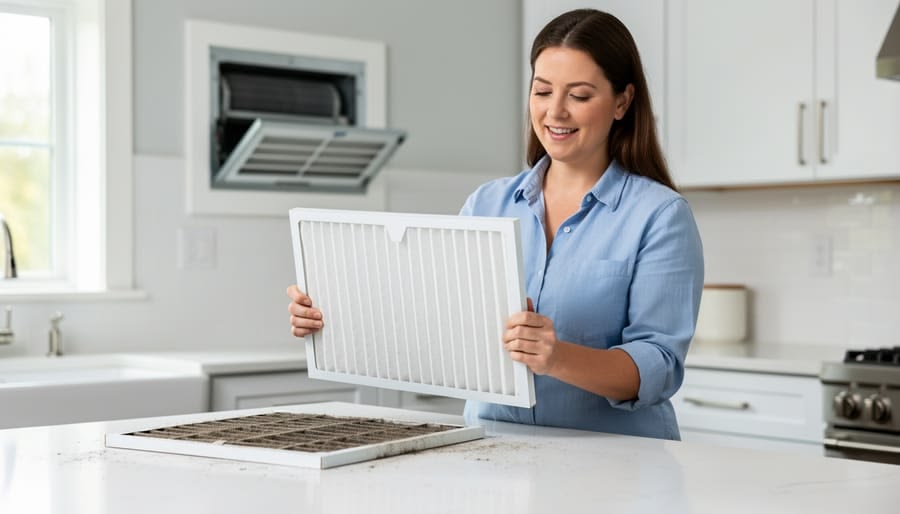
Few things are more frustrating than a toasty living room paired with an icy bedroom. Uneven heating usually points to one of a few culprits: a clogged air filter restricting airflow, leaky ductwork losing heat before it reaches certain rooms, or a thermostat that’s miscalibrated and no longer reading temperatures accurately.
Sometimes the fix is as simple as swapping out an old filter. Other times, the ductwork needs sealing, or the thermostat needs recalibrating or replacing altogether. Either way, uneven heating is rarely something that resolves on its own, and the longer it persists, the harder your system works to compensate, driving up energy bills in the process.
Why Is My Energy Bill Suddenly So High?
If your heating costs have crept up without any obvious explanation, your furnace could be working overtime to compensate for an underlying inefficiency. Dirty filters, worn-out components, and aging systems all force your furnace to burn more fuel or electricity to produce the same amount of heat.
A furnace nearing the end of its lifespan, typically 15 to 20 years, also tends to lose efficiency year over year. While replacement isn’t always necessary, a thorough inspection can identify whether a tune-up or a specific repair could restore your system’s performance and bring your bills back down to earth.
What Does It Mean When My Furnace Keeps Turning On and Off?
This frustrating cycle, known as short cycling, happens when a furnace repeatedly starts up and shuts down without completing a full heating cycle. It’s not just annoying, it’s also hard on the system. Short cycling accelerates wear on components and can leave parts of your home underheated.
Common causes include a clogged air filter, a malfunctioning thermostat, or an oversized furnace that heats your home too quickly and shuts off before properly circulating warm air. Pinpointing the exact cause requires a trained eye, since the wrong fix can leave the underlying problem untouched.
What Should I Do If My Furnace Won’t Turn On at All?
There’s nothing quite like flipping the thermostat and hearing silence. Before assuming the worst, check a few basics: Is the thermostat set to “heat” and the desired temperature? Has a circuit breaker tripped? Is the pilot light out, if you have an older gas furnace?
If these simple checks don’t solve the problem, the issue likely lies deeper within the system, whether it’s an ignition failure, a faulty flame sensor, or an electrical malfunction. These aren’t jobs for guesswork. Attempting a DIY fix on gas or electrical components can be dangerous and may void your furnace’s warranty.
When Is It Time to Call a Professional?
Reliable comfort starts with catching small issues before they turn into expensive emergencies, and that’s exactly what Furnace Repair from our team is built to deliver. While some maintenance tasks, like changing a filter, are simple enough for homeowners to handle, most furnace issues require a trained technician who can diagnose the root cause safely and accurately.
Rick’s Affordable Heating has spent years helping local families stay warm through the coldest months, without the inflated prices some larger companies charge. Our technicians arrive equipped to handle everything from minor repairs to complex system diagnostics, and we always explain what’s wrong and what it’ll cost before any work begins. No surprises, no upselling, just honest service from people who care about getting your home warm again.
Whether your furnace is making unfamiliar noises, cycling on and off, or has stopped working altogether, waiting rarely makes the problem smaller. Small issues left unresolved tend to snowball into bigger, costlier repairs, or worse, a full system failure in the middle of a cold snap.
Keep Your Home Warm This Winter
A well-maintained furnace isn’t just about comfort, it’s about safety, efficiency, and peace of mind. Recognizing the early warning signs of trouble puts you in control, allowing you to address small issues before they become major headaches.
If your furnace has been acting up, don’t wait for the first snowstorm to find out it can’t keep up. Reach out to Rick’s Affordable Heating today and let our experienced technicians get your system running smoothly, safely, and affordably, so you can stop worrying about the cold and start enjoying a warm, comfortable home.