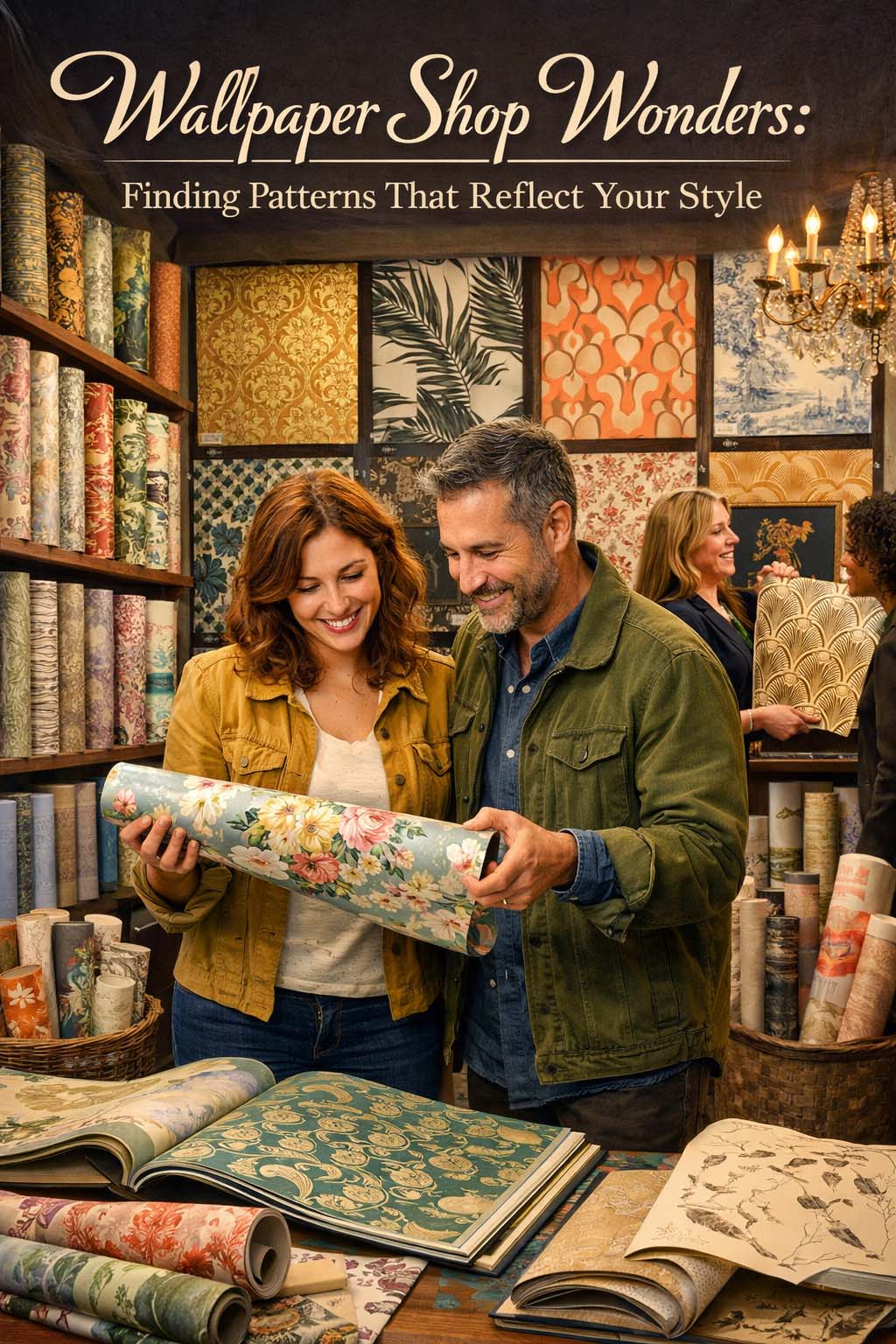
The design of a space profoundly influences the way people experience it. Walls, often considered the backdrop of interior design, can significantly enhance the overall ambiance of a room when treated with care and intention. Wallpaper, in particular, has emerged as a sophisticated tool for expressing personality, creating focal points, and adding texture or depth to interiors. Selecting the appropriate patterns and finishes is therefore essential for achieving a cohesive and aesthetically pleasing environment.
Understanding Personal Style
The first step in choosing wallpaper is to understand one’s personal style. Interior design preferences are often reflected in other aspects of life, including clothing, artwork, and even lifestyle choices. Individuals with a preference for minimalist aesthetics may gravitate toward subtle patterns, soft tones, and geometric designs, whereas those with a penchant for bold expression may favor vibrant colors, large-scale motifs, or intricate textures. Identifying these tendencies helps narrow the selection process, ensuring that the wallpaper complements rather than conflicts with existing décor.
Aligning Wallpaper with Room Function
Visiting a reputable wallpaper shop can provide a comprehensive view of available designs and textures, helping homeowners and designers envision possibilities for each space. The function of a room plays a critical role in determining the most suitable wallpaper pattern. Bedrooms benefit from soothing and subdued designs that promote relaxation. Muted colors, soft textures, and understated patterns—such as subtle stripes or light florals—can create a calm and restful environment.
In living areas, where social interaction and activity are more frequent, feature walls provide opportunities to incorporate striking patterns without overwhelming the space. Bold florals, geometric arrangements, or abstract motifs can serve as visual anchors, elevating the room’s character and reinforcing its style. Similarly, kitchens and dining areas can accommodate playful designs, including small-scale repeats or vintage-inspired patterns, which introduce charm without detracting from functionality.
Consideration of Color and Scale
Color selection is a critical aspect of wallpaper design. It not only influences mood but also affects spatial perception. Light-colored wallpapers can create a sense of openness in smaller rooms, while darker shades can convey intimacy and sophistication. Complementing the color palette of furniture, fixtures, and other design elements ensures visual harmony.
Scale is equally important. Large patterns can create dramatic impact but may overwhelm smaller spaces, whereas smaller patterns offer versatility and subtlety. Evaluating samples in the context of the intended space, rather than in isolation, is essential for ensuring proportionate and aesthetically balanced outcomes.
Incorporating Texture and Finish
Modern wallpaper offers a wide range of textures and finishes that enhance both appearance and tactile experience. Textured wallpapers, such as grasscloth, linen, or embossed designs, provide depth and dimension while maintaining a refined aesthetic. Metallic or reflective finishes can introduce visual interest and a sense of elegance, particularly in spaces designed to impress, such as entryways or formal dining rooms.
The selection of texture should consider both visual appeal and functional practicality. Textured surfaces can help conceal minor wall imperfections and contribute to the overall warmth and richness of a room, making them a strategic choice for areas intended for frequent use.
Balancing Trend and Timelessness
While contemporary trends in wallpaper offer creative inspiration, it is important to balance novelty with long-term appeal. Patterns should not only reflect current tastes but also endure over time. One strategy is to use classic, neutral designs as foundational elements while incorporating contemporary or bold patterns in accent areas. This approach allows for dynamic expression without compromising longevity or versatility.
Practical Considerations
Beyond aesthetics, practical considerations significantly influence wallpaper selection. Durability, maintenance, and installation method are key factors. High-traffic areas or households with children may require washable or vinyl-based wallpapers for ease of cleaning and longevity. Conversely, delicate designs may be better suited for low-traffic or formal spaces.
Installation options, including peel-and-stick or traditional paste-applied wallpapers, should be evaluated according to wall conditions, desired finish, and long-term goals. Additionally, lighting must be considered, as artificial and natural light can alter the perceived color and texture of the wallpaper. Testing samples on the actual wall before finalizing a choice is a recommended practice to ensure accuracy and satisfaction.
Conclusion
Wallpaper is a versatile and impactful design element capable of transforming ordinary spaces into visually compelling environments. Selecting the right pattern requires thoughtful consideration of personal style, room function, color, scale, texture, and practical requirements. By approaching the selection process with a structured and informed perspective, homeowners and designers alike can achieve spaces that are both visually appealing and functionally appropriate.
Ultimately, the successful integration of wallpaper into interior design demonstrates the ability to harmonize aesthetic vision with practical considerations, resulting in environments that are not only stylish but also reflective of individual taste and lifestyle.