Work is a big part of life. A large number of individuals spend the majority of their time at work. Due to this fact, the work place can influence the way individuals feel, reason and work. When employees are healthy and supported, they perform better and become happier. That is why wellbeing at work has turned out to be a significant issue to contemporary organisations.
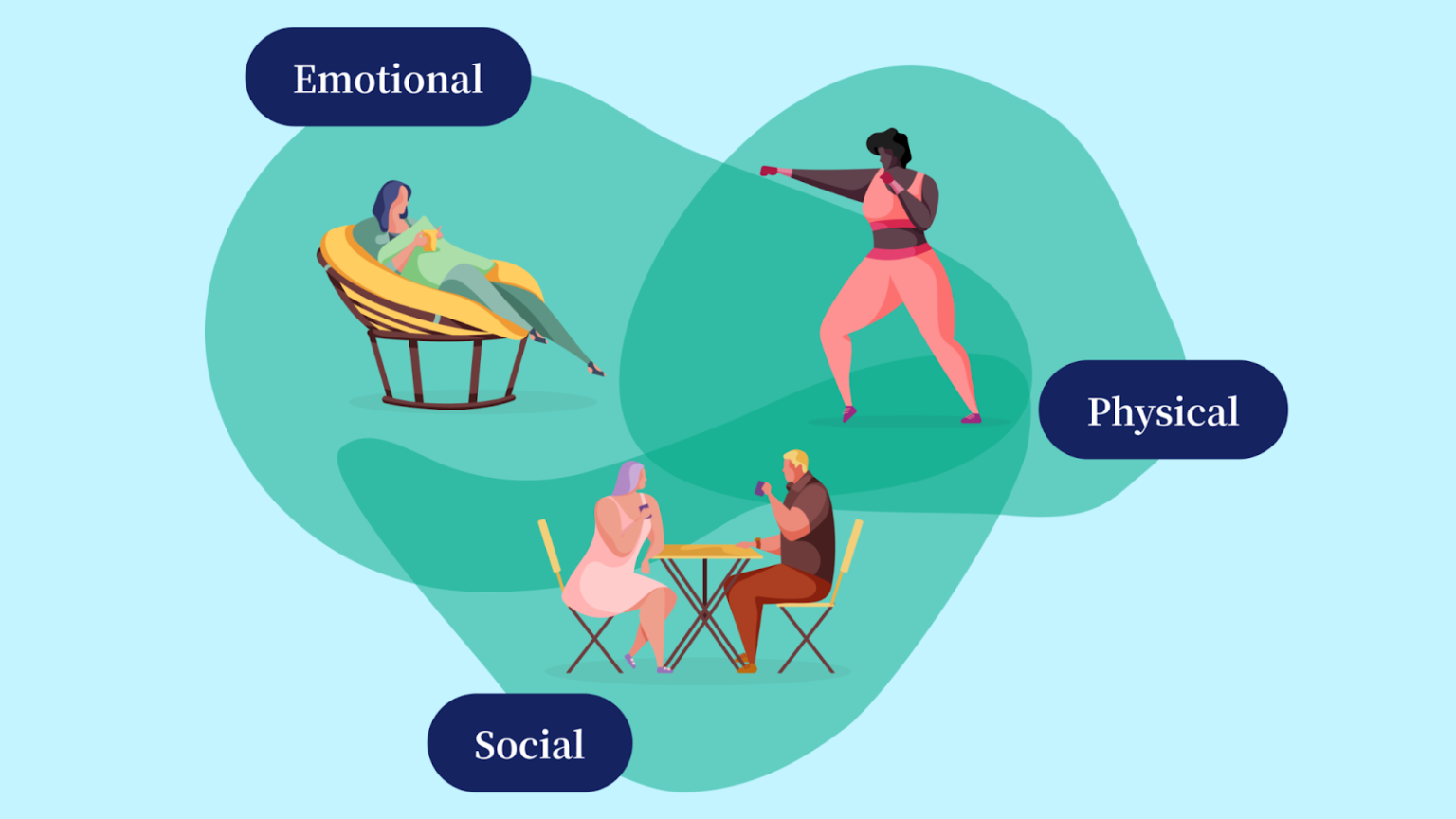
Wellbeing is not merely being healthy. It is concerned with the ability to make people healthy, balanced and motivated. A healthy workplace contributes to the wellbeing of employees in three distinct areas namely physical wellbeing, mental wellbeing, and emotional wellbeing. When the three areas are combined, both the employees and organisations are at an advantaged position.
The Why of Wellbeing at Work Matters
An employee is the core of any organisation. When they are feeling fatigued, stressed, and unassisted, they perform poorly. The level of productivity declines, errors rise and motivation goes away.
Conversely, employees feel appreciated when the companies invest in wellbeing at the workplace. They become engaged and more focused. They also develop closer relationships with their teams.
Healthy employees will have less sick leave and be more job satisfied. This brings about a good culture at the workplace where individuals would like to remain and develop.
Employee Health in the Workplace
Physical well-being can be defined as the body’s health. Most jobs involve long hours of sitting, typing, or working at a desk. In the long run, it may cause fatigue, backache, and other health problems.
Employers can promote physical well-being in several easy ways. Daily comfort can be enhanced by the use of comfortable chairs, adaptable desks, and adequate lighting. Breaks during the day should also be encouraged to strain the employees.
Healthy habits matter too. Other organisations have healthy snacks, water fountains, or fitness programs such as yoga or walking groups. Such little measures keep employees busy and vitalized.
When human beings are physically healthy, they tend to have higher energy to attend to their work.
Stress Management and Mental Well-being
Mental well-being is concerned with the way individuals reason and process information. Most of the employees are under pressure due to the deadlines, the workloads, and the continuous communication. This pressure may cause burnout and stress without supporting it.
One of the components of wellbeing at work is mental health support. Balance of work and realistic expectations can be promoted by the employers. Managers should also encourage open and frank communication so that employees feel free to communicate challenges.
Stress management, time management, or mindfulness training programs would also be helpful. The tools enable employees to manage pressure in a more relaxed and concise manner.
Once there is good mental well-being of the workers, they think better and make decisions.
Emotions and Relationships in the Workplace
Emotional well-being deals with emotions, associations, and belonging. Workers desire to get their feelings of being respected and valued at the workplace.
The favorable workplace environment contributes to emotional well-being. The act of saying thank you, acknowledging performance, and hearing the ideas of the employees, all simple acts, can go a long way.
It is also important to have team relationships.
The working environment is safer and more pleasant when co-workers are willing to help each other. Empathic and understanding leaders assist in building trust.
Employees feel more affiliated with their team and their organisation when they have good emotional well-being.
The Role of Leadership
Leaders have a significant role to play in ensuring a wellbeing in the workplace. Managers are usually looked upon to provide advice and support. A leader who is interested in the well-being of the employees provides a good example to the rest of the work environment.
Good leaders promote work-life balance. They are at ease with limits and promote flexible work where feasible. They also establish avenues through which employees can post their feedback and ideas.
Wellbeing-oriented leadership develops trust. Workers feel secure, appreciated, and inspired.
Developing a Wellbeing Culture
Enhancing workplace wellbeing does not involve complex programs. Small, regular things done frequently bring the greatest difference.
One way in which organisations can begin is by listening to their employees. Leaders can use surveys or free discussions to know what employees require. It is based there that companies can implement simple programs that are conducive to health and harmony.
Breaks should be encouraged, team building should be promoted, and the achievements should be celebrated. All of this creates a healthy environment. Such habits eventually create a solid culture of wellbeing in the workplace.
Employee and Organisation Benefits
Everyone is a winner when well-being is prioritized. The workers are healthier and more content with their jobs. They become less stressed and more motivated.
Enterprises also record good returns. There is increased productivity, enhanced cooperation, and retention of employees. A favorable working environment helps in attracting competent individuals who are willing to develop in the organization. Well-being is not an individual matter. It is a business advantage.
Final Thoughts
Working environments are not just where things are done. They are those settings in which individuals spend a significant portion of their lives. This is why organisations should be sensitive regarding physical, mental, and emotional health.
Wellbeing at work is a better way to promote employee health and organisational strength. Once the companies are concerned about their people, they will react by being loyal, creative, and committed.
Eventually, a well-being-driven workplace can be a place where individuals and businesses can indeed prosper.