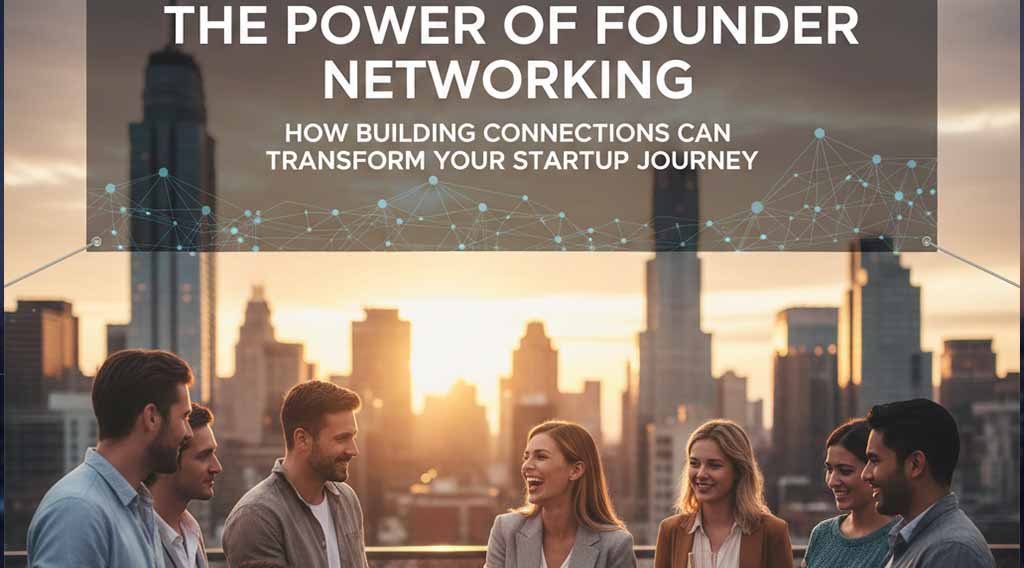
In the dynamic world of startups, success isn’t just about a great idea or a solid business plan. It’s about people—who you know, how you connect, and the relationships you nurture along the way. For founders, especially those starting out or scaling their ventures, networking can be one of the most impactful activities you engage in.
But what exactly makes founder networking so valuable, and how can you make the most of it? In this blog post, we’ll explore why networking matters, the different forms it can take, and actionable tips to build meaningful connections that benefit both you and your business.
Why Founder Networking Matters
Expanding Your Knowledge and Perspective
One of the biggest advantages of networking with other founders is the opportunity to learn from real experiences. Founders often face similar challenges—raising capital, hiring the right team, refining product-market fit, navigating burnout—and connecting with peers allows you to exchange insights, strategies, and lessons learned.
When you talk to someone who has already walked the path you’re on, you gain practical wisdom that no online article or business book can fully capture. These conversations can broaden your perspective and help you avoid common pitfalls.
Gaining Emotional Support
Building a startup can be a lonely journey. The weight of responsibility, uncertainty, and high expectations can take a toll on your mental well-being. Founder networking offers a community where you can find empathy, encouragement, and support from others who truly understand what you’re going through.
Even casual conversations about daily struggles can offer relief and motivation. Knowing you’re not alone can be a powerful antidote to stress and self-doubt.
Finding Opportunities and Resources
Networking often leads to opportunities you might not find otherwise. Whether it’s meeting potential co-founders, connecting with early customers, discovering talent, or finding investors, relationships expand your access to valuable resources. Many founders land their first major breakthrough simply by being in the right room or having the right introduction.
Connections can also direct you to tools, programs, or communities that accelerate your journey—like accelerators, mentorship programs, or strategic partnerships.
Types of Networking That Work for Founders
In-Person Events and Meetups
Traditional networking events—conferences, meetups, panel discussions, pitch nights—remain powerful platforms for forging real-world connections. The energy of being physically present with like-minded individuals fosters authentic conversation and leaves a stronger impression than digital interactions alone.
At in-person events, founders can engage in spontaneous discussions, attend workshops, and participate in group activities that build rapport quickly. Here are a few ways to approach these events effectively:
- Prepare an elevator pitch: Summarize your business clearly and succinctly so you can confidently introduce yourself.
- Set goals: Aim to meet a certain number of new people or learn something specific from each event.
- Be genuinely curious: Ask thoughtful questions and listen actively.
Online Communities and Virtual Gatherings
While in-person events are valuable, online networking has become equally essential. Virtual events, forums, and communities (on platforms like LinkedIn, Slack, or niche groups) allow founders from around the world to connect, share, and collaborate without geographic limitations.
Virtual networking advantages include flexibility, ongoing engagement, and access to diverse perspectives. To maximize online networking:
- Stay active: Engage regularly by sharing insights, asking questions, and offering help.
- Participate in discussions: Contributing value builds your reputation and attracts others to you.
- Follow up: After virtual events or conversations, connect on professional networks to deepen the relationship.
Mastermind Groups and Peer Circles
Mastermind groups are smaller, structured gatherings of founders who meet regularly to brainstorm, hold each other accountable, and offer strategic support. These groups build trust over time and can become some of the strongest networks for long-term growth.
In a mastermind setting, founders often:
- Share business challenges and receive candid feedback
- Set goals and report on progress
- Exchange introductions and recommendations
The consistency and depth of these interactions make mastermind groups uniquely beneficial.
How to Network With Intention
Networking isn’t about collecting business cards or increasing your follower count. Meaningful networking is built on intention, authenticity, and reciprocity.
Focus on Giving First
Approach networking with a mindset of contribution. Ask yourself: “How can I help this person?” Whether you offer advice, share a contact, or simply listen attentively, giving first builds goodwill that’s likely to be returned.
Prioritize Quality Over Quantity
It’s better to build a few deep, genuine connections than to meet a hundred people superficially. Invest time in relationships that feel aligned with your mission and values.
Follow Up and Stay Connected
A network is only as strong as the effort you put into maintaining it. After meeting someone new:
- Send a follow-up message referencing your conversation
- Connect on professional networks
- Share relevant articles, tools, or opportunities
- Check in periodically—even a simple message can sustain the relationship
Conclusion: Networking as a Strategic Habit
Founder networking isn’t a one-time task—it’s a strategic habit that evolves with you and your business. By intentionally building connections, engaging in diverse communities, and prioritizing authentic relationships, you equip yourself with a powerful support system and a rich ecosystem of opportunities.
Remember, every conversation can be a doorway to new ideas, collaborations, and growth. Embrace networking not as a chore, but as an essential and rewarding part of your entrepreneurial journey.