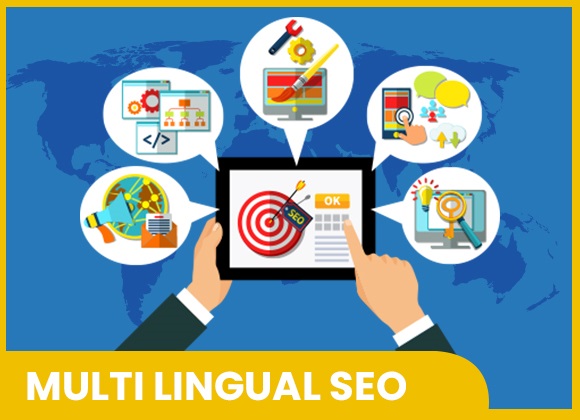
The digital landscape is increasingly borderless. Businesses in Singapore, especially those targeting regional and global markets, often interact with audiences who speak different languages and consume content in varied cultural contexts. Traditional Search Engine Optimisation (SEO) strategies are not always sufficient when the audience is linguistically diverse. This is where Multilingual SEO becomes essential. It ensures that content is discoverable, relevant, and accessible across languages, helping businesses connect with users in the most meaningful way.
For digital marketing agencies offering Search Engine Optimization Services, understanding the nuances of Multilingual SEO is crucial for supporting clients who operate in Asia or serve international customers. This article explores the strategies, benefits, and challenges of SEO for multilingual audiences, with practical insights for businesses seeking growth beyond a single-language market.
Why Multilingual SEO Matters
Singapore is home to a highly connected, multicultural population, and many businesses here serve regional or global customer bases. Users often conduct searches in their preferred language, even when engaging with international brands. By optimising content in multiple languages, businesses can:
- Improve search visibility across regions
- Build trust with culturally diverse users
- Increase conversions by delivering content in a user’s native language
- Meet the growing expectations for personalised online experiences
Without proper Multilingual SEO, businesses risk losing search visibility to competitors who localise their approach more effectively.
Understanding the Foundations of Multilingual SEO
Multilingual SEO ensures that each language version of a website is properly indexed, ranked, and served to users who speak that language. Implementing it effectively requires attention to several core elements.
1. Language-Targeted Keyword Research
Users in different countries or languages may search for the same product or service differently. Keyword research must be conducted separately for each target language—not translated directly.
For example:
- “SEO services Singapore”
- “服务搜索引擎优化” (Chinese)
- “บริการ SEO” (Thai)
Each keyword reflects different intent patterns and cultural contexts. Direct translation often misses nuance, while native-language research uncovers the terms people actually use.
2. Localised Search Intent
Understanding search intent is key. In multilingual markets, intent varies not only by keyword but also by cultural expectations.
For instance, users in Japan may prioritise company reputation, while users in Malaysia may search more by service benefits or price. Recognising such differences helps businesses tailor content that genuinely meets user needs.
3. URL Structure and Technical Setup
Technical accuracy is crucial for multilingual websites. Google must understand which pages serve which languages. Common approaches include:
- Subdirectories (example.com/en/)
- Subdomains (en.example.com)
- Country-specific domains (example.fr)
There is no single correct option, but each must use hreflang tags correctly to signal language and regional targeting.
Incorrect or missing hreflang attributes may cause Google to display the wrong language page to users, harming both SEO and user experience.
4. Professional Translation and Localisation
Machine translation alone often leads to misinterpretation, awkward phrasing, and loss of cultural nuance. Localisation goes further by adapting:
- Tone
- Imagery
- Calls to action
- Cultural references
This ensures each language version feels authentic rather than translated.
The Benefits of Multilingual SEO for Singapore Businesses
Businesses based in Singapore are uniquely positioned to benefit from Multilingual SEO due to the nation’s connectivity, diverse population, and proximity to high-growth markets.
1. Expanded Market Reach
Multilingual optimisation helps businesses reach users in Southeast Asia, South Asia, North Asia, and beyond—regions where English may not be the dominant search language.
2. Stronger Search Engine Rankings in Local Markets
Search engines prioritise content that matches a user’s language setting. Localised pages are more likely to appear in region-specific search results.
3. Enhanced Engagement and Conversion Rates
Users tend to trust and stay longer on websites written in their preferred language. This reduces bounce rates and increases conversions—both of which support stronger long-term SEO performance.
Common Challenges of Multilingual SEO
While the benefits are significant, Multilingual SEO requires careful planning to avoid technical and strategic pitfalls.
1. Duplicate Content Risks
If language versions are not correctly tagged, Google may consider them duplicates. Hreflang implementation prevents this, but incorrect configurations are a common issue.
2. Cultural Misalignment
Literal translations often fail to reflect local expectations. Without cultural insight, content may appear unfamiliar or irrelevant.
3. Inconsistent Branding
Multiple languages must reflect a consistent brand voice while remaining culturally appropriate. This balance can be difficult without clear brand guidelines.
4. Ongoing Maintenance
Multilingual websites need continuous updates across all language versions. Outdated content in one language may affect perceived credibility.
Effective Strategies for SEO for Multilingual Audiences
1. Conduct Separate Keyword Research for Each Language
Use native speakers or region-specific tools to uncover search habits and trending queries. Avoid direct translation from English keywords.
2. Use Hreflang Tags Correctly
These tags indicate to search engines which content targets which language or region. They are essential for avoiding duplicate content issues and ensuring the correct page is served.
3. Choose the Right URL Structure
Subdirectories and subdomains are common, but country-specific domains may be suitable for businesses targeting specific high-value markets.
4. Invest in Localised Content Creation
Instead of translating English content word-for-word, create or adapt content that reflects the cultural norms of each audience.
5. Optimise Metadata for Each Language
Meta titles, descriptions, alt text, and structured data must be written in the correct language to maximise visibility in local search results.
6. Monitor Geo-Specific Performance
Use tools like Google Search Console to track performance by region and language. This helps identify gaps in visibility and user behaviour.
Conclusion
SEO for multilingual audiences is a powerful way for businesses in Singapore to expand their reach and engage global users effectively. By combining cultural insight, technical accuracy, and well-executed Search Engine Optimisation strategies, businesses can ensure that their content resonates in every language they target. As digital engagement becomes increasingly international, Multilingual SEO is no longer optional—it is a key component of long-term growth for businesses serving diverse markets.