
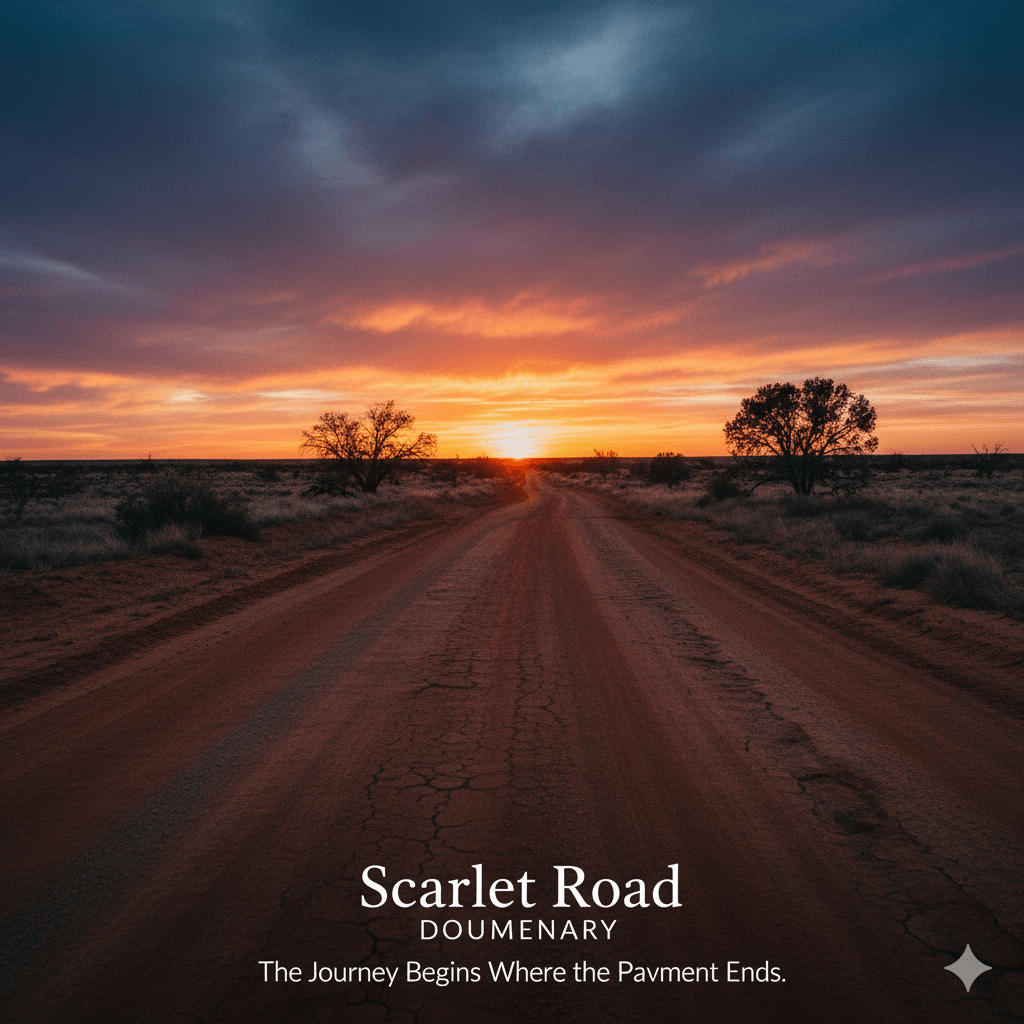
The world of sex work is often shrouded in stigma and misunderstanding, especially when it intersects with disability. The documentary “Scarlet Road” dives deep into this complex narrative, presenting a unique perspective that challenges societal norms. Through the lens of Rachel Wotton—a courageous sex worker and outspoken advocate for disability rights—viewers are invited to explore an uncharted territory where intimacy meets advocacy. As we journey through her story, we confront our perceptions about sexuality and the right to desire, regardless of physical limitations. This film not only sheds light on personal experiences but also prompts critical conversations around inclusion and acceptance in society. If you’re curious about how one woman’s life can inspire change in attitudes towards both disability and sexuality, keep reading!
The Story of Rachel Wotton, a Sex Worker and Activist for Disability Rights
Rachel Wotton’s journey is both compelling and transformative. As a sex worker, she has navigated the complexities and stigmas surrounding her profession. But Rachel is much more than just a provider of intimacy; she is a fierce advocate for disability rights.
Living with a disability herself, Wotton highlights the often-overlooked intersection of disability and sexuality. She challenges societal norms that dictate who deserves love and pleasure. Through her work, Rachel empowers others to embrace their desires without shame.
Her activism extends beyond personal experiences. By sharing stories and insights from other disabled individuals in the sex industry, she illuminates their struggles and triumphs. Each narrative serves as an important reminder that everyone deserves agency over their own bodies—regardless of ability or societal prejudice.
Rachel’s voice resonates deeply, urging us all to reconsider our perceptions about sex work and disabilities in an unfiltered way.
The Intersection of Disability and Sex Work
The intersection of disability and sex work is a complex issue that challenges societal norms. Many individuals with disabilities often face barriers in expressing their sexuality. This struggle can lead to feelings of isolation.
Sex work, in this context, provides a unique space for empowerment. It offers agency to those who might otherwise feel marginalized. Rachel Wotton’s journey exemplifies how sex work can be an avenue for self-advocacy.
Yet, misconceptions persist about the capabilities of people with disabilities engaging in this field. Society often fails to see them as sexual beings deserving of love and pleasure.
Disability rights activists emphasize the importance of inclusivity within sex work discussions. By recognizing these intersections, we can foster greater understanding and acceptance for all individuals navigating these challenging landscapes.
The Impact of Scarlet Road on Society and Its Perception of Disability and Sexuality
Scarlet Road pushes boundaries in how society views disability and sexuality. It challenges preconceived notions by spotlighting the experiences of those often marginalized.
Through Rachel Wotton’s story, viewers encounter the intimate realities faced by disabled individuals seeking connection. This documentary invites dialogue about their rights to love and intimacy.
The film has sparked conversations across various platforms, prompting audiences to reconsider societal norms surrounding sex work and disability. By highlighting personal narratives, it humanizes a topic that is frequently stigmatized.
Furthermore, Scarlet Road encourages advocacy for greater acceptance within both communities. The impact transcends mere entertainment; it serves as a catalyst for change in public perception.
As more people engage with this content, societal barriers begin to crumble. It’s a pivotal moment for both activists and allies who strive for inclusivity in discussions about desire and agency.
Controversies Surrounding the Documentary
Scarlet Road has sparked intense debates since its release. Critics argue that it romanticizes the life of sex workers, potentially glossing over the complexities and dangers they face.
Some advocates for disability rights feel conflicted about Rachel Wotton’s portrayal. They worry it may overshadow broader issues like accessibility and autonomy in relationships. The documentary challenges societal norms, but not everyone is ready for that conversation.
Additionally, ethical questions arise around consent and representation in sex work documentaries. Are we truly capturing authentic experiences or shaping narratives to fit a preconceived notion of empowerment? These controversies reveal deep-seated tensions within society regarding disability and sexuality.
As viewers engage with Scarlet Road, they are prompted to confront their biases. It’s a powerful catalyst for discussions that many would rather avoid—yet these conversations are essential as we navigate such intricate social landscapes.
Personal Reflections on Watching Scarlet Road
Watching the **Scarlet Road documentary** was an eye-opening experience. The raw honesty and vulnerability of Rachel Wotton resonated deeply.
Her story challenged my perceptions about sex work, especially within the context of disability. It reminded me that every individual has unique needs and desires, often overshadowed by societal norms.
I found myself reflecting on how society views intimacy for people with disabilities. The stigma surrounding their sexuality is pervasive yet rarely discussed.
Rachel’s advocacy shines a light on these unseen struggles, making her journey profoundly impactful. I felt both admiration and sadness as she navigated her path in a world that often excludes those who need it most.
The documentary stirred emotions I didn’t anticipate, pushing me to reconsider my own beliefs about love and connection. Each moment lingered long after the credits rolled, prompting deeper thoughts on empathy and acceptance.
Conclusion: How Scarlet Road Shines a Light on an Often Ignored Issue
Scarlet Road serves as a powerful lens through which we can examine the often-overlooked intersection of disability and sexuality. The documentary’s focus on Rachel Wotton, a passionate advocate for both sex work and disability rights, opens up important conversations around these topics. It challenges societal norms and invites us to reconsider our perceptions of what it means to be disabled, particularly in terms of intimacy and desire.
The film doesn’t shy away from controversy, sparking debates about the ethics of sex work while highlighting the autonomy that many individuals seek within their circumstances. Scarlet Road encourages viewers to empathize with those who are frequently marginalized.
For many audience members, watching this documentary is an eye-opening experience that reveals the complexities surrounding disability and sexual agency. It raises essential questions about inclusion, consent, and human rights—issues that deserve more visibility in public discourse.
By bringing these narratives into the spotlight, Scarlet Road not only amplifies voices like Rachel’s but also urges society as a whole to confront its biases. This compelling film ultimately shines a light on an issue too often ignored—a reminder that everyone deserves respect, dignity, and love regardless of their physical abilities or life choices.