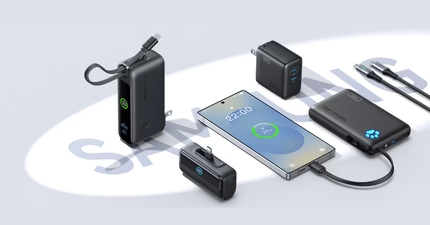
In our hyper-connected world, the boundary between the office and the outdoors has all but vanished. Whether you are a professional finishing a report in a bustling airport or a hiker navigating a trail via GPS, your success depends entirely on your battery percentage. To maintain this level of freedom, a high-quality portable charger has become an indispensable tool. It serves as a mobile lifeline, ensuring that the devices we rely on for communication, navigation, and productivity never fail us when we are miles away from the nearest wall outlet.
Boosting Professional Productivity Outside the Office
The rise of remote work has turned the world into a potential office, but this flexibility brings the challenge of “power anxiety.” Relying on public infrastructure is a gamble; often, the only open table at a cafe is the one furthest from a plug. Carrying a high-speed USB charger allows you to quickly capitalize on short windows of time, such as a 20-minute layover, to top up your laptop and keep your workflow moving.
Working Beyond the Traditional Desk
A mobile power setup allows you to transform parks, trains, and transit hubs into functional workspaces. With enough juice to power your peripherals, you can maintain a dual-screen setup or keep your noise-canceling headphones active for hours, ensuring that “working from anywhere” actually means being productive everywhere.
Ensuring Emergency Reliability and Backup
Unexpected power outages or transit delays can happen at any time. For many professionals, having a dedicated power bank for iPhone or other essential smartphones is the difference between attending a critical client meeting and missing it entirely. This backup power prevents data loss and ensures that you are always reachable during professional emergencies.
Staying Powered and Safe During Outdoor Activities
While professionals focus on productivity, outdoor enthusiasts focus on survival and memories. In the wild, your electronic devices serve a much more critical purpose than just checking emails; they are your primary tools for safety.
Navigation and Communication Essentials
Modern hiking relies heavily on GPS-enabled smartphones and specialized satellite communicators. However, cold weather and constant signal searching can drain batteries faster than expected. Keeping your navigation tools powered is a fundamental safety rule, ensuring you can always find your way home or call for help if the terrain becomes treacherous.
Powering Gear for Content Creation
For the modern adventurer, documenting the journey is part of the experience. Cameras, drones, and GoPros require significant energy to capture high-definition footage. Having a reliable energy reserve ensures you don’t miss the perfect sunset shot just because your camera battery hit zero at the summit.
Key Features to Consider When Choosing Your Gear
Balancing Capacity and Portability
The ideal power solution depends on your itinerary. A compact 10,000mAh unit is perfect for daily commutes, while a 20,000mAh or 30,000mAh brick is necessary for multi-day treks or powering a laptop. You must weigh the need for more energy against the physical burden of carrying a heavier device in your pack.
Fast Charging and High Output Technology
Not all ports are created equal. Look for USB-C Power Delivery (PD) technology. This allows for “handshake” communication between the charger and your device, delivering the maximum safe wattage (often 65W or higher) to charge large batteries, like those in a MacBook or iPad, at incredible speeds.
Rugged Durability and Weather Resistance
For outdoor use, durability is non-negotiable. Look for chargers with high IP ratings for water and dust resistance. A shockproof exterior can also protect the internal lithium-ion cells from the bumps and drops that are inevitable on a rocky trail or a busy commute.
Expert Tips for Maximizing Battery Performance
Smart Charging Habits for Longevity
To keep your gear healthy, avoid letting your devices drop to 0%. Lithium-ion batteries prefer “topping off”—charging in small increments between 20% and 80%. This reduces chemical stress on the battery cells and extends their overall lifespan.
Managing Temperature for Optimal Efficiency
Extreme temperatures are the enemy of battery chemistry. In the winter, keep your charger in an inner jacket pocket to use your body heat to keep it warm. Conversely, never leave your gear in a hot car, as excessive heat can lead to permanent capacity loss.
Conclusion
A reliable power source is the backbone of a modern, mobile lifestyle. Whether you are hitting a deadline in a remote village or navigating a mountain pass, your equipment is only as useful as its remaining charge. By investing in the right power solution, you aren’t just buying a gadget; you are purchasing the peace of mind to work and play without limits.