Handleless cabinets have become trending recently, especially in minimalist kitchens. The lack of different types of handles might make the space feel a bit less visually cluttered, but people choose them for various reasons. For example, parents of young children prefer them for the safety of kids, who cannot open drawers and find something sharp or dangerous to play with.
Handleless cabinets are also perfect for people with limited mobility if they come with features such as push- or tap-open. Moreover, these cabinet door types are less likely to cause accidents by catching on handles, sleeves, or loose garments.
However, not everyone is fond of these designs, as they might seem too basic. In addition, these tend to cost more than basic kitchen cabinets, especially if they have fancy features or are made of pricey materials. So, if you have considered them but are unsure whether to introduce them in your kitchen, here’s a brief introduction to handleless kitchen cabinets.

3 types of handleless kitchen cabinets
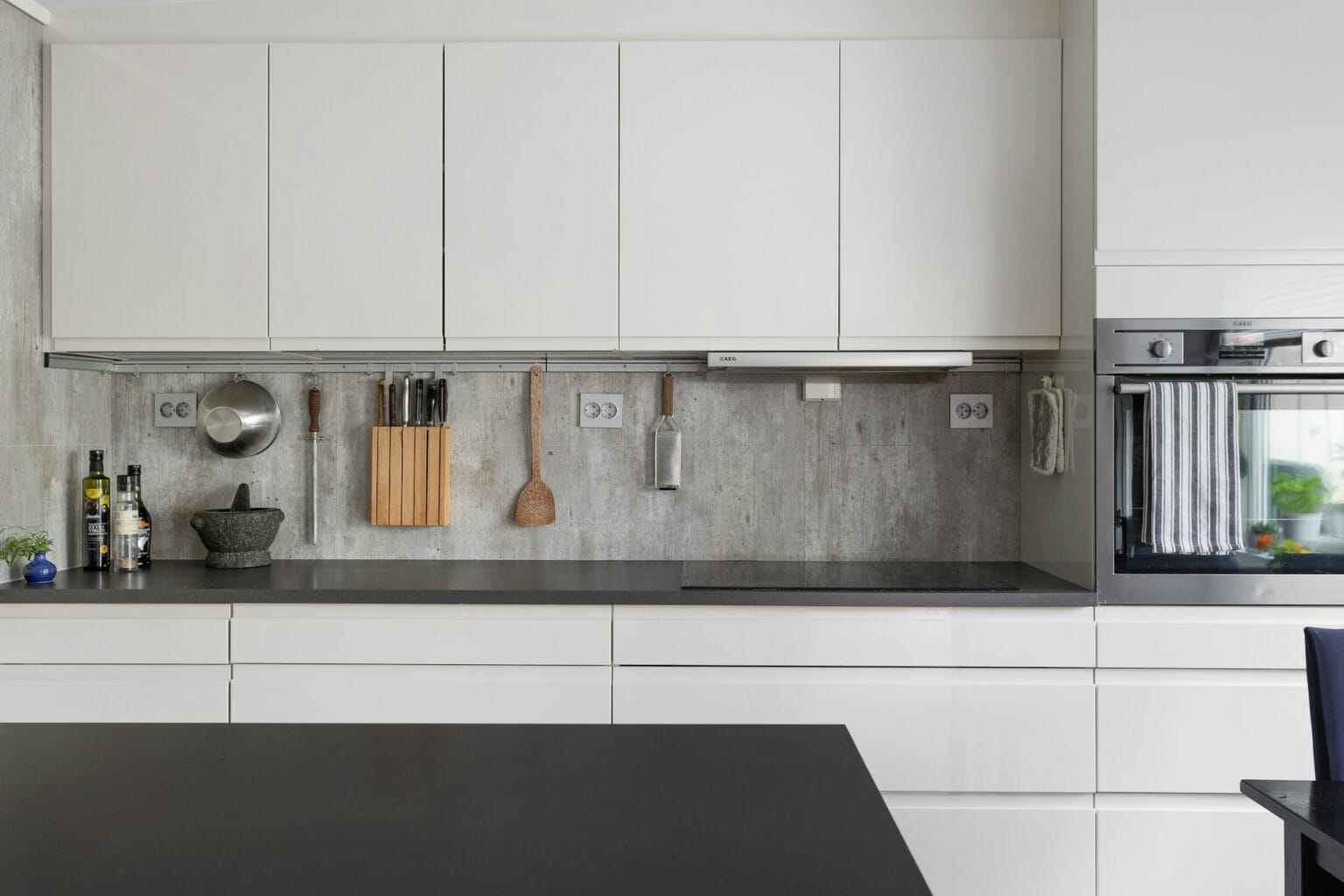
Luckily, there are different types of cabinets without the usual handles that can adapt to your kitchen needs. The integrated ones feature a continuous vertical or horizontal channel along the edge of the cabinet, making it easy to grip the door. Some also come with a rail or strip for cabinet doors and drawers, making handles more discreet. These are great if you want a mix of modern and traditional handles.
The second common cabinet has a push-to-open handle and requires a gentle push to open the door. It works via a mechanical feature or an electric servo, offering fluid movement during opening and closing. The design is minimalist and easy to use for anyone who cooks regularly, which also pertains to the shaker kitchen style.
Cabinets can also come with J-pull handles that ensure a comfortable grip and are situated on the top edge of the cabinet. It is an ergonomic, straightforward solution for kitchen handles.
3 impressive benefits of handleless kitchen cabinets
Handleless kitchen cabinets have a sleek surface that contributes to an uncluttered room design. In addition, these cabinets have a flat, smooth surface that makes them ideal for any kitchen layout. The finishes are also diverse, whether high-gloss or matte, which contribute to a great interior design.
While these cabinets tend to be more expensive than other designs, they are made from durable materials and feature finishes that support a longer lifecycle. For instance, solid-wood kitchen units add a touch of elegance while offering high-quality features.
Finally, handleless cabinets are perfect for any space, especially for smaller rooms that need a special design to avoid clutter. They help enhance the flow in open-plan kitchens, creating a seamless look for the cooking and dining areas.
3 potential disadvantages of the handleless kitchen cabinets
Handleless kitchen cabinets might pose challenges for those who want the room to be squeaky clean. Given their design, handleless cabinets are prone to showing fingerprints and smudges more than other materials, especially when the finish is shiny. Touching the surfaces frequently can leave stains that need cleaning, especially on gloss or dark-coloured finishes, so consider lighter tones and matte or textured surfaces for your handleless kitchen cabinets.
In addition, the costs of features like push-to-open and electric servo designs might prompt some people to consider open shelving instead. This, of course, is a matter of taste, but such mechanisms are more complex to install and maintain for the long term.
Finally, handleless cabinets for people with long manicures might also be inconvenient. Before installing the cabinets, remember who will use them most frequently to ensure they won’t struggle to use them. And while these are great for people with mobility limits, that doesn’t mean they fit every person’s needs.
3 tips on choosing handleless cabinets for maximum efficiency
It’s best to plan the finish and colour of the kitchen cabinets before buying. Besides cleaning considerations for darker tones of the handleless, make sure the finishes don’t require much maintenance. Some materials, like laminate, are best for resisting scratches, while matte finishes are perfect for resisting fingerprints.
If you’ve never had handleless kitchen cabinets, consider combining them with regular cabinets. The best places for handleless cabinets include upper cabinets, drawer fronts, or accent cabinets, so the rest of the kitchen cabinets can have regular handles.
Thirdly, plan for ergonomics so your experience is seamless when cooking and cleaning. Base cabinets might be more efficient with recessed rails for optimal use, while upper cabinets or pantry units might benefit more from push-to-open mechanisms. Consider making the kitchen as user-friendly as possible for you and anyone using it.
Can handleless kitchen cabinets fit into different designs?
Handleless kitchen cabinets are best suited to minimalist, sleek kitchen designs, as they fit the clean aesthetic. However, you can integrate them into various designs, depending on your preferences for colour or finishes. Handleless kitchen cabinets can look great in retro styles, combined with expressive light fixtures, red-wood colours, avocado-shaded walls, and a hint of buttery yellow at the backsplash.
A contemporary kitchen doesn’t have to be all black and white. A traditional terrazzo pattern can look amazing with handleless cabinets when paired with turquoise and white tones, and a pattern of your choice. You can make everything look more expensive with leather chairs and a little bit of brown here and there. Kitchen fixtures like the tap can be made of brass for maximum fanciness.
What do you think about handleless kitchen cabinets?
While they seem too gaudy for some, handleless kitchen cabinets are the epitome of simplicity and minimalism for others. Their sleek design offers superior flow in smaller or open-plan kitchens and contributes to elaborate kitchen designs. These additions are perfect for families with kids as a safety measure, and even for some people with limited mobility. Moreover, the extensive choice of colours and finishes makes these cabinets ideal for anyone redesigning their kitchens. However, keep in mind that some finishes make smudges very visible, so opt for matte fixtures and lighter tones to reduce the visibility of fingerprints.