

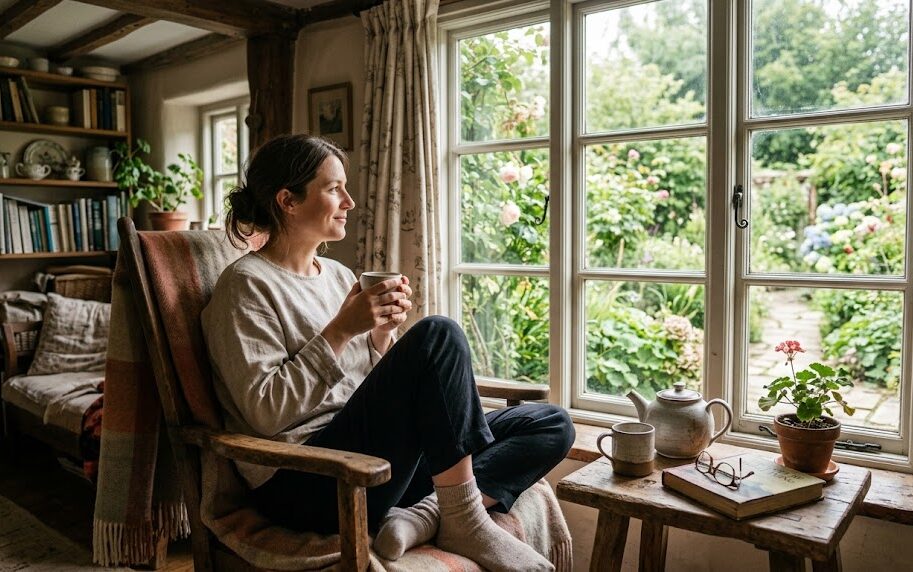
Slow living is a lifestyle choice that emphasizes a deliberate and mindful approach to everyday activities, contrasting sharply with the rapid pace of contemporary living. The term first gained prominence in the late 1980s, closely linked to the slow food movement, which sought to counteract the growing prevalence of fast food and the homogenization of culinary traditions worldwide. Advocates of slow living argue that this lifestyle allows individuals to reconnect with what is truly meaningful in their lives, thereby fostering a sense of peace and fulfillment. At the heart of slow living lies a commitment to mindfulness and intentionality. Mindfulness encourages individuals to be present in the moment, engaging fully with their surroundings, activities, and relationships. Intentionality involves deliberate choices about how to spend one’s time and energy, leading to a more focused and meaningful existence. This philosophy encourages a shift from consumer-driven habits to practices that prioritize sustainability, community, and personal well-being.
The principles of slow living can be traced to various cultural and philosophical movements, including simplicity, minimalism, and environmentalism. For instance, the Japanese concept of “wabi-sabi” celebrates the beauty of imperfection and transience, urging practitioners to find joy in the simple and the ordinary. Similarly, the minimalism trend champions decluttering one’s life in pursuit of greater clarity and purpose. These ideas collectively form a foundation for the slow living movement, reinforcing the notion that living harmoniously with oneself and the environment can lead to profound personal satisfaction.
Mental Health Benefits of Slow Living
The fast-paced nature of modern life often leaves individuals feeling overwhelmed and disconnected. Embracing a slow living lifestyle can provide significant mental health benefits by fostering mindfulness and reducing overstimulation. This shift towards a more deliberate way of living allows individuals to prioritize their mental well-being and cultivate emotional resilience.
One of the primary benefits of slow living is its ability to alleviate stress and anxiety. Research in psychological studies indicates that when individuals adopt slower-paced routines, they experience a decrease in cortisol levels, the hormone commonly associated with stress. By intentionally taking time to engage in calming activities, such as meditation or gentle outdoor walks, people can create a greater sense of peace and tranquility in their lives.
Furthermore, slow living encourages practices that enhance emotional well-being. It invites individuals to focus on the present moment, which reduces rumination and fosters a positive outlook. Mindfulness techniques, often associated with slow living, have been shown to improve overall mood and encourage a compassionate self-view. Such practices help individuals to become more aware of their thoughts and feelings, leading to better emotional regulation and fewer episodes of anxiety.
The pursuit of simplicity in slow living also contributes to better mental health. By prioritizing what truly matters, individuals can reduce mental clutter and prevent feelings of overwhelm. This lifestyle promotes habits like decluttering and intentional living, which can result in a heightened sense of satisfaction and joy in day-to-day activities. Ultimately, integrating slow living principles translates into a life that is not only calmer but also richer in fulfillment.
Building Stronger Relationships through Slowness
Embracing a slow living lifestyle fundamentally transforms how we engage with others, providing opportunities to cultivate deeper and more meaningful relationships. A focus on slowness encourages individuals to prioritize quality interactions, fostering an environment where connections can flourish. By intentionally moderating the pace of our lives, we create space for more profound conversations and opportunities to truly listen to our loved ones.
One of the most significant benefits of adopting a slow living mindset is the ability to dedicate uninterrupted time to family and friends. Rather than succumbing to the frenzy of a hectic schedule, individuals can plan activities that promote bonding, such as shared meals, outdoor excursions, or simple conversations over a cup of tea. Setting aside time devoid of distractions, such as phones or screens, allows for genuine exchanges, which strengthens emotional ties.
Additionally, engaging in meaningful conversations plays a crucial role in building relationships. In a fast-paced world, conversations can often feel superficial or rushed. However, adopting a slower approach encourages us to be present and actively participate in discussions. This presence fosters openness, enabling individuals to express their thoughts and feelings while also considering the perspectives of others. Techniques such as practicing active listening or asking open-ended questions can further enhance these exchanges, promoting understanding and empathy.
Moreover, it is essential for individuals wishing to enhance their relationships through slowness to identify shared interests or hobbies. By participating in activities that resonate with both parties, relationships can progress in a fulfilling direction. Whether it be gardening, cooking, or even crafting, shared experiences leave lasting impressions and memories, deepening bonds.
Practical Steps to Adopt Slow Living
Adopting a slow living lifestyle can significantly enhance one’s overall well-being. However, the transition from a fast-paced daily routine to a more mindful existence necessitates practical steps to facilitate this change. Here are several actionable strategies that can be incorporated into everyday life.
Firstly, prioritizing self-care is essential. Begin by carving out specific moments in your day dedicated to self-reflection or relaxation. This can include meditative practices, leisurely walks, or even simple breathing exercises. Allocating time for yourself allows for mental rejuvenation, ultimately contributing to a more peaceful state of mind.
Secondly, decluttering both physical and mental spaces can pave the way for adopting slow living. Start by evaluating possessions; consider what items truly hold value and let go of those that do not. A minimalist environment promotes mental clarity, which is crucial for focusing on what truly matters. Likewise, declutter your mental space by limiting exposure to stressors such as news or social media, which can disrupt your tranquility.
Moreover, embracing hobbies that promote relaxation can enhance your slow living journey. Engage in activities that inspire joy and creativity, such as gardening, painting, or practicing yoga. Such efforts not only cultivate a sense of fulfillment but also allow you to disconnect from the incessant demands of modern life.
Lastly, integrating mindful eating habits aids in embracing the slow living philosophy. Taking the time to savor meals without distraction fosters a deeper appreciation for food and encourages healthier choices. Eat slowly, relish each bite, and create a conducive atmosphere for your dining experience.
By implementing these practical strategies, individuals can effectively navigate the challenges of a fast-paced world while enjoying the enriching benefits of a slow living lifestyle.