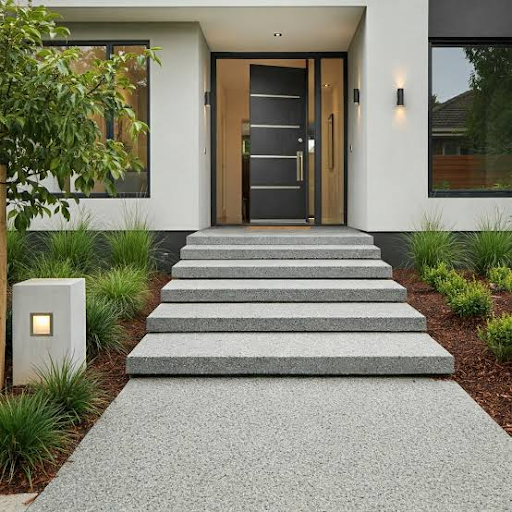
Homeowners across Oklahoma City often overlook one of the most functional features of their property: the steps leading up to their front door, back patio, or garage. Yet these small structures take a beating year-round, from freeze-thaw cycles in winter to scorching summer heat that causes expansion and contraction. When steps start cracking, sinking, or crumbling, they become more than an eyesore. They turn into a genuine safety hazard for everyone who walks up to your door.
This post looks at why well-built steps matter so much, what separates a quality installation from a shoddy one, and how to tell when it’s time to repair or replace what you currently have. By the end, you’ll understand exactly what to look for and why working with an experienced local team makes all the difference.
Why Concrete Steps Matter More Than Homeowners Realize
Steps are one of the first things visitors notice when they approach a house. A cracked, uneven, or discolored entryway sends the wrong message before anyone even reaches the front door. First impressions aside, damaged steps pose real risks. Loose chunks of concrete, uneven risers, and crumbling edges create tripping hazards, especially for children, older family members, or anyone carrying groceries or packages.
Oklahoma’s climate doesn’t do homeowners any favors either. The state sees hot, humid summers followed by freezing winters, and that constant temperature swing puts enormous stress on concrete. Water seeps into small cracks, freezes, expands, and widens those cracks further. Left unaddressed, minor surface damage can turn into structural failure within a few seasons.
What Separates a Quality Installation From a Weak One
Not all concrete work holds up the same way, and the difference usually comes down to a few key factors:
Proper base preparation. A step that’s poured over poorly compacted soil will shift and crack no matter how good the concrete mix is. A solid, well-compacted base is the foundation of a step that actually lasts.
Reinforcement. Steel rebar or wire mesh embedded in the concrete adds strength and helps prevent cracking as the material naturally settles and shifts over time.
Mix quality and curing time. Using the right concrete mix for the local climate, then allowing it to cure properly, makes a measurable difference in how well the finished product resists cracking, chipping, and weather damage.
Attention to slope and drainage. Steps need a slight slope built in so water runs off rather than pooling and refreezing, which is one of the most common causes of premature deterioration.
Skipping any of these steps might save time upfront, but it almost always leads to costly repairs down the road.
Signs Your Steps Need Attention
It’s not always obvious when steps have moved from “a little worn” to “genuinely unsafe.” Here are a few warning signs worth paying attention to:
- Visible cracks that seem to be growing wider or longer over time
- Steps that feel uneven, wobbly, or shift slightly underfoot
- Crumbling edges or corners where chunks of concrete have broken away
- Pooling water after rain, which suggests a drainage or slope issue
- Noticeable settling, where one side of the step sits lower than the other
Any one of these issues on its own might seem minor, but they tend to compound. A small crack today can become a full structural problem within a year or two if moisture keeps working its way in.
Repair or Replace: How to Decide
Homeowners often want to know whether their steps can be patched or if a full replacement makes more sense. Generally speaking, surface-level cracks and minor chipping can often be repaired successfully if the underlying structure is still sound. However, if the steps are significantly settled, have widespread cracking, or show signs of the base failing underneath, replacement is usually the more cost-effective long-term solution. Patching a structurally compromised step is a bit like putting a bandage on a broken bone. It might look better temporarily, but the underlying problem remains.
A professional assessment is the best way to know for certain which category your steps fall into. An experienced team can spot the difference between cosmetic wear and structural failure, saving homeowners from spending money on repairs that won’t hold up.
Why Homeowners Trust Local Expertise for This Job
Concrete steps built to handle heavy foot traffic, harsh Oklahoma winters, and blistering summer heat while keeping every member of your household safe on their way in and out represent one of the smartest investments a homeowner can make in their property. This is exactly the kind of work Oklahoma City Concrete Pros LLC specializes in. With deep familiarity in how the local climate affects concrete over time, the team designs every project with proper reinforcement, drainage, and curing practices built in from the start.
Rather than offering a one-size-fits-all approach, the team evaluates each property individually, taking into account soil conditions, existing structures, and the specific wear patterns unique to Oklahoma weather. That attention to detail is what allows the finished product to hold up for decades rather than needing repairs after just a few years.
Give Your Entryway the Upgrade It Deserves
Steps might seem like a small part of a home, but they carry a lot of responsibility. They handle daily foot traffic, protect against injury, and shape the first impression your home makes on every visitor. Investing in a properly built, well-maintained set of steps pays off in safety, curb appeal, and long-term value.
If your current steps show any of the warning signs mentioned above, waiting rarely makes the problem better. Reach out to a team with the local experience to build something that lasts, and give your home the safe, solid entryway it deserves.
Frequently Asked Questions
How long do properly installed concrete steps typically last?
With proper installation, reinforcement, and drainage, well-built steps can last 25 years or more, even with Oklahoma’s demanding weather swings.
Can I use my steps while they’re curing?
Foot traffic should generally be avoided for at least a week after a new pour, and full curing can take up to a month, depending on weather conditions.
Is it more affordable to repair or fully replace damaged steps?
Minor surface cracks can often be repaired affordably, but if the base has shifted or settled, replacement tends to save money in the long run by preventing repeat repairs.
Does the time of year affect when steps should be installed or repaired?
Yes. Milder temperatures in spring and fall generally provide the best curing conditions, though experienced contractors can work around summer heat and winter cold with the right techniques.