Lighting in modern homes serves as a crucial element that transcends its traditional role of mere illumination. It enhances the aesthetic appeal of spaces while simultaneously contributing to their functionality. In recent years, the evolution of lighting design has paralleled advancements in modern architecture, reflecting contemporary tastes and technological innovations. Designers increasingly recognize that light is not only a tool for visibility but also a vital component that affects mood, perception, and interactions within a space. Historically, lighting solutions were limited to basic fixtures and natural light sources, such as windows and skylights. However, the rise of modern design has introduced a plethora of options, including recessed lighting, pendant fixtures, and smart lighting systems. These innovations provide homeowners with greater flexibility and control, allowing for personalized lighting schemes that can adapt to various activities and times of day. As homes evolve into multifunctional spaces, the need for effective lighting solutions that highlight architectural features and create ambiance has become increasingly important.
Furthermore, modern lighting design has embraced minimalism, focusing on clean lines and unobtrusive fixtures that blend seamlessly with their surroundings. This approach not only complements the simple and straightforward aesthetics of contemporary architecture but also emphasizes the functionality of each room. For instance, dining areas may feature statement pendants that act as both lighting and decorative pieces, while task lighting in home offices ensures productivity without sacrificing style.
In summary, modern lighting is an indispensable aspect of home design that enhances both beauty and utility. As the field continues to evolve, it reflects a dynamic interplay between innovation and creativity, making it essential for homeowners to consider the impact of lighting when designing their spaces.
Understanding Different Lighting Types
In contemporary interior design, lighting serves as not just a functional element but also as a means of enhancing aesthetics. There are three primary types of lighting: ambient, task, and accent, each serving a unique purpose in modern homes.
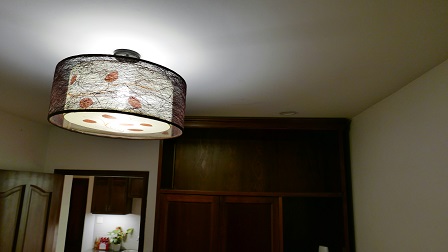
Ambient lighting is the foundational layer of illumination in a space. This type creates an overall glow that enables individuals to navigate and use the space comfortably. Common sources of ambient lighting include ceiling-mounted fixtures, chandeliers, and recessed lighting. When choosing ambient lighting, it is essential to consider both the intensity of the light and the color temperature, as these factors significantly impact the mood of the room.
Task lighting focuses on illuminating specific areas where activities are performed, such as reading, cooking, or working. This type of lighting needs to be brighter and more direct compared to ambient lighting. Common examples of task lighting include desk lamps, under-cabinet lights in kitchens, and reading lamps next to sofas or beds. Properly positioned task lighting not only boosts functionality but also contributes to overall visual appeal in modern homes.
Finally, accent lighting serves to highlight particular features in a space, such as artwork, architectural elements, or decorative objects. It adds depth and draws attention to areas that may otherwise go unnoticed. Accent lights typically include wall sconces, spotlights, and track lighting. This type of lighting should be softer than task lighting but more focused than ambient lighting, creating a well-balanced visual hierarchy in a room.
Understanding the distinctions between ambient, task, and accent lighting, along with the appropriate applications of each type, is crucial for creating a stylish and functional environment in modern homes. By integrating these diverse lighting solutions, homeowners can achieve not only the desired illumination but also enhance the aesthetic quality of their spaces.
Incorporating Natural Light
Natural light plays a pivotal role in modern home design, significantly enhancing both aesthetic appeal and well-being. By integrating abundant natural light, homeowners can create more inviting and spacious environments that not only look stunning but also foster a healthier lifestyle. Numerous strategies can be employed to maximize the influx of natural light into residential spaces.
One effective method is the inclusion of large windows. Expansive window designs, such as floor-to-ceiling panes, allow for generous amounts of daylight to penetrate the interior. This not only brightens the room but also aids in reducing dependency on artificial lighting, thereby lowering energy costs. Additionally, strategically placing windows to take advantage of views and sunlight patterns can enhance the overall ambiance of the home.
Another way to promote natural light is through the installation of skylights. Skylights can significantly transform a space by flooding it with daylight, even in rooms that may not have exterior walls. This type of lighting is particularly beneficial in areas like kitchens and bathrooms, where sunlight may be challenging to reach. Furthermore, modern skylight designs often include energy-efficient features, ensuring that homes remain well-insulated while enjoying the benefits of daylight.
The concept of open floor plans also complements the goal of maximizing natural light. By removing barriers such as walls and partitions, light can circulate freely throughout the home. This approach not only improves the flow of light but also creates a sense of connection between different areas of the living space. The seamless transition between spaces can result in a more open and expansive feel, which is a hallmark of modern design.
Beyond aesthetic improvements, there are noteworthy health benefits associated with natural lighting. Research indicates that exposure to natural light can enhance mood, boost productivity, and regulate circadian rhythms, leading to better sleep quality. By prioritizing natural light, homeowners can cultivate environments that contribute positively to both physical and mental health.
Choosing the Right Fixtures
Selecting the appropriate lighting fixtures is essential in achieving a cohesive look in modern homes. The choice of fixtures can significantly impact the overall design aesthetic, therefore it is vital to consider contemporary styles while incorporating them into your home. Modern lighting fixtures often embrace minimalism, characterized by clean lines and geometric shapes. When selecting these pieces, one must focus on both functionality and form to ensure they complement the existing decor.
In terms of materials, metal, glass, and even wood are trending in modern design. Metals such as brass, matte black, and polished nickel add a touch of elegance and sophistication, while glass can introduce a sense of airiness and lightness to your spaces. Natural wood elements serve as a reminder of organic beauty and warmth that contrasts well with sleek, industrial materials. When combined thoughtfully, these materials can yield striking lighting installations that serve as focal points.
Shapes play a pivotal role in modern lighting design. Fixtures that adopt spherical or elongated silhouettes often stand out in contemporary interiors. Pendant lights, for example, can be hung at varying heights to create visual intrigue, while wall sconces can provide subtle ambient lighting. It is also common to see clusters of smaller fixtures or unique arrangements that allow for both illumination and style. The finish of the fixtures is another important consideration; matte finishes tend to blend seamlessly with understated decor, while shiny surfaces can introduce a touch of glamour without overwhelming the space.
Furthermore, balancing simplicity with elegance is key. Choosing a statement light from a range of diverse styles can showcase individual taste, while ensuring that it harmonizes with the overall motif of your home. Functionality should also not be overlooked; modern lighting fixtures should not only enhance aesthetics but also provide adequate illumination for their intended spaces.
Smart Lighting Solutions
The evolution of home lighting has ushered in an era of smart lighting solutions that not only enhance ambiance but also improve convenience and energy efficiency. These innovative options allow homeowners to control their lighting through various platforms, thereby revolutionizing the way we interact with our living spaces.
One of the primary advantages of smart lighting is automation. Homeowners can schedule lights to turn on or off at predetermined times or even activate them based on motion sensors. This feature not only provides security but also greatly enhances convenience, especially when multitasking or when one’s hands are full. The integration of smart lighting with smart home systems allows for energy-efficient practices, where lights can adjust automatically based on the time of day or the presence of natural light.
Remote control functionality is another hallmark of smart lighting systems. Through smartphone applications or voice-activated assistants, users can easily turn lights on or off, dim them, or change colors without needing to physically reach the switches. This ease of control not only enhances convenience but also aligns with the growing trend of home automation, where interconnected devices work seamlessly together.
Furthermore, the latest technologies in smart lighting include tunable white lights and color-changing LED bulbs. Tunable white lights enable users to adjust the color temperature, thereby mimicking natural light throughout the day, promoting health and well-being. Color-changing LEDs allow for customization that can set the mood for various occasions, ensuring that the ambiance can change from a vibrant gathering to a serene nighttime atmosphere with a simple command.
In essence, smart lighting solutions provide modern homeowners with a blend of efficiency, convenience, and enhanced ambiance, fulfilling both practical needs and aesthetic desires. As technology continues to advance, the potential for smart lighting solutions will expand, making them an indispensable feature in contemporary home design.
Layered Lighting Techniques
In modern home design, achieving an inviting and functional atmosphere often hinges on effective lighting strategies. One effective method is the incorporation of layered lighting, which harmonizes different types of light—ambient, task, and accent—to create a versatile and dynamic environment. This technique not only adds depth and warmth to a room but also enhances its usability and aesthetic appeal.
Ambient lighting serves as the foundational layer, providing overall illumination for a space. This can be achieved through ceiling-mounted fixtures, recessed lighting, or even large pendant lights depending on the desired effect. By ensuring that ambient light uniformly fills the room, homeowners can create a comfortable and welcoming baseline for further enhancements.
Task lighting, the second layer, focuses on specific areas requiring more concentrated illumination for activities such as reading, cooking, or working. This can be accomplished through table lamps, under-cabinet lights in kitchens, or adjustable reading lights in living spaces. By strategically placing task lighting, one can increase both functionality and visual interest, drawing attention to specific features or areas within the home.
Accent lighting, the final layer, is utilized to spotlight artwork, architectural elements, or decorative features, adding a personal touch. This might involve using track lighting, wall sconces, or even LED strips to create dramatic effects. By layering these different lighting types, homeowners can achieve a synchronized atmosphere that complements the room’s design while enhancing its overall effectiveness.
In summary, applying layered lighting techniques in modern homes not only promotes functional versatility but also boosts aesthetic appeal. A careful combination of ambient, task, and accent lighting allows for an environment that is both welcoming and individualized, making it a key consideration in contemporary interior design.
Accent Lighting Ideas
Accent lighting serves as an essential element in modern home design, providing not only functionality but also enhancing the overall aesthetic appeal. By strategically selecting lighting sources, one can effectively highlight artwork, architectural features, or particular areas in a room to create dynamic visual interest.
A popular method of incorporating accent lighting is through the use of track lighting. This versatile option allows homeowners to adjust the direction of light to emphasize specific pieces of artwork or photographs displayed on walls. By positioning these lights at varying angles, it creates depth and drama, drawing attention to the artwork’s details. Another effective way to enhance art pieces is by utilizing wall sconces, which can also offer a warm ambient glow while framing the artwork beautifully.
Additionally, accent lighting can highlight architectural features such as columns, arches, or unique wall textures. Recessed lighting can be installed above or below these features to create striking shadows and dimensions, thus adding further interest to the space. For instance, installing LED strips along crown moldings or inside shelves can add a contemporary touch and accentuate structural elements.
Moreover, specific areas in a room can be enhanced through focused lighting solutions. For example, using a floor lamp or a table lamp with a unique design can draw the eye toward a reading nook or a well-styled side table, establishing it as a focal point. Similarly, illuminating a home bar or decorative shelving with adjustable spotlights can transform these spaces into statement pieces, enhancing both functionality and style.
Through these creative accent lighting ideas, homeowners can profoundly impact the mood and ambiance of their living spaces, making them visually engaging while celebrating the beauty of architectural and artistic features.
Outdoor Lighting Inspirations
Outdoor lighting plays a crucial role in enhancing the beauty and functionality of exterior spaces, providing both safety and ambiance. Patios, gardens, and entryways are prime areas where creative lighting solutions can significantly elevate the overall aesthetic of a modern home.
For patios, consider using a combination of string lights and lanterns. String lights can be draped overhead to create a cozy, inviting atmosphere while also illuminating the space for evening gatherings. Additionally, incorporating solar-powered lanterns can add a rustic charm and ensure that the area maintains a warm glow without incurring high energy costs. The strategic placement of these lights can help to outline the patio space, making it a central hub for outdoor entertainment.
In gardens, pathway lights and spotlights can be employed to highlight interesting features, such as unique plants or decorative sculptures. Solar garden stakes or low-voltage LED lights can enhance pathways, guiding guests through the landscape while simultaneously showcasing the beauty of flora. Moreover, uplighting at the base of trees can create dramatic shadows and enhance the overall depth of your garden design, making it an inviting retreat after sunset.
Entryways are equally important when it comes to outdoor lighting. Overhead fixtures such as pendant lights or wall sconces can be used to make a striking first impression. Choosing fixtures that reflect the architectural style of the home will ensure that the exterior lighting complements the overall design. Illuminating entry surfaces with recessed or step lights not only enhances visibility but also adds a sophisticated touch, blending safety and aesthetics seamlessly.
Overall, outdoor lighting should harmonize with the landscape while extending the home’s aesthetic outdoors. By choosing appropriate fixtures and placements, homeowners can amplify the beauty of their exterior spaces and create inviting atmospheres for both residents and visitors.
Conclusion: The Impact of Lighting on Home Ambiance
In the realm of modern homes, lighting plays a pivotal role in shaping the overall atmosphere of a space. The right lighting choices can significantly enhance the aesthetic appeal and functionality of a room. Throughout this blog post, we have explored various lighting ideas that align seamlessly with contemporary design principles, ranging from ambient and task lighting to accent and decorative lighting. Each category serves a distinct purpose, contributing to the multifaceted nature of a room’s ambiance.
Ambient lighting, as the foundation of illumination, sets the initial mood of a space. By choosing fixtures that provide adequate general illumination, homeowners can create a welcoming environment. Task lighting, on the other hand, targets specific activities, such as reading or cooking, ensuring that functional areas are well-lit for optimal use. Accents highlight architectural features, artwork, or shelves, adding depth and interest to the decor. Decorative lighting not only provides functionality but also serves as a conversation starter, showcasing unique designs that reflect individual style.
As we have seen, the strategic placement and selection of lighting can influence the perception of space, making areas feel more expansive or intimate, depending on the desired outcome. Warm tones can evoke a cozy atmosphere, while cooler lights promote alertness and energy. Additionally, dimmers and smart lighting solutions allow for customizable settings, enabling homeowners to adapt the ambiance for various occasions.
As you embark on your journey to enhance your modern home with well-thought-out lighting solutions, remember that experimentation is key. Feel free to play with different combinations and adjust according to personal preference and lifestyle. Ultimately, the right lighting can transform your living space, making it truly reflective of your taste and enhancing daily experiences.