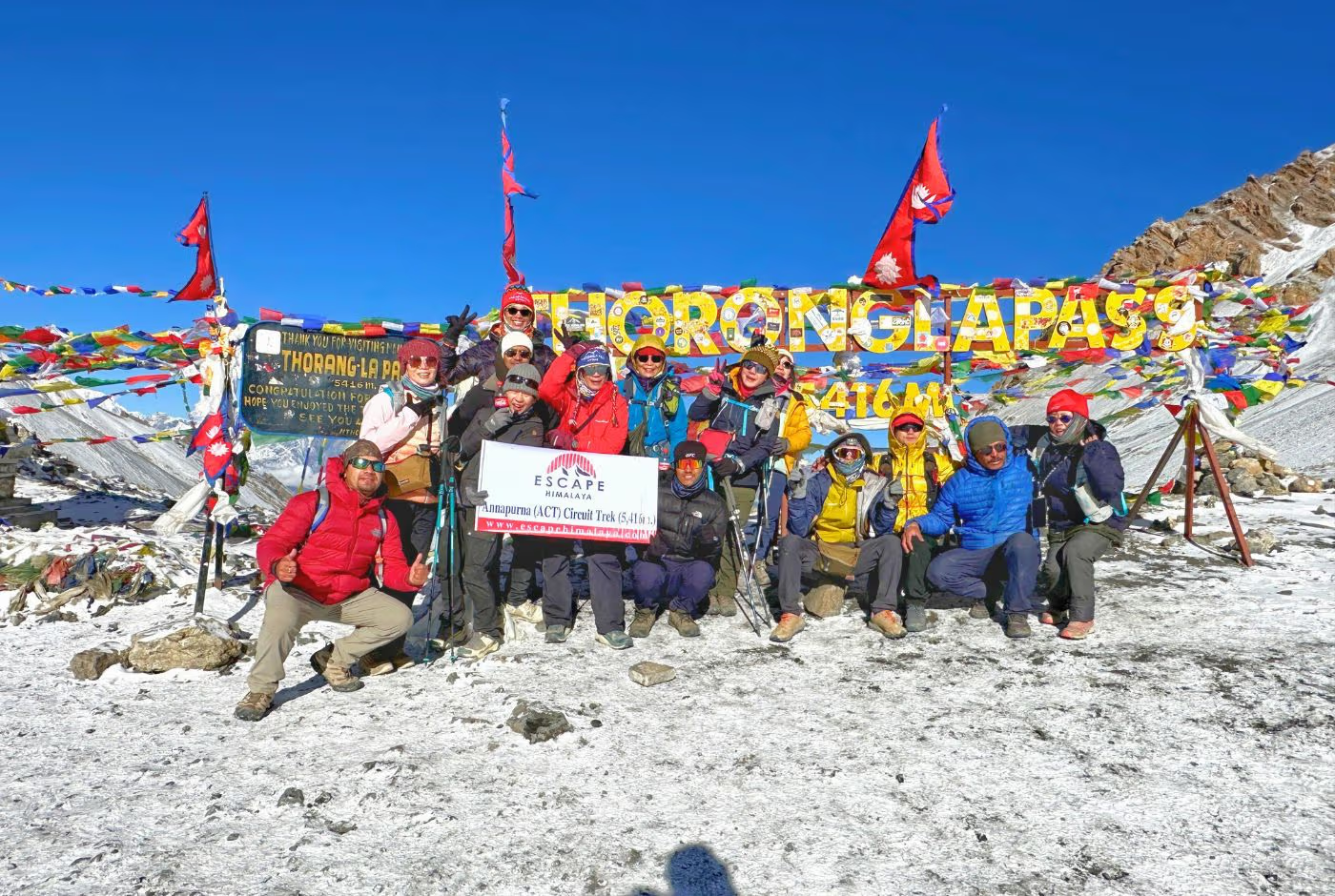
Nepal, the land of high mountains and beautiful valleys, has always attracted travelers and adventure lovers from all over the world. One of the most exciting journeys you can make in Nepal is combining the Annapurna Circuit Trek with the Everest Base Camp Trek and even adding Lobuche Peak Climbing. This trek is not just about walking through mountains; it’s about feeling the culture, seeing the local people, touching snow, and reaching the highest points with your own feet. Here we go, step by step, to understand this amazing adventure.
Beginning with the Annapurna Circuit Trek
The Annapurna Circuit Trek is the start of this great adventure. It is one of the most famous treks in Nepal. People love this trek because it shows so many different things in one trail. Mountains, rivers, waterfalls, forests, small villages, and smiling people. You start from a low altitude, and slowly you go up to Thorong La Pass, which is about 5,416 meters. Along the way, you see Annapurna South, Machapuchhre, and Dhaulagiri. The trek is long, but every day is a new adventure. Some days are easy, some are hard, but the view makes you forget you’re tired. You meet trekkers from all over the world. Tea houses, small shops, hot meals, and local food keep you alive and happy. The mix of short walks, medium climbs, and long, tough days prepares your body for the Everest region.
The villages in Annapurna are amazing. People are very kind. You see Mani walls, prayer flags, monasteries, and big stone houses. The culture here is a mix of Hindu and Buddhist; you learn many things from local guides. The food is simple but tasty. Dal Bhat is the main meal here, with vegetables and sometimes meat. You drink hot tea with milk, perfect after a long walk. Even small bridges over rivers feel like part of an adventure. The sunrise and sunset in the mountains are unforgettable. Every step makes you more ready for the high mountains ahead.
Next Stop: Everest Base Camp Trek
After completing the Annapurna Circuit, you can go to the Everest region. This is completely different. Annapurna is green; Everest is more rocky, snowy, cold, and very high. The Everest Base Camp Trek is a dream for many people. You start from Lukla, a small airport, which is exciting in itself. The plane landing in Lukla is famous for its difficulty. Then you walk to Phakding, Namche Bazaar, Tengboche, Dingboche, and Lobuche. Every village is beautiful, and every moment is an adventure. You see Everest, Lhotse, Nuptse, and Ama Dablam. Ama Dablam is a very beautiful, sharp peak; many climbers take pictures from there. The trekking trail is sometimes steep, sometimes flat, and sometimes rocky. The air is thinner, you feel your heartbeat faster, but the excitement keeps going.
Namche Bazaar is the main hub. You can rest, buy warm clothes, have hot chocolate, and meet other trekkers. Monasteries here show Buddhist culture. Prayer wheels, flags, and local people give a special feeling. The trail from Namche to Tengboche is famous for mountain views. Tengboche Monastery is a big, ancient, and holy place. Every morning sunrise makes mountains glow, white peaks shine, and blue sky a perfect moment. Dingboche is higher, colder, has fewer trees, and has more rocks. You walk slowly, drink water, and rest often. At Lobuche, you feel high mountain life. On the final day to Everest Base Camp, you feel proud, excited, and a little scared. Base Camp itself is rocky, with tents of climbers, flags, and ice. Standing there, seeing Everest, you feel a dream come true.
Adding Lobuche Peak Climbing
If you want more adventure, you climb Lobuche Peak. It is not a small hill; it is 6,119 meters high. Lobuche peak climbing with the Everest base camp trek is more challenging. You need a guide, rope, ice axe, crampons, helmet, boots, and warm clothes. Climbing early morning, sometimes before sun, sometimes in cold wind, hard steps. But view from top, sky close, mountains around, snow below, feeling amazing. Climbing makes the body tired, the mind strong, and the spirit free. After the climb, return to base camp, celebrate with fellow trekkers, and enjoy hot tea, smiles, and photographs. Everyone remember this moment forever. Lobuche is not for beginners; it needs preparation, but the reward is great.
Combination Trek Experience
Combining the Annapurna Circuit and Everest Base Camp with Lobuche Peak is a huge adventure. You see Nepal in a complete way. From green forests, rivers, and terraced fields to rocky mountains, ice, and snow. You meet many types of people and see many types of culture. Food changes, weather changes, trail changes. You need a strong body, a patient mind, and a flexible plan. But every difficulty gives a new story, a new experience, and a new memory. Trekking long days, sleeping in tea houses, waking up early, sunrises on mountains, small rivers, waterfalls, and clouds in valleys make you feel alive. The mix of short and long walks, medium climbs, extreme cold, snow, and warm sun makes for a perfect adventure.
People ask, why not take a helicopter? Yes, a helicopter can take you fast, but trekking is different. Trekking is a journey, not just a destination. You feel every step, every breath, every moment. You learn patience, discipline, and respect. You meet local people, understand culture, taste food, smell mountains, hear birds, feel wind, and touch snow. Helicopters can’t give this. Trekking is a life experience.
Best Time to Trek
The best time for this complete trek is spring and autumn. March to May, September to November. The weather is stable, skies are clear, and mountains are visible. Autumn is also festival time, with many local events and colorful villages. Winter is cold and snow-heavy, and some trails are closed. Summer is monsoon season, with muddy trails and landslide risk. Prepare clothes, boots, gloves, a hat, sunglasses, and warm jackets. Water, food, trekking poles, a map, first aid, and energy bars are important. Even though the mobile signal is weak sometimes, the guide knows the trails. Take some cash, small things useful. A health check before the trek is important. High altitude sickness is possible; acclimatization days are needed.
Why Choose Local Guides and Agencies?
Local guides make the trek safe, easy, and enjoyable. They know trails, weather, culture, villages, and food. They help with permits, accommodation, and porters. Local agencies have experience, proper equipment, and emergency plans. Trekking solo is possible, but the risk is high. Local guides give confidence. The agency helps with logistics, routes, porters, food, and teahouses. They know the best route for the Annapurna-to-Everest combination. They help acclimatization and altitude sickness prevention. They make the trek smooth, fun, and memorable. Choose a registered, experienced agency, not a random one. Safety first, adventure second. Memories last forever.
Trekking Challenges and Tips
Challenges: long walking days, steep trails, rocky paths, cold weather, altitude sickness, limited food options, and fatigue. Tips: walk slowly, rest, drink water, eat small meals, layer clothes, keep your camera ready, and enjoy every moment. Mental strength is important. Sometimes the trail is muddy and slippery, sometimes the snow is hard, and sometimes clouds block the view. Patience needed. Trekking poles help. Proper boots, socks, gloves, a hat, sunglasses, and sunblock are important. Photography is amazing; every step is photo-worthy. Sleep well, eat well, and enjoy tea house culture. Talk with local people, learn culture, and respect traditions.
Equipment and Preparation
Equipment: trekking boots, warm jacket, down jacket, gloves, hats, sunglasses, trekking poles, crampons, ice axe (for Lobuche), helmet, climbing harness, first aid, water bottle, snacks, map, mobile charger, camera, trekking pants, base layers, socks, rain gear, backpack. Preparation: walking long hours, stairs, hills, endurance training, acclimatization knowledge, mental preparation, and group coordination. Health check before trek. Vaccinations are up to date. Fitness training: cardio, leg strength, core, and endurance. High-altitude experience is helpful, not mandatory. Mental readiness is important. A positive mindset, patience, and team spirit are essential.
Culture and Nature Along the Way
Annapurna region: green forests, rice fields, terraced farming, small villages, Hindu culture, temples, and local festivals.
Everest region: rocky, snow, glaciers, Buddhist culture, monasteries, prayer flags, mani stones, local Sherpa people.
You see yaks, Himalayan birds, flowers, rhododendron forests, and ice rivers. Climate changes, temperature drops, and wind picks up. The sun is strong at high altitude, and the reflection from the snow is bright. Mountains majestic, rivers flowing, clouds forming, sky clear. Every village has a story, every person has a smile, and every monastery has a prayer. Nature and culture combined make the trek unforgettable.
Food and Accommodation
Tea houses are small, cozy, and warm. Food is simple but good. Dal Bhat, noodles, momo, soups, vegetables, and eggs. Hot tea, coffee, milk, soup, and biscuits. Rooms are small, warm, and sometimes shared. Bedding simple, blankets warm. Showers are rare at high altitude. Hygiene acceptable. Cooking smoke in teahouses is common. Friendly people, smiling faces, local stories. Food helps recover energy. Water boiled or purified. Snacks during the trek: nuts, chocolate, and energy bars. Celebrate reaching the top with a hot meal, tea, and a photo. Accommodation is cheap and basic and provides a cultural experience.
Mental and Physical Rewards
After long days, steep climbs, snowy trails, cold winds, tired legs, sore backs, hunger, and limited sleep, you reach goals: Thorong La Pass, Everest Base Camp, Lobuche Peak. You feel proud, strong, and alive. Adventure teaches patience, humility, respect, and courage. You meet yourself, discover limits, overcome fears, enjoy nature, make friends, and share stories. Every sunset, sunrise, mountain view, smile of local people, warm tea, and laughter makes the journey meaningful. Memories last forever: photos, videos, and stories. The Nepal adventure, the Annapurna-to-Everest combination, is life-changing.
FAQs
Q1: How long is the Annapurna to Everest Base Camp Trek?
A1: Around 30 to 40 days depending on pace and acclimatization.
Q2: Do I need prior climbing experience for Lobuche Peak?
A2: Some experience is helpful, but with guidance and training, beginners can attempt it.
Q3: Best time to do this trek?
A3: Spring (March-May) and Autumn (September-November) for the best weather.
Q4: Are a guide and porter necessary?
A4: Strongly recommended for safety, logistics, and cultural guidance.
Q5: How difficult is this combined trek?
A5: Moderate to extreme, due to long days, high altitude, and climbing challenges.
Contact to Escape Himalaya
You Can contact Escape Himalaya by using our email address info@escapehimalaya.com We are available at any time. Escape Himalaya will deliver you price-worthy services, professional guides, trained staff, and assistance on every trip.