Key Takeaways
- Smooth access to food shapes satisfaction more than the number of dishes available.
- Frequent, small-batch replenishment keeps food appealing and reduces crowd tension.
- Relaxed seating policies protect the dining mood from feeling rushed.
Introduction
Singapore’s buffet culture no longer revolves around excess alone. Diners now judge value through comfort, rhythm, and ease. A meal can include premium seafood and still feel exhausting if queues dominate the experience. Another buffet may offer fewer headline items yet leave guests relaxed and satisfied. The difference comes from operational choices rather than menu size. The best buffets in Singapore treat dining as a sequence of moments that need space, timing, and restraint.
1. Station Placement Shapes the First Ten Minutes
The opening moments of a buffet set expectations. A crowded entrance station forces diners into lines before they even settle. Sashimi counters placed near doors usually trigger congestion, plate stacking, and rushed movement. Once this tone takes hold, it carries through the rest of the meal.
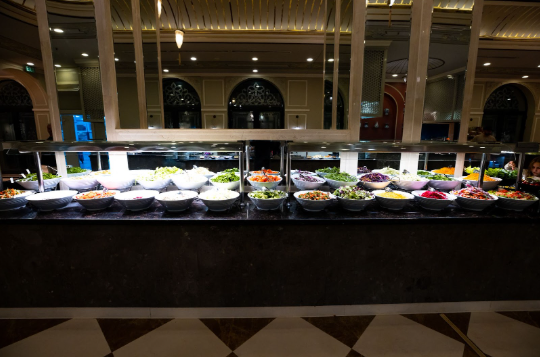
Thoughtful layouts spread demand across the room. Stations placed in clusters encourage circulation rather than crowding. Diners approach food from multiple angles and move naturally without blocking one another. Conversations continue while plates fill. The meal begins calmly instead of competitively.
2. Replenishment Timing Controls Food Quality
Large trays create the illusion of abundance but compromise texture and temperature. Fried items soften. Seafood loses freshness. Heat lamps flatten flavour. Guests notice this quickly, even if they cannot name the cause.
The best buffets rely on small-batch replenishment. Kitchens refresh dishes at short intervals rather than flooding stations. Guests encounter food at its peak without feeling pressured to rush for the last scoop. This rhythm reduces waste and keeps the room moving steadily. Plates look deliberate instead of overloaded.
3. Seating Policy Influences Appetite
Buffets that enforce tight dining windows signal urgency. Staff clear plates quickly. Dessert announcements arrive early. Guests begin checking the clock before their second plate. Appetite drops when attention shifts away from the table.
Well-managed buffets control capacity rather than time. Seating plans allow guests to linger without disruption. Coffee arrives without a reminder. Dessert follows naturally. Guests digest, talk, and pace themselves. Satisfaction grows because the meal respects human rhythm rather than turnover targets.
4. Live Stations Change Behaviour
Self-serve counters encourage accumulation. Diners pile food “just in case.” Live stations interrupt this habit. A cook preparing laksa, pasta, or grilled meat creates a pause. Guests choose portions intentionally and wait briefly.
This interaction changes the psychology of the meal. Diners shift from collecting to ordering. The pace slows. Plates become lighter and more focused. Live stations also distribute crowds evenly, easing pressure on static counters.
5. Beverage Access Protects Flow
Buffets break rhythm when guests chase staff for water or face surprise charges. Each interruption pulls attention away from the table. Small inconveniences compound over a long meal.
Buffets that include basic drinks remove friction. Water, tea, and coffee remain available without negotiation. Guests refill naturally and stay engaged with food and company. The experience feels complete rather than fragmented by transactions.
6. Lighting and Acoustics Matter More Than Décor
Bright lighting exposes movement and queue length. Loud rooms amplify stress. Even excellent food struggles under these conditions. Successful buffets soften the environment. Warm lighting reduces visual clutter. Controlled acoustics absorb noise. Diners relax subconsciously. Conversations continue at normal volume. The room feels full without feeling hectic.
Conclusion
A satisfying buffet depends on flow, not excess. Station spacing, replenishment rhythm, seating policy, and service design shape how guests feel long after the meal ends. The best buffets in Singapore treat logistics as part of hospitality. Food arrives fresh, movement stays unforced, and time feels generous. When these elements align, diners leave calm, content, and willing to return.
Visit Best Picks to discover lifestyle perspectives on dining options and everyday food experiences in Singapore.