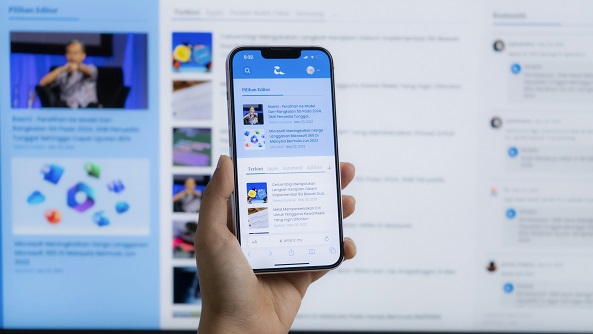
In the contemporary landscape, the ways in which audiences acquire news have transformed significantly from traditional methods. Historically, individuals relied on print media, television broadcasts, and radio programming to stay informed. Newspapers, magazines, and evening news segments served as primary sources, providing carefully curated content designed to inform the public about local, national, and international events. These traditional media outlets established a structured relationship with their audiences, often dictating the flow of information based on editorial decisions and audience preferences. However, with the advent of social media platforms such as Facebook, Twitter, and Instagram, the paradigm of news consumption has experienced a dramatic shift. Social media has emerged as a pivotal source for news in recent years, allowing users to access real-time updates and diverse opinions on current events. This immediacy and accessibility represent a fundamental change in how news is disseminated and consumed, marking a departure from the linear narratives typically presented by traditional media.
The integration of news into social media platforms not only facilitates instantaneous consumption but also encourages sharing among users. This is evidenced by the viral nature of news stories on platforms that allow individuals to contribute content, comment on events, and engage in discussions surrounding them. Social media has thus created a more participatory environment, allowing users to shape public discourse and challenge traditional media authority.
This democratization of news dissemination raises important questions about the reliability, accuracy, and ethics of information shared on these platforms. It compels us to reconsider our understanding of news consumption in the age of social media, where the line between producer and consumer is increasingly blurred and where the speed of information dissemination often outweighs the need for thorough verification.
The Rise of Social Media as a News Source
In recent years, social media has emerged as a dominant platform for news consumption, fundamentally reshaping how individuals access and engage with news content. Traditional news sources, such as newspapers and television networks, have undeniably faced significant competition from social media platforms, including Facebook, Twitter, and Instagram. This transition is evidenced by numerous statistics that illustrate the substantial growth of social media as a preferred medium for news dissemination.
According to a 2021 survey conducted by the Pew Research Center, approximately 53% of U.S. adults reported that they often get their news from social media, a considerable increase from previous years. This trend is further supported by the fact that younger demographics, particularly those aged between 18 to 29, are increasingly reliant on social media for news, with over 71% indicating they utilize these platforms for such purposes. These numbers highlight a significant shift in audience behavior, as the convenience and immediacy of social media enable users to access real-time coverage of breaking news events.
Moreover, social media networks facilitate the sharing of news articles and updates, expanding the reach of information through user-generated content. The virality of posts can rapidly amplify news stories, enabling them to reach a wide audience within minutes. This feature has altered the traditional news cycle, emphasizing quick updates and instant engagement over long-form reporting. Additionally, platforms often curate trending topics and provide personalized news feeds based on user interests, further tailoring the news consumption experience to individual preferences.
However, while social media offers unparalleled access to diverse viewpoints and news sources, it also presents challenges in terms of misinformation and the quality of news content. As such, understanding the implications of social media in news consumption is critical for both consumers and content creators as they navigate this constantly evolving landscape.
User Engagement and Interactivity
In recent years, social media platforms have transformed the landscape of news consumption, primarily through enhanced user engagement and interactivity. This shift allows consumers not only to receive news but also to actively participate in its dissemination. The mechanisms provided by social media, including comments, shares, and likes, have pushed the boundaries of traditional news consumption, offering a more dynamic and interactive experience.
One of the most notable features of social media is the comment section, which facilitates a dialogue between news outlets and their audience. This space enables readers to express their views, share personal anecdotes, and challenge the narratives presented, fostering a deeper connection with the news content. Such discussions can lead to varied interpretations and potentially impact the way news stories are perceived and circulated.
Moreover, the capability to share articles with a single click has revolutionized how news is disseminated. When users share content, they are acting as informal curators of information, choosing what to broadcast within their social circles. This viral nature of sharing can amplify stories exponentially, influencing public engagement and even shaping the agenda of news discussions. Users play a crucial role as they contribute to the visibility of stories that may not receive significant attention otherwise.
Likes serve not only as a metric of approval but also as a tool for creators and publishers to gauge audience response. The accumulation of likes can dictate which stories gain traction and can often result in a feedback loop where popular content is consistently promoted over less engaging news. This interactive environment encourages news organizations to tailor their content to audience preferences, which, while beneficial for engagement, may also skew the diversity of viewpoints presented.
The emphasis on interactivity in news consumption through social media signifies a fundamental shift in how individuals engage with current events. By facilitating participation and feedback, social media enhances the overall news experience, making consumers not just passive readers but active participants in the ever-evolving narrative landscape.
Influence of Algorithms on News Exposure
In the modern digital landscape, social media platforms play a crucial role in how users access and engage with news content. Central to this phenomenon is the algorithmic curation of news feeds, which determines what articles and updates appear in a user’s timeline. These algorithms are designed to analyze user behavior, preferences, and interactions, ultimately personalizing the content that users encounter.
The implications of such personalized content are significant. Users are often exposed to news items that align with their existing beliefs and interests, creating a tailored news experience. However, this can result in the formation of echo chambers, where individuals are predominantly exposed to viewpoints that reinforce their ideologies. Instead of encountering a diverse array of perspectives, users may find themselves surrounded by homogeneous content, limiting their understanding of complex issues.
Additionally, the reliance on algorithms for news exposure raises concerns about the potential for misinformation. As algorithms prioritize engagement—prioritizing sensational or polarizing content to capture attention—there is a risk that misleading or factually incorrect information can be widely disseminated. This dynamic not only undermines the quality of news consumption but also poses challenges for public discourse, as users may base their opinions on distorted or incomplete narratives.
In this context, it is essential to understand how algorithms shape our news consumption behaviors. By critically evaluating the sources and content that algorithms promote, users can become more informed consumers of news, thereby enhancing their ability to navigate the complex informational landscape of the digital age.
The Role of Citizen Journalism
The emergence of social media has revolutionized the landscape of news consumption, primarily through the rise of citizen journalism. This phenomenon empowers ordinary individuals to act as reporters, utilizing platforms such as Twitter, Facebook, and Instagram to share information and news updates with a global audience. With the accessibility of smartphones and the internet, anyone can document events as they unfold, thus challenging traditional news outlets that have historically held the monopoly on news dissemination.
Citizen journalists often fill the gaps left by conventional media, offering first-hand accounts and unique perspectives on various issues. Their contributions can lead to a more comprehensive understanding of events, especially in regions where established media may be restricted or biased. For instance, during significant protests or natural disasters, citizen journalism provides real-time updates that can inform not only local populations but also a wider audience, enhancing the overall narrative surrounding these events.
Furthermore, social media facilitates an interactive environment where users can engage with news content. Citizens can provide commentary, share their insights, and challenge the narratives presented by traditional media outlets. This has the effect of diversifying the sources of news, as multiple voices emerge, enabling different perspectives to coexist. However, the rise of citizen journalism also raises concerns regarding the accuracy and reliability of information. Unlike professional journalists, citizen journalists may lack formal training, which can result in the dissemination of misleading or unverified information.
Despite these challenges, the influence of citizen journalism in shaping news consumption is undeniable. As social media continues to evolve, the blend of professional and citizen-generated content will likely redefine how audiences interact with news, making it more participatory and inclusive than ever before.
Challenges of Trust and Credibility in Social Media News
In the contemporary digital landscape, the rise of social media as a primary source of news brings forth significant challenges pertaining to trust and credibility. Given that social media platforms enable rapid dissemination of information, they also facilitate the spread of misinformation and unverified news, leading to increasing skepticism among users. The prevalence of false narratives, sensational headlines, and misleading content often confuses consumers, who may find it difficult to discern accurate reporting from mere speculation or propaganda.
Moreover, social media companies are faced with the profound responsibility of curating content and monitoring the information that circulates on their platforms. Their algorithms, designed to enhance user engagement, often inadvertently promote sensational or controversial stories over reliable news, thereby skewing public perception. This creates a challenge, as users may gravitate towards sources that confirm their biases rather than pursuing varied perspectives from credible journalism.
To navigate the treacherous waters of social media news, users must adopt a critical approach when assessing credibility. It is imperative to verify the authenticity of the sources presenting the information. Consulting established news organizations, scrutinizing the qualifications of the authors, and cross-referencing multiple outlets can provide a more accurate understanding of current events. Additionally, tools and fact-checking organizations dedicated to tackling misinformation can aid users in discerning reliable news. Ultimately, fostering digital literacy and skepticism towards unverified content is essential in enhancing the quality of news consumption in the social media age.
The Impact on Traditional News Outlets
Social media has significantly transformed the landscape of news consumption, challenging traditional news outlets such as newspapers and television broadcasters. One of the most notable impacts is the demographic shift in audience engagement. Younger generations, who are increasingly turning to platforms like Twitter, Facebook, and Instagram for their news, demonstrate a preference for real-time updates and interactive content over traditional news formats. This shift has compelled news organizations to re-evaluate their target demographics and adjust their content accordingly to maintain relevance.
Moreover, the revenue models of traditional outlets have faced unprecedented challenges due to the rise of social media. With the advent of free online content, many consumers have become accustomed to accessing news without subscription fees. As a result, established newspapers and broadcasters have seen a decline in print circulation and advertising revenue. Advertisers are now gravitating towards social media platforms that offer targeted marketing opportunities, leading to a significant loss of funding for traditional news sources. As advertisers redirect their budgets, newspapers and television networks are increasingly exploring alternative revenue streams, such as paywalls, sponsored content, and digital subscriptions.
In response to these challenges, traditional news outlets are adapting their strategies to leverage social media’s capabilities. Many have developed dedicated social media teams to promote news stories, engage audiences, and create shareable content that enhances visibility online. Furthermore, collaborations between traditional news organizations and social media platforms are becoming more common, allowing for a broader dissemination of news while maintaining journalistic standards. Through such adaptations, traditional news outlets aim to reconcile their historical commitment to factual reporting with the evolving dynamics of contemporary news consumption.
Future Trends in News Consumption and Social Media
The landscape of news consumption is continuously evolving, influenced significantly by the rise of social media. As we look towards the future, several trends will shape how individuals access and engage with news content. One noteworthy direction is the integration of emerging technologies such as Artificial Intelligence (AI) and Machine Learning. These innovations will enable platforms to deliver personalized news feeds that cater to individual preferences, thus enhancing user experience and engagement.
Another significant trend is the increasing dominance of video content in news distribution. As short-form video platforms gain popularity, traditional news outlets are adapting by creating more visually engaging content. This shift aligns with audience preferences, particularly among younger demographics who favor interactive and dynamic formats over text-based articles. Consequently, we may see an upsurge in live news coverage and real-time updates, creating a more immediate and immersive news experience.
Furthermore, the emergence of new social media platforms will likely alter the news consumption landscape. These platforms often prioritize community engagement and user-generated content, which can democratize news dissemination but also raises concerns about the authenticity and reliability of the information shared. The challenge for consumers will be to discern credible news amidst the vast array of opinions and unverified reports. As social media continues to expand, media literacy will become ever more essential in navigating these new environments.
Overall, the interplay between news consumption and social media is poised to transform further. Understanding these trends will be crucial for individuals, journalists, and media companies alike as they adapt to a rapidly changing informational ecosystem.
Conclusion: Navigating the New Landscape of News Consumption
As we have explored throughout this blog post, social media has profoundly transformed the way we consume news. Traditional media outlets are no longer the primary gatekeepers of information as real-time updates on platforms like Twitter, Facebook, and Instagram have become increasingly prevalent. This shift allows users access to a wider array of perspectives and stories, but it also presents significant challenges regarding reliability and accuracy.
One of the critical points highlighted is the role of algorithms in shaping news consumption. Social media platforms tailor news feeds based on user preferences and behaviors, which can lead to echo chambers where individuals are exposed predominantly to viewpoints that reinforce their existing beliefs. This phenomenon underscores the importance of critical thinking and media literacy in evaluating the sources and content we encounter on social media.
Furthermore, the speed at which news is disseminated on social media can result in the rapid spread of misinformation. Therefore, it is crucial for users to verify information before accepting it as true. Engaging with multiple sources and considering the credibility of those sources will not only contribute to a more informed public but also enhance understanding of complex issues.
In navigating this new landscape, individuals should strive for a balanced approach to news consumption. By diversifying their information sources, cross-referencing facts, and remaining aware of potential biases, users can foster a more responsible and informed engagement with news. The evolution of news consumption due to social media is not merely a challenge, but an invitation to become smarter and more discerning consumers of information in this vibrant digital age.