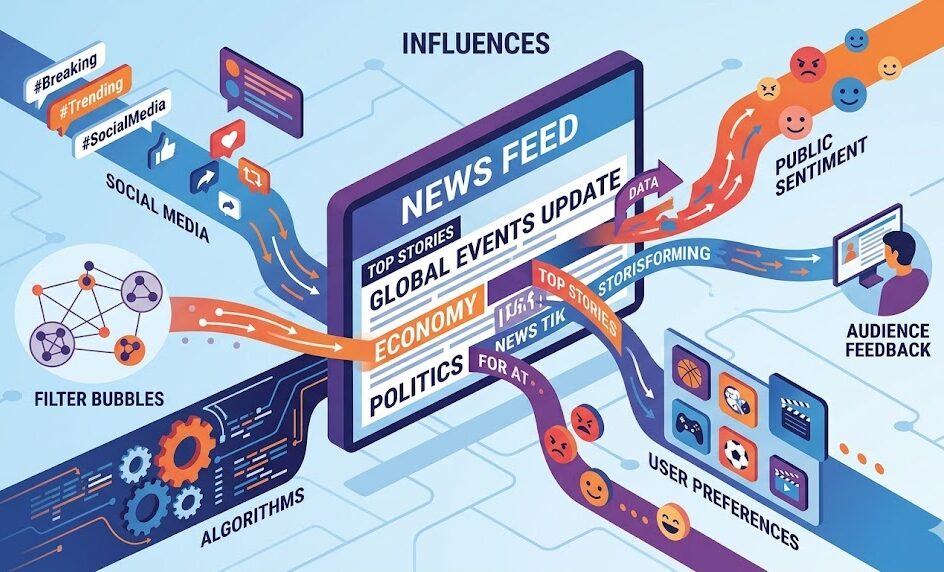
Media ownership shapes the way news is reported and consumed. It’s a powerful force that can influences news content, highlight certain stories while sidelining others, and ultimately dictate what information reaches the public. As media conglomerates grow in size and number, understanding their impact on news content becomes more essential than ever. Have you ever wondered why some stories dominate headlines while others barely get a mention? The answer often lies in who owns the media outlets delivering those stories. Corporate interests, political affiliations, and even personal biases play significant roles in shaping our daily news consumption. In this landscape of shifting power dynamics, recognizing how these influences affect what we read or watch is crucial for an informed society. Join us as we delve into the complex relationship between media ownership and news coverage. We’ll explore how different types of ownership structures come into play, examine case studies that reveal underlying trends, and discuss ethical considerations for journalists navigating this challenging terrain. The world of news may be vast but understanding its roots will empower you to seek out diverse perspectives in your quest for truth.
The Influence of Corporate Ownership on News Content
Corporate ownership plays a significant role in shaping news content. When large corporations control media outlets, their priorities often take precedence over journalistic integrity. Profit motives can lead to sensationalism or the omission of critical stories that might displease stakeholders. Advertisers wield power too; they may influence what gets reported and how it’s framed. This dynamic can create an environment where viewers receive a skewed version of reality, tailored to maintain corporate interests rather than inform the public effectively. Moreover, editorial independence tends to suffer under corporate umbrellas, as decisions become less about truth-telling and more about keeping shareholders happy. The pursuit of ratings and clicks further distorts coverage priorities. As a result, audiences might find themselves consuming news that aligns with specific agendas rather than experiencing balanced reporting on pressing issues.
The Role of Government and Political Influence on Media Ownership
Government and political influence play a significant role in shaping media ownership. Regulations often dictate who can own what, affecting the diversity of viewpoints available to the public. In many countries, media consolidation is encouraged through policies that favor large corporations. This leads to fewer independent voices and a narrower spectrum of news coverage. When only a handful of companies control major outlets, critical stories may be sidelined if they conflict with corporate interests or government agendas. Political affiliations also come into play. Media organizations may lean towards particular parties or ideologies based on their owners’ beliefs. This alignment can skew reporting, impacting how events are covered and which narratives dominate public discourse. Such dynamics raise concerns about objectivity in journalism, as intertwined relationships between government entities and media moguls complicate the quest for unbiased information.
Independent Media Outlets and Their Importance in Providing Unbiased News
Independent media outlets play a crucial role in the modern news landscape. Unlike corporate giants, these organizations prioritize journalistic integrity over profit margins. They often investigate stories that mainstream media might overlook or underreport. This focus on underserved topics helps diversify public discourse and brings essential issues to light. Moreover, independent outlets tend to operate with fewer conflicts of interest. Their funding sources are often more transparent, which allows them to present information without the heavy hand of external influence. Many rely on community support and donations, further connecting them to their audience’s needs and concerns. This grassroots approach fosters trust between journalists and readers, ensuring that stories reflect genuine community interests rather than corporate agendas. In an age where misinformation spreads rapidly, independent media serves as a vital counterbalance, striving for accuracy in reporting while challenging the status quo.
Case Studies: Examples of How Media Ownership Affects News Coverage
One notable example is the coverage of climate change. Major news networks owned by fossil fuel conglomerates often downplay environmental issues. This leads to a skewed public perception, minimizing urgency around crucial topics. Another case involves the reporting of labor strikes. Companies that own media outlets may avoid critical coverage of these events if they conflict with their business interests. Such silence can undermine workers’ rights and diminish important conversations about fair labor practices. Local news stations frequently face pressure from larger corporate entities too. When local stories challenge advertising partners or Influences News Content community relations negatively, those narratives might vanish altogether. Additionally, during elections, media ownership can shape political discourse significantly. Outlets aligned with specific parties may favor certain candidates while dismissing opposing viewpoints as unworthy of airtime. These choices directly impact voters’ understanding and decision-making processes in critical democratic moments.
Ethical Considerations for Journalists in a Climate of Media Consolidation
Journalists today face a complex landscape shaped by significant media consolidation. This environment can challenge their commitment to impartial reporting. With fewer companies controlling vast amounts of information, the pressure to conform can be overwhelming. Journalists often find themselves navigating editorial directives that prioritize corporate interests over objective truth. Maintaining journalistic integrity is crucial. Professionals must remain vigilant against biases introduced by ownership dynamics. Upholding ethical standards becomes even more essential in such settings. Transparency is vital as well. Clear disclosure of potential conflicts of interest helps build trust with audiences who increasingly seek authenticity in news coverage. In this climate, collaboration among journalists and independent outlets may foster diverse perspectives. By sharing resources and insights, they can counteract some Influences News Content exerted by larger corporations while enhancing their ability to deliver balanced narratives.
Conclusion:
Media ownership plays a significant role in shaping the news landscape. The concentration of media outlets in the hands of a few corporations can lead to biased reporting and limited perspectives on critical issues. Corporate owners often prioritize profit over journalistic integrity, affecting what stories are told and how they are framed. Government influence also cannot be overlooked. Political agendas can sway editorial decisions, resulting in coverage that aligns more with specific interests than with unbiased reporting. This creates an environment where readers may struggle to find reliable information. On the other hand, independent media outlets serve as essential players by filling gaps left by larger networks. They strive to offer balanced news coverage, giving voice to underreported communities and ideas. Case studies demonstrate clear examples of how these dynamics unfold in real-world scenarios. Various instances show shifts in narrative due to ownership changes or political pressures, illustrating just how crucial it is for consumers to critically evaluate their news sources. Ethical considerations weigh heavily on journalists who navigate this complex terrain. Maintaining integrity while working within large organizations presents challenges that many must confront daily. As audiences become increasingly aware of these influences on news content, understanding media ownership becomes vital for discerning fact from agenda-driven narratives. Where we get our information matters—being informed is not just about consuming but questioning who tells the story and why.