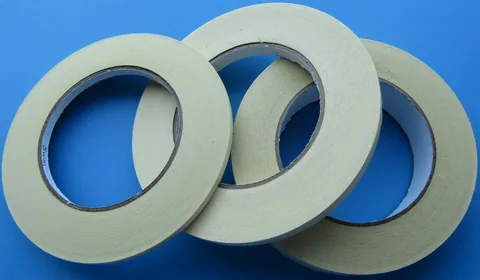
In the fast-paced world of manufacturing, where efficiency, precision, and quality are paramount, many companies overlook the importance of the small details. When it comes to maintaining high standards of production, it’s easy to focus on big-ticket items like machinery, production schedules, and raw materials, while materials like masking tape are often treated as an afterthought. However, this mindset can be detrimental to product quality and overall operational efficiency.
Factory masking tapes, while seemingly simple, play a critical role in the manufacturing process. They are essential for a variety of tasks, from protecting sensitive surfaces to ensuring clean paint lines, and even aiding in temporary holding during assembly. The role of masking tapes goes far beyond just a means of securing surfaces—they are a vital tool in ensuring consistent, high-quality manufacturing outcomes.
This article explores why factory masking tapes are crucial for maintaining high standards in manufacturing and why their importance should not be underestimated.
Masking Tapes Are More Than Just a Convenience
Many manufacturing processes rely on masking tapes for tasks such as painting, coating, surface protection, and even assembly. Traditionally, these tapes are seen as convenient, temporary solutions to facilitate work. But the truth is, factory masking tapes are fundamental to achieving high levels of accuracy, consistency, and efficiency in manufacturing. Without the right masking tape, the entire production process can be compromised.
Why masking tapes are more than a “nice-to-have” item:
- Precision: Masking tapes allow for sharp, clean lines in paint or coating applications, which is vital for product appearance and performance.
- Protection: They prevent damage to sensitive surfaces during production, reducing the need for rework or repairs.
- Efficiency: High-quality masking tapes contribute to faster, smoother operations by simplifying complex tasks, like temporary adhesion and surface preparation.
By ensuring proper masking during key stages of production, these tapes support the overall quality of the finished product, making them indispensable.
Cleanliness and Precision: The Core of Quality Manufacturing
In many industries, product defects due to poor paint lines, uneven coating, or surface imperfections can result in costly rework or even product recalls. Masking tapes help eliminate these risks by providing precision and cleanliness in applications that require accuracy. Without proper masking, manufacturing processes can easily lead to imprecise or sloppy work that affects the product’s functionality and appearance.
How masking tapes ensure precision:
- Clear, clean edges in painting or coating processes, avoiding overspray or paint bleed-through.
- Surface protection during cutting, grinding, or assembly to prevent accidental damage.
- Preventing errors in tasks like sealing or temporary holding, ensuring a more consistent outcome.
Factory masking tapes offer a precise, efficient method for maintaining high-quality standards, ensuring that production processes meet customer expectations and regulatory requirements.
Reducing Rework and Waste in Manufacturing
Rework and waste are the enemies of efficiency in any production environment. The more errors that need to be corrected, the higher the costs and time spent on the project. Low-quality masking tapes can increase the likelihood of errors, leading to product defects, material wastage, and unnecessary labor costs.
By upgrading to high-quality factory masking tapes, manufacturers can reduce the risk of product defects caused by poor masking, thereby minimizing rework and waste.
How masking tapes reduce rework and waste:
- Consistency in application results in fewer mistakes and less need for touch-ups.
- Reduced material waste from overspray or paint spills.
- Decreased labor costs spent on correcting errors or repairing damaged products.
Incorporating factory masking tapes into production processes helps businesses streamline operations and significantly cut down on waste, leading to more efficient use of resources and improved bottom-line results.
Improved Safety and Quality Control
In some manufacturing environments, especially those involving hazardous materials, factory masking tapes are used to shield certain areas from contamination. Masking tapes are essential for protecting sensitive components or equipment from dirt, dust, or spills, which could otherwise cause damage or compromise product quality.
Safety and quality control advantages:
- Minimizes contamination by isolating critical areas during production.
- Prevents damage to components from chemicals, oils, or other environmental factors.
- Ensures clean surfaces for assembly or further processing, leading to fewer defects.
By helping to maintain a clean and safe production environment, factory masking tapes play a direct role in enhancing quality control and safety standards within manufacturing operations.
Simplifying Temporary Adhesion and Holding Tasks
In many manufacturing applications, parts or materials need to be temporarily held in place during assembly or production. Traditional methods like clamping or welding can be time-consuming and costly. Factory masking tapes, on the other hand, provide a quick and easy solution to temporarily hold components in place without the need for additional tools or labor.
How masking tapes aid in fast changeovers
- Quick and easy application without the need for heavy machinery.
- No residue left behind upon removal, ensuring clean surfaces.
- Minimal impact on production flow compared to other methods of temporary adhesion.
By offering an efficient, cost-effective method for temporary adhesion, factory masking tapes help manufacturers streamline their workflows and reduce time spent on setup and assembly tasks.
Masking Tapes as a Versatile, Cost-Effective Solution
While masking tapes may seem like a small investment, their versatility and cost-effectiveness make them an essential tool for nearly every manufacturing process. Whether it’s for painting, surface protection, or temporary adhesion, high-quality masking tapes provide the flexibility to address a variety of challenges without the need for multiple specialized products.
Why masking tapes are cost-effective:
- Affordable: Masking tapes are low-cost, high-performance tools that provide significant value for the price.
- Multi-purpose: One product can address a range of tasks, eliminating the need for multiple different materials.
- Time-saving: Easy application and removal save time, reducing labor costs and production delays.
The cost-effectiveness and versatility of factory masking tapes make them a smart investment for manufacturers looking to improve quality and efficiency without overspending.
Closing Perspective: The Crucial Role of Factory Masking Tapes in Manufacturing Success
While factory masking tapes may seem like a simple, everyday material, their impact on manufacturing efficiency, quality, and cost cannot be overstated. These tapes help ensure precision in critical processes, prevent waste and rework, enhance safety, and improve overall production speed.
If you’re looking to maintain consistent, high-quality manufacturing, it’s time to recognize the value of upgrading to high-quality factory masking tapes. These essential tools are a small but powerful investment in improving your manufacturing processes and ensuring that your products meet the highest standards. Whether it’s for surface protection, clean paint lines, or temporary adhesion, factory masking tapes are a crucial part of achieving operational excellence.