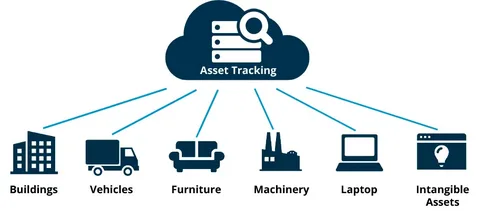
In today’s fast-paced and data-driven environment, businesses depend on the efficient management of their assets. Whether it’s machinery, inventory, vehicles, or critical infrastructure, tracking and managing assets is fundamental to operational success. Traditional asset tracking systems—such as barcodes, manual logs, and basic spreadsheets—have long been the backbone of asset management. However, as organizations scale and their operations become more complex, these outdated systems can become a bottleneck rather than a benefit.
The limitations of traditional asset tracking methods can impact everything from day-to-day operations to long-term strategic decisions. While they may suffice for small operations with few assets, they struggle to keep up with the demands of modern business needs, especially when it comes to ensuring real-time visibility, predictive maintenance, and data accuracy.
The following points outline the signs that traditional asset tracking is no longer enough and why businesses need to consider upgrading to more sophisticated, automated solutions like a critical asset monitoring solution.
How traditional asset tracking limits operational efficiency
Traditional asset tracking is based on manual input and simple identification methods. While this may have worked in the past, the speed and complexity of modern operations demand more sophisticated solutions that provide real-time data and predictive insights.
Many companies continue to use outdated systems simply because they have always worked—or they haven’t yet recognized the cost of maintaining them.
Why traditional methods aren’t enough
Manual processes and outdated tools can no longer meet the expectations of modern asset management.
- Data entry is slow and prone to error
- Real-time asset status and location are not always available
- Maintenance schedules depend on reactive, not predictive, data
- Reporting is time-consuming and often inaccurate
As operations grow, the reliance on outdated systems introduces inefficiencies that snowball, affecting everything from labor costs to product quality.
1. Inaccurate or delayed data leads to costly mistakes
Traditional asset tracking methods often rely on manually inputting data, which can lead to mistakes or delays in real-time updates. Without real-time visibility, asset status can be outdated by the time it is accessed, causing mistakes like misallocation, lost productivity, or even asset failure.
Why delayed data is detrimental
- Decision-making is based on outdated or incomplete information
- Scheduling and maintenance become reactive instead of proactive
- Resources are misallocated, leading to inefficiencies
Critical decisions made on outdated data can result in operational failures, missed opportunities, and increased costs.
2. Lack of visibility into asset health
Traditional asset tracking methods typically rely on physical inspection or rudimentary tracking devices to monitor the condition of assets. These inspections happen periodically and are based on fixed schedules, often overlooking issues between inspection points. Without real-time monitoring, businesses cannot anticipate asset failures or downtime until it’s too late.
How limited visibility affects operations
- Assets may fail unexpectedly due to wear or damage
- Downtime becomes unpredictable, disrupting operations
- Maintenance is scheduled too late, causing avoidable repairs
A critical asset monitoring solution ensures that assets are constantly monitored, providing real-time data on condition, performance, and potential issues before they become critical.
3. Increased risk of asset loss or theft
Without a modern asset tracking system, it’s difficult to maintain precise control over asset location and movement. Traditional methods like manual logging or barcode scanning don’t provide real-time tracking, leaving assets vulnerable to loss, misplacement, or theft, particularly when assets are on the move or being shared between departments.
How lack of real-time tracking leads to inefficiency
- Assets are difficult to locate when needed
- Tools, machinery, or inventory go missing without notice
- Resource allocation becomes guesswork
A modern asset tracking system allows for continuous, real-time location updates, significantly reducing the risk of asset loss and improving overall operational efficiency.
4. Poor integration with other business systems
Traditional asset tracking systems are often siloed and do not integrate seamlessly with other parts of the business. Inventory, procurement, and maintenance teams might use different systems that don’t communicate with each other, leading to inefficiencies and discrepancies.
Why system integration matters
Lack of integration leads to:
- Manual data transfer between systems
- Increased chances of human error
- Slow response times to issues
- Fragmented reporting
An integrated critical asset monitoring solution enables seamless communication between all departments, streamlining workflows and providing a more holistic view of asset management.
5. Limited scalability as operations grow
As businesses expand, their asset base grows. Traditional asset tracking systems, designed for smaller operations, struggle to scale effectively. Adding more assets to these systems can overwhelm employees, complicate data management, and lead to inefficiencies that hinder growth.
Challenges of scaling with traditional systems
- Increased manual labor to manage more assets
- Slowdowns in data entry and retrieval
- Difficulty in standardizing processes across locations or teams
Upgrading to an advanced asset monitoring solution ensures scalability. These solutions are designed to grow with your operations, handling more assets, more data, and more complexity without adding extra workload.
6. Inability to conduct predictive maintenance
Predictive maintenance, which reduces downtime and extends asset life, requires continuous data collection and analysis. Traditional systems rely on scheduled checks or react to failures, making predictive maintenance difficult. By the time an issue is identified, it may already cause significant downtime or expensive repairs.
How predictive maintenance prevents costly failures
- Detects patterns in asset performance over time
- Alerts teams before failures happen
- Reduces the need for expensive repairs
A critical asset monitoring solution enables predictive maintenance by providing real-time data and advanced analytics to spot potential issues before they become catastrophic.
7. Higher operational costs due to inefficiency
All of the above challenges contribute to an increase in operational costs. Delayed or inaccurate data, poor asset visibility, and inefficient maintenance increase overhead. Production lines slow down, work orders pile up, and asset downtime becomes more frequent.
Why inefficiency is a hidden cost
- Resources are wasted on searching for assets or fixing problems
- Operations are less coordinated, resulting in slow response times
- Reactive maintenance is more costly than planned, predictive maintenance
By upgrading to a more advanced asset monitoring system, companies can significantly reduce inefficiencies, save on maintenance costs, and streamline workflows.
8. Difficulty in compliance and reporting
For industries with strict regulatory requirements, managing compliance is a challenge with traditional systems. Reports are often manually compiled and prone to error, while ensuring that all assets are up-to-date with compliance standards can be difficult without real-time data.
Why reporting is a pain point with traditional tracking
- Compliance reports take time to prepare
- Errors in reporting lead to compliance violations
- Real-time tracking data is not readily available
A modern critical asset monitoring solution automates compliance tracking and reporting, ensuring accuracy and efficiency.
Closing Perspective: Why Upgrading to a Critical Asset Monitoring Solution Is Essential
While traditional asset tracking systems may have sufficed in the past, they are no longer capable of meeting the demands of modern, fast-paced businesses. Upgrading to an advanced critical asset monitoring solution provides real-time data, predictive insights, and integrated workflows that help reduce downtime, increase asset utilization, and improve overall operational efficiency.
The signs of an outdated system are clear: inconsistent data, higher operational costs, increased downtime, and inefficiency. By moving to a more sophisticated asset management approach, companies can ensure greater reliability, scalability, and long-term success.