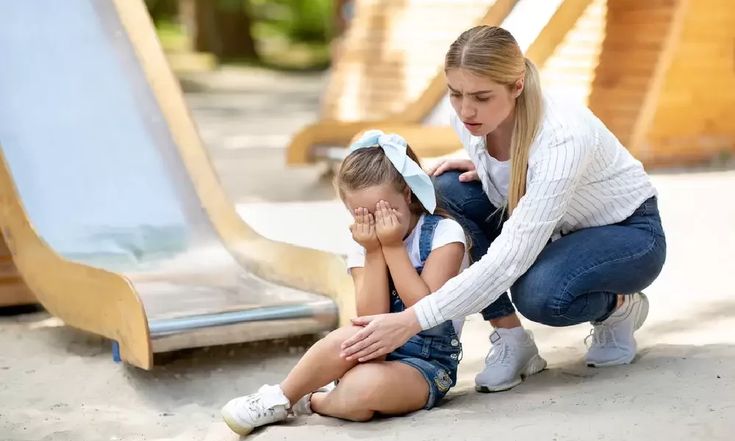
For many children, sports are more than just activities—they’re a source of joy, friendships, confidence, and healthy movement. Whether it’s soccer at recess, gymnastics practice after school, or weekend league baseball, being active is an important part of growing up. However, as participation in organized sports increases, so does the risk of injury. Understanding why these injuries happen, how to recognize them, and how to prevent them can help keep kids safe while still enjoying the games they love.
Why kids are especially vulnerable
Children are not simply “small adults.” Their bones, muscles, and ligaments are still developing, which makes them both remarkably resilient and uniquely vulnerable. Growth plates—areas of developing cartilage near the ends of long bones—are particularly susceptible to injury. Rapid growth spurts can also temporarily affect coordination, flexibility, and balance, increasing the likelihood of falls and strains.
Overuse is another common culprit. Kids who specialize in a single sport early or practice the same movements repeatedly may develop stress injuries, such as tendonitis or stress fractures. On the other hand, traumatic injuries—sprains, fractures, dislocations, or concussions—often result from collisions, falls, or improper technique.
Common types of sports injuries in kids
Some of the most frequent injuries seen in young athletes include:
- Sprains and strains: Damage to ligaments or muscles from twisting or overstretching.
- Fractures: Broken bones from falls or high-impact contact.
- Concussions: Head injuries resulting from blows to the head or body that cause the brain to move quickly.
- Overuse injuries: Conditions like shin splints or Little League elbow caused by repetitive motion.
- Dental and facial injuries: These can occur in contact sports without proper mouth protection.
While many injuries are minor and heal quickly, others require medical evaluation and a structured recovery plan.
Signs parents and coaches shouldn’t ignore
Kids are often eager to get back in the game and may minimize pain. That’s why adults need to watch for red flags, such as:
- Persistent or worsening pain
- Swelling, bruising, or visible deformity
- Trouble bearing weight or using an injured limb
- Dizziness, headache, or confusion after a head impact
- Pain that returns every time the child plays
If any of these are present, stop play immediately and seek appropriate care. When in doubt, err on the side of caution—rest today is better than a long-term setback tomorrow.
Prevention starts before the whistle blows
Preventing injuries doesn’t mean avoiding sports altogether. It means preparing kids to play safely. Helpful strategies include:
- Proper warm-ups and cool-downs: Gentle stretching and light activity before and after practice.
- Age-appropriate training: Skills and drills that match physical maturity.
- Quality gear: Well-fitting shoes, helmets, pads, and especially mouthguards for contact sports.
- Cross-training: Encouraging kids to play multiple sports or vary activities to reduce overuse.
- Rest days: Bodies need recovery time; year-round play without breaks raises injury risk.
For dental trauma prevention, custom or well-fitted mouthguards are extremely useful, and if an injury to the mouth does occur, consulting a pediatric dentist in Portland can help protect both oral health and a child’s smile.
Healing the body—and the mind
Recovery from a sports injury is about more than physical healing. Kids may also feel left out, frustrated, or worried about losing skills or their spot on the team. Emotional support is essential. Reassure them that resting is part of being an athlete and that many professionals—even their sports heroes—take time off to heal.
A healthcare provider may recommend rest, physical therapy, bracing, or temporary activity modification. Follow instructions closely and avoid rushing the return to play. “Pushing through pain” can turn a minor injury into a major one.
Returning to the game safely
Before a child returns to sports, they should:
- Be pain-free with full range of motion
- Have medical clearance for significant injuries
- Gradually rebuild strength and endurance
- Practice proper technique to avoid re-injury
Celebrate small milestones along the way—first pain-free practice, first full drill, or first game back. This builds confidence as well as strength.
The big picture
Sports are incredibly beneficial for children, teaching teamwork, discipline, resilience, and joy in movement. Injuries are sometimes part of the journey, but with awareness, preparation, and support, most kids recover well and continue to thrive.
By understanding how sports injuries happen, recognizing warning signs, and prioritizing prevention, parents and coaches can help ensure that playtime stays fun—and that when it does hurt, kids get the care they need to get safely back in the game.