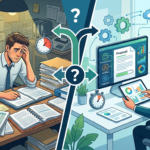
Recovery doesn’t end when someone walks out of a treatment facility. In many ways, that’s when the real work begins.
For families and individuals navigating life after rehab, the question isn’t just “Did treatment work?” It’s “What does healing actually look like now?” Long-term healing is rarely dramatic. It’s not a single breakthrough moment or a perfectly clean slate. It’s steady, sometimes quiet progress. It’s learning how to live differently in a world that hasn’t changed—while you have.
Across the country, and especially in conversations around Substance Disorder Treatment in PA, there’s a growing recognition that recovery is not an event. It’s a process that unfolds over months and years. Understanding what that process truly involves can help people set realistic expectations—and avoid unnecessary discouragement.
The Shift From Sobriety to Stability
Early recovery often focuses on abstinence. That makes sense. The body and brain need time to stabilize. Physical health may need attention. Sleep patterns must normalize. Emotions, once numbed or amplified by substances, begin to return.
But long-term healing goes beyond sobriety.
It involves building stability—financial, emotional, relational, and psychological. Someone may be sober for six months and still feel lost. That’s normal. Healing includes rediscovering identity: Who am I without substances? What do I enjoy? What do I value? What kind of relationships do I want?
These questions can feel overwhelming at first. Many people in early recovery describe feeling like they’re starting over. In a way, they are. But starting over doesn’t mean starting from nothing. It means starting from experience—with hard-earned insight and resilience.
Repairing Relationships Takes Time
One of the most visible parts of long-term healing is rebuilding trust.
Addiction often strains relationships. There may have been broken promises, financial stress, emotional distance, or deep hurt. While treatment may open the door to accountability, genuine repair happens gradually.
Family members also go through their own healing process. They may carry resentment, fear, or lingering anxiety about relapse. Honest conversations, boundaries, and consistency over time are what rebuild confidence.
In communities discussing Substance Disorder Treatment in PA, family involvement is often emphasized as a crucial part of sustainable recovery. Not because families can “fix” anything—but because healing within a support system increases resilience. Recovery rarely thrives in isolation.
Mental Health: The Ongoing Work
Many people entering treatment are also navigating anxiety, depression, trauma, or other mental health challenges. Long-term healing requires continued attention to these underlying issues.
This may mean ongoing therapy. It may involve support groups. It might include medication management. Or it may be a combination of approaches tailored to the individual.
What’s important is understanding that emotional health doesn’t automatically resolve when substance use stops. In fact, some symptoms can feel more intense in early sobriety. That doesn’t mean treatment failed. It means the person is now feeling emotions without numbing them.
Learning coping strategies—healthy ways to respond to stress, conflict, and disappointment—is a lifelong skill-building process. Over time, these tools become more natural. But in the beginning, they require conscious effort.
Redefining Daily Life
Healing becomes visible in everyday routines.
It shows up in someone waking up on time for work. In keeping appointments. In cooking dinner instead of skipping meals. In paying bills on schedule. These may sound small, but consistency in daily life builds confidence.
Structure is often a cornerstone of long-term recovery. Schedules, accountability, and meaningful activities reduce the mental space where cravings and negative thought patterns can grow.
In Pennsylvania and beyond, conversations around Substance Disorder Treatment in PA increasingly highlight the importance of community-based resources after formal treatment ends. Local support groups, recovery meetings, educational programs, and volunteer opportunities can provide structure and purpose.
Purpose, in particular, is powerful. Many people find that giving back—mentoring others, sharing their story, or participating in advocacy—strengthens their own commitment to healing.
Understanding Relapse Without Shame
A realistic conversation about long-term healing must address relapse.
Relapse can happen. It doesn’t erase progress. It doesn’t mean someone is incapable of recovery. Often, it signals that something in the recovery plan needs adjustment.
The key difference in long-term healing is how relapse is handled. Instead of spiraling into guilt or secrecy, individuals who have developed strong support systems are more likely to reach out quickly. They may re-engage in therapy, increase meeting attendance, or revisit coping strategies.
Shame tends to prolong relapse. Accountability, when paired with compassion, shortens it.
Communities that treat addiction as a health issue rather than a moral failure create safer environments for people to seek help again if needed.
Physical Health as a Foundation
Long-term substance use can affect nearly every system in the body. Healing physically may take months or years, depending on the substance and duration of use.
Nutrition, exercise, hydration, and sleep become foundational. These basics are sometimes overlooked in discussions about recovery, but they significantly impact mood and energy levels.
Regular medical check-ups are also important. In broader conversations about Substance Disorder Treatment in PA, integrated care models—where physical and behavioral health are addressed together—have gained attention. Treating the whole person rather than isolating symptoms leads to more sustainable outcomes.
When someone feels physically stronger, they are better equipped to handle emotional and psychological challenges.
Identity and Self-Worth
Perhaps the most profound part of long-term healing is the restoration of self-worth.
Addiction often brings guilt and self-criticism. People may define themselves by their lowest moments. Recovery challenges that narrative.
Over time, individuals begin to see themselves not as “an addict” but as a parent, artist, worker, friend, student, or community member who happens to be in recovery. Language matters. Identity matters.
Therapy, peer support, and personal reflection help reshape this internal story. Instead of asking, “What’s wrong with me?” the question becomes, “What happened to me, and how do I move forward?”
Long-term healing is deeply tied to self-compassion. It doesn’t excuse harmful behavior, but it acknowledges humanity. Growth becomes possible when someone believes they are worthy of it.
Financial and Career Rebuilding
Practical stability is another dimension of recovery.
Addiction may disrupt employment or education. Long-term healing can include returning to school, pursuing vocational training, or rebuilding a career path.
This process requires patience. Gaps in employment history or legal challenges may create obstacles. But many individuals find that the discipline and resilience developed in recovery become strengths in the workplace.
Financial responsibility also plays a role in rebuilding confidence. Managing money, paying debts, and planning for the future reinforce a sense of control.
The Role of Community
Isolation fuels addiction. Connection supports recovery.
Long-term healing thrives in environments where individuals feel seen and understood. That may be through recovery meetings, faith communities, sports leagues, book clubs, or neighborhood groups. The specific setting matters less than the sense of belonging.
Pennsylvania’s diverse communities—urban, suburban, and rural—each offer different forms of support. Conversations around Substance Disorder Treatment in PA often highlight the importance of making recovery resources accessible across these varied settings.
When communities openly discuss addiction without stigma, individuals are more likely to seek help early and stay engaged in long-term care.
Healing Isn’t Linear
There will be strong months and difficult weeks. Progress may feel invisible at times.
A person might celebrate one year of sobriety and still struggle with anxiety. They may feel confident professionally but uncertain in personal relationships. Healing doesn’t unfold evenly across every area of life.
What matters is direction, not perfection.
Long-term recovery often becomes less about “not using” and more about building a life that makes substance use less appealing. When someone feels connected, purposeful, and emotionally supported, the pull of old patterns weakens.
What Families and Loved Ones Should Know
For families, understanding long-term healing requires adjusting expectations.
Recovery doesn’t happen on a fixed timeline. Avoid measuring progress solely by milestones. Instead, look for consistency, honesty, and willingness to seek support.
Boundaries remain important. Supporting someone in recovery doesn’t mean eliminating consequences. It means encouraging responsibility while offering empathy.
Families also benefit from their own support networks. Healing is collective. When loved ones address their own stress and trauma, the entire system becomes healthier.
The Quiet Markers of Success
Long-term healing is often subtle.
It’s someone calling a friend instead of isolating.
It’s choosing to leave a stressful situation rather than escalate it.
It’s admitting when they’re struggling instead of pretending everything is fine.
It’s showing up—again and again—even when motivation feels low.
These quiet decisions accumulate. Over time, they form a new pattern of living.
Recovery stories are rarely dramatic after the first chapter. They are built from ordinary days handled with new tools.
A Broader Cultural Shift
There’s a noticeable shift in how society views addiction. Increasingly, it’s understood as a complex health condition influenced by biology, environment, and experience. This shift reduces stigma and encourages people to seek help earlier.
In Pennsylvania, discussions surrounding Substance Disorder Treatment in PA reflect this broader change. Emphasis on prevention, education, mental health integration, and long-term community support suggests a more comprehensive approach to healing.
This cultural evolution matters. When recovery is normalized, individuals no longer feel defined by their past.
Moving Forward, One Season at a Time
Long-term healing after addiction treatment isn’t about returning to who someone was before substance use. It’s about becoming someone new—often stronger, more self-aware, and more compassionate.
It includes setbacks and breakthroughs. It requires humility and courage. It demands consistency more than intensity.
And perhaps most importantly, it reminds us that recovery is not a destination. It’s a way of living.
For those navigating life after treatment, the road may feel uncertain. But healing doesn’t require perfection. It requires participation—showing up, asking for help, staying connected, and choosing growth over avoidance.
Over months and years, those choices shape a life that feels not just sober, but meaningful.
That is what long-term healing really looks like.