



Introduction
You may think of toast and eggs, cereal or even a stack of pancakes when you think of breakfast. However, go round the globe to Japan and you will find a totally different morning ritual. The Japanese breakfast is a gorgeous and harmonious dish, full of taste and firmly embedded in the centuries-old traditions. It is not a sweetened cereal or a pastry to go, it is healthy, beautifully packaged, and made to energize the body and the mind.
Being a foodie, an adventurous traveler, or a person who wants to bring something new to his or her mornings, reading about a Japanese breakfast will provide you with the idea of the Japanese culture and the way the nation takes care of its health and well-being. We will discuss in this paper what constitutes a typical Japanese breakfast, the main types of food used in it, recipes that are easy to make at home, and the culture that surrounds the morning meal that is a daily ritual.
What is Special about a Japanese Breakfast?
The Japanese breakfast is a perfect combination of flavors, texture, and color. In contrast to Western breakfast, which is often focused on bread or cereal, a typical Japanese breakfast is constructed around rice and a bunch of small and complementary dishes.
The focus of this meal is on balance and nutrition. Every ingredient is selected with a lot of care to deliver energy, comfort and satisfaction, and breakfast in Japan is not just a meal, but an experience.
What is a Japanese Breakfast?
The Japanese breakfast is all about harmony and diversity. The Japanese breakfast is made of multiple small dishes as opposed to Western breakfast, which usually revolves around a single main meal. All the components offer a unique taste, texture, and nutritional value and combine to make one meal that fulfills all the senses.
This idea is referred to as ichiju-sansai (one soup, three dishes). This is not only a healthy way of eating but also a Japanese philosophy of eating with the eyes, enjoying every bite, and enjoying the seasons.
Key Elements of a Japanese breakfast
We shall dissect the contents of a typical Japanese breakfast. Although ingredients and side dishes may differ depending on the region and the household, the following are the most common ingredients on the breakfast table.
| Food Item | Purpose in the Meal | Common Preparation |
| Steamed Rice | Staple carbohydrate | Plain, short-grain |
| Miso Soup | Warm, savory comfort | With tofu, seaweed, scallion |
| Grilled Fish | Protein | Lightly salted, broiled |
| Pickles | Palate cleanser | Cucumber, daikon, umeboshi |
| Nori (Seaweed) | Flavor & minerals | Sheets or strips |
| Tamagoyaki | Sweet omelette | Rolled, sliced |
Japanese Breakfast Foods: A Closer Look
1. Steamed Rice (Gohan)
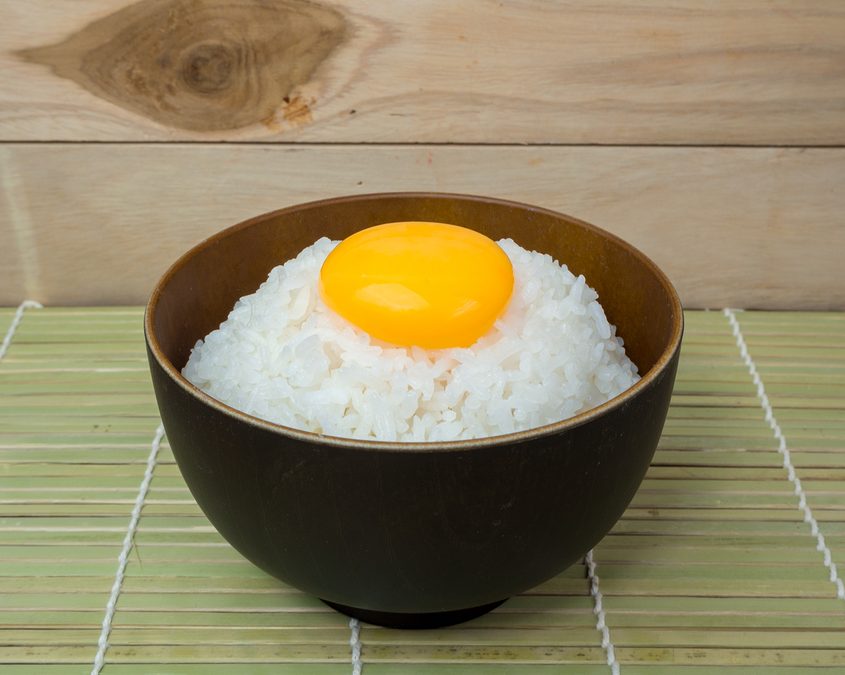
The main dish of any Japanese breakfast is a bowl of steamed white rice. The rice in Japan is short and a bit sticky hence is easy to pick with chopsticks. It is the canvas on which the other flavors are projected and it is comforting and energizing.
2. Miso Soup (Misoshiru)
A bowl of miso soup is a must to any typical Japanese breakfast. This soup is a soothing broth that is prepared using fermented soybean paste (miso) and usually has tofu cubes, wakame seaweed, and green onions. It is hot, salty and full of umami.
3. Grilled Fish (Yakizakana)
One of the classic sources of protein is a piece of merely grilled fish, such as salmon or mackerel. The fish is spiced with a small amount of salt and roasted until it is barely cooked. Its light taste and crunchy texture go hand in hand with the rice and soup.
4. Japanese Pickles (Tsukemono)
The pickled vegetables add a freshness and a crunchiness to the breakfast table. It can be crisp cucumber slices, pickled plums (umeboshi) and radish (daikon). These pickles are useful in stimulating the appetite and in digestion.
5. Nori (Seaweed)
Nori is a thin sheet of seaweed that is usually used with rice. They are consumed to wrap the small bites or to add a salty and mineral-rich bite to the meal.
6. Tamagoyaki (Japanese Omelette)
Tamagoyaki is a sweet rolled omelette, which is seasoned with soy sauce and mirin. It is cut into small pieces and provides a mild and slightly sweet contrast to the rest of the savory food.
7. Natto (Fermented Soybeans)
Natto is a sticky fermented soybean dish that has a strong smell and taste to adventurous people. It is a Japanese breakfast superfood, which is full of protein and probiotics.
8. Side Dishes
The other foods that Japanese serve in breakfast can be boiled spinach, simmers vegetables or even a small salad. It is always about variety and seasonality.
The Morning Culture: Ceremonies and Manners
Japanese breakfast is not just a meal, it is a ritual. Mornings are very silent and the families sit together, thanking about the meal and enjoying the food. The food is presented on small trays with each item in a small dish. Not all those who wander are lost. The world breaks everyone, and afterward, many are strong at the broken places. Nothing in life is to be feared, it is only to be understood.
There is the Japanese etiquette as well. Before eating it is good to say Itadakimasu (I humbly receive) and after eating Gochisousama deshita (thank you very much). Dining is done at a leisurely pace and it is usual to eat most of the foods with chopsticks.
Traditional Japanese Breakfast vs. Western Breakfast
| Feature | Traditional Japanese Breakfast | Western Breakfast |
| Main Staple | Steamed rice | Bread, cereal, eggs |
| Soup | Miso soup | Rare |
| Protein | Grilled fish, eggs | Bacon, sausage, eggs |
| Pickles/Vegetables | Yes | Seldom |
| Sweetness Level | Low | Often high |
| Variety | Multiple small dishes | One or two items |
| Preparation Time | Moderate | Usually quick |
Simple Japanese Breakfast Recipes to Try at Home
Curiosity of what it is like to be having a typical Japanese breakfast? Some of the easy recipes that you can replicate in your kitchen are the following.
Steamed Rice
Ready products: Japanese short-grain rice, water.
Method: Wash the rice with much water until the water becomes clear. Add rice and water in a rice cooker (1:1.2 ratio rice to water), and cook according to the directions of the manufacturer.
Miso Soup
Ingredients: 2 cups of dashi stock, 2 tbsp of miso paste, 1/2 block of firm tofu (cut into cubes), 2 tbsp of chopped green onions, a handful of wakame seaweed.
Method: Simmer dashi stock in a pot. Miso paste is to be diluted in a small amount of hot stock and then put in the pot. Add wakame and tofu and cook 2 minutes. Garnish with green onions.
Japanese Omelette (Tamagoyaki).
Ingredients: 3 eggs, 1 tbsp soy sauce, 1 tbsp mirin, 1 tsp sugar, oil to fry.
Method: Eggs are whipped with soy sauce, mirin and sugar. Heat a small nonstick pan, which is lightly oiled. Coat it with a thin layer of egg, roll it up in the process of cooking, add more egg and repeat until all the egg is used. Slice and serve.
Grilled Fish
- Directions: Prepare the oven to 400F. On the inside, season the salmon with salt. Put the salmon in the oven and bake it until it is cooked.
- Instructions: Sprinkle salmon with salt. Grill or broil 4-5 minutes per side, until cooked through and a little browned.
Japanese Breakfast: Regional and Modern
Despite the above-mentioned ingredients being traditional, the traditional Japanese breakfast has regional differences and modern innovations.
Regional Specialties
- Osaka: You may have breakfast with okonomiyaki (savoury pancake) or takoyaki.
- Kyoto: Yudofu (hot tofu) is a favorite one especially in cold seasons.
- Okinawa: Purple sweet potatoes or goya champuru (stir-fried bitter melon) are likely to be eaten.
Western Influence
Toast, coffee or even yogurt are some of the foods that have been introduced into the mornings of some Japanese households especially during busy weekdays. However, most families continue to use the common Japanese breakfast on weekends or other special occasions.
Japanese breakfast is healthy for a reason
Japanese breakfast is much praised as healthy. Here’s why:
- Balanced diet: All the foods are mixed with rice, fish, vegetables, and fermented foods to provide protein, fiber, vitamins and minerals.
- Japanese breakfast Light on sugar: Japanese breakfast is not as sweet as most western breakfast.
- Portion control: Small dishes will encourage eating and prevent overeating.
Probiotics Fermented foods like miso and natto are good to the gut.
The Japanese Breakfast at Home
-
Start simple: Start with rice, miso soup and grilled fish.
- Use leftovers: Leftovers may also be used in most side dishes, or reused as dinner.
- Test pickles: Add store or homemade pickled vegetables to add color and flavor.
- Be conscious: Sit down, chew and enjoy what you are eating.
Conclusion
The issue of what a traditional Japanese breakfast is is not just a gastronomic experience but also a glimpse of the Japanese culture, health and life. The Japanese breakfast has something to offer to everyone by its delicate mix of flavors, healthy food, and conscious customs.
Having the idea of what a typical Japanese breakfast is, how to cook simple food, and, perhaps, adhering to some of the traditions of the mornings, you would be able to taste Japan in your own kitchen. The Japanese breakfast is an inspiring choice when you are either planning to be healthier, learn about the world cuisine, or simply have something new.
Why not then get up tomorrow and have yourself a Japanese breakfast? You will be happy to your body–and to your taste buds!