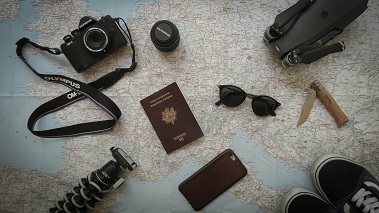
One of the most pervasive mistakes made by first-time travelers is over-packing their suitcases. This common tendency often arises from anxiety about being unprepared or wanting to bring several outfits for different occasions. However, over-Travel Packing Tips can lead to unnecessary stress, complications at the airport, and challenges during the journey. Not only can weight restrictions cause unforeseen fees, but maneuvering through busy transport hubs with a bulky suitcase can also quickly become overwhelming.
To pack efficiently, it is vital first to differentiate between essentials and non-essentials. Start by listing your must-have items, which should focus on clothing that aligns with the weather and culture of your destination. When considering clothing, prioritize versatility; opt for items that can be mixed and matched, such as neutral tops that can pair with various bottoms. This strategy allows for a well-rounded wardrobe without excessive bulk. For footwear, limit yourself to two pairs: one for casual wear and another that can be utilized for more formal occasions or activities.
Another effective packing strategy involves rolling clothes instead of folding them. This method not only saves space but also helps minimize wrinkles. Utilize packing cubes or compression bags to organize items seamlessly and maximize space. Furthermore, consider packing lighter by choosing fabrics that are quick-drying and wrinkle-resistant, which will allow for easy washing during your trip if needed. When you pack lightly, you not only relieve yourself of the physical burden of heavy luggage but also enhance your travel experience by being more mobile and flexible.
Overall, mastering the art of efficient packing is crucial for first-time travelers. Avoiding the pitfalls of over-packing can significantly improve the overall travel experience, allowing for greater enjoyment and less hassle.
Ignoring Travel Research and Planning
Embarking on a journey without adequate research can lead to missed opportunities and unexpected challenges. Familiarizing oneself with local customs is essential, as cultural norms can significantly influence social interactions. For example, certain gestures that are considered polite in one culture may be offensive in another. Thus, investing time in understanding these nuances can enhance the travel experience.
Additionally, learning basic phrases in the local language can facilitate communication and demonstrate respect towards the host culture. Even simple greetings or expressions of gratitude can greatly improve interactions with locals, fostering goodwill and potentially opening doors to enriching experiences. Language apps and online resources make it easier than ever to pick up a few essential words and phrases before embarking on a trip.
A well-thought-out itinerary can help to maximize the time spent in a new destination. Begin by outlining the primary attractions or activities of interest, allowing flexibility in the schedule for spontaneous exploration. Resources such as travel blogs, tourism websites, and forums can provide valuable insights into must-see locales and hidden gems. Consider leveraging social media channels to connect with other travelers and gather firsthand experiences.
Moreover, tailoring plans according to personal interests can result in a more meaningful experience. For instance, if one is passionate about art, researching local galleries or museums and including these in the itinerary is advisable. Alternatively, food enthusiasts could focus on culinary tours and local markets.
In summary, thorough travel research and strategic planning are fundamental steps in ensuring a rewarding and engaging travel experience. By understanding local customs, learning the local language, and crafting a personalized itinerary, travelers can elevate their first trip into a memorable adventure.
3. Underestimating Budget and Expenses
One of the most common mistakes travelers make, particularly on their first trip, is underestimating their budget and expenses. Many individuals approach budgeting with a general idea of how much they plan to spend but fail to account for all potential costs. This oversight can lead to financial stress during the trip and may even force them to cut short their adventure due to lack of funds.
When creating a travel budget, it is essential to consider various expenses, including accommodation, food, transportation, activities, and even unforeseen costs such as local taxes or fees. Start by estimating the cost of lodging—both for hotels and alternative options like hostels or vacation rentals. Working out average daily food costs in the chosen destination can help set realistic spending expectations. Transportation costs, whether it be flights, car rentals, or public transport, should also be carefully calculated.
To make a more accurate budget, travelers can benefit from researching destination-specific costs online or using travel apps to track expenses. For those looking to save money while traveling, there are several strategies. Consider preparing some meals instead of eating out for every meal, and make use of public transportation where possible. Allocating a specific amount for daily activities, while also setting aside additional funds for spontaneous experiences, can lead to a more enjoyable and financially manageable trip.
By taking the time to plan a comprehensive budget, travelers can mitigate financial surprises and enhance their overall journey. Balancing the excitement of exploration with a thoughtful approach to budgeting ensures that first-time travelers can focus on creating memorable experiences without undue financial worry.
Failing to Stay Flexible and Open-Minded
Traveling can often be unpredictable, presenting experiences that defy even the most carefully constructed itineraries. One of the most crucial travel mistakes to avoid, especially for first-time travelers, is the failure to stay flexible and open-minded. While planning is undeniably important, a rigid mindset can lead to stress, disappointment, and the inability to enjoy spontaneous adventures that arise during your journey.
When travelers cling tightly to their plans, they may miss out on unique opportunities that can transform their experience. For example, encountering a local festival or an interesting conversation with a stranger can open doors to authentic cultural insights. Allowing yourself the freedom to deviate from your itinerary not only enhances your travel experience but also fosters a greater connection to the places and people you encounter.
To cultivate flexibility while traveling, consider adopting a mindset geared towards adaptability. One strategy is to leave parts of your itinerary unplanned, creating space for exploration. You may choose to dedicate a day to simply wander through neighborhoods, sampling street food or visiting local markets, thereby providing yourself with the chance to discover hidden gems. Additionally, staying open to last-minute changes, such as meeting fellow travelers who suggest exciting activities or local tours, can enrich your trip.
Flexibility also extends to how you handle travel mishaps, such as delays or changes in accommodation. Approaching these challenges with a problem-solving attitude can not only lighten the mood but also lead to unexpected adventures. Embracing the unknown can transform travel into an opportunity for personal growth, making every moment, even the unplanned ones, a memorable part of your journey.