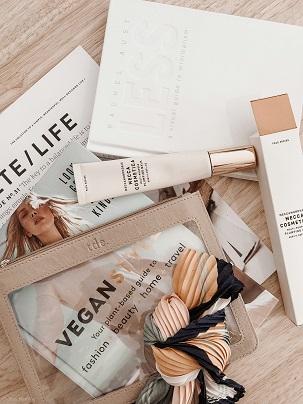
The principle of sustainable living has rapidly gained popularity in recent years, driven by a growing awareness of environmental issues and the urgent need to combat climate change. Individuals across the globe are actively adopting eco-friendly practices in their daily lives, with a marked shift towards zero-waste lifestyles and ethical consumption. The objective is not only to minimize personal waste but also to promote a more responsible use of resources. A fundamental aspect of sustainable living is reducing plastic use, which involves both personal initiatives and broader community actions. Simple changes, such as opting for reusable bags, bottles, and containers, significantly minimize plastic waste. Moreover, individuals are increasingly seeking out bulk purchasing options to avoid single-use packaging and lessen their carbon footprints. Supporting sustainable brands is another key component of this lifestyle trend. Consumers are now more informed than ever, choosing products that are sustainably and ethically sourced. This shift encourages companies to adopt environmentally friendly practices, promoting a more sustainable market overall. By patronizing businesses that prioritize eco-conscious production, individuals contribute to a larger movement that supports the planet and its resources.
Increasing awareness of one’s carbon footprint is paramount in sustainable living. Individuals are encouraged to evaluate their energy consumption and make choices that favor renewable energy sources, such as solar or wind. Transitioning to green energy not only curtails dependency on fossil fuels but also reduces greenhouse gas emissions significantly.
In conclusion, the trend towards sustainable living reflects a collective shift towards mindful consumption and responsible environmental stewardship. By incorporating small, impactful changes in daily routines and supporting ethically-minded brands, individuals can contribute to a more sustainable future for the planet.
Digital Detox and Mindfulness
In today’s fast-paced and technology-driven world, the necessity for mental health and well-being has gained significant recognition. A growing number of individuals are embracing the concept of digital detox to disengage from their devices and reduce screen time, allowing them to reconnect with their immediate environments and themselves. This practice involves setting aside designated periods where individuals consciously refrain from using digital devices such as smartphones, tablets, and computers. By doing so, they can alleviate the constant barrage of notifications and the pressure to stay connected.
Implementing a digital detox can take various forms, from establishing tech-free zones in the home to scheduling regular breaks throughout the day. Many people are also adopting strategies like limiting social media usage, turning off notifications, and engaging in more offline activities. The goal is to create a healthy balance that facilitates deeper connections with the present moment and the people around them.
Complementing these digital detox strategies, mindfulness practices including meditation and yoga are increasingly becoming mainstream. These techniques encourage individuals to focus on their breathing, bodily sensations, and thoughts, thereby cultivating a deeper awareness of their internal and external experiences. Studies have shown that regular mindfulness practices can lead to reduced stress, improved emotional regulation, and greater overall well-being. Furthermore, practices like yoga not only enhance physical flexibility but also promote mental clarity, contributing to a balanced lifestyle.
As society acknowledges the potential drawbacks of technology reliance, the digitization of everyday life is contrasted by this growing movement toward mindfulness and disconnecting from the digital world. Embracing a digital detox paired with mindfulness can lead to profound changes, allowing for a richer and more fulfilling existence in harmony with one’s surroundings.
Health and Wellness Trends
As we progress through 2023, health and wellness have taken a forefront position in lifestyle trends, reflecting a collective move towards prioritizing both physical and mental health. This year, many individuals have adopted plant-based diets, moving away from traditional meat-centric diets to embrace a more sustainable and health-conscious eating pattern. These diets are not just a fleeting trend; they signify a broader awareness of how nutrition impacts overall well-being and environmental sustainability.
In conjunction with dietary shifts, personalized nutrition has gained immense traction. Individuals are increasingly seeking out tailored dietary plans that resonate well with their unique health needs and lifestyle preferences. This wave of personalized nutrition often involves utilizing advanced technology, such as DNA analysis and microbiome testing, to create diets that optimize health based on specific biological profiles.
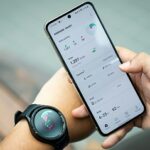
Mental health awareness has similarly surged this year, with more individuals recognizing the importance of self-care routines as essential components of a healthy lifestyle. The focus on mental well-being includes mindfulness practices, meditation, and techniques to manage stress effectively. Resources such as wellness apps have become invaluable tools, offering guided meditations, fitness tracking, and access to supportive online communities that promote healthy living and coping mechanisms.
Additionally, fitness fads are evolving, with trends like high-intensity interval training (HIIT) and yoga gaining popularity due to their physical and mental health benefits. Groups and classes that foster community engagement have also emerged, encouraging individuals to pursue their fitness goals collectively.
Overall, the health and wellness trends of 2023 reveal a significant cultural shift towards holistic approaches that encompass not just physical fitness but a comprehensive strategy for overall well-being. This trend will likely continue to shape the lifestyle choices of individuals worldwide as they strive for a balanced and healthy life.
Remote Work and Flexible Lifestyles
As we navigate through 2023, the phenomenon of remote work has significantly reshaped our approach to lifestyle and daily routines. The onset of the pandemic catalyzed a seismic shift towards remote work, influencing not only where individuals work but also how they live. This transformation has ushered in a new era of flexible lifestyles, allowing for a more harmonious blend between professional responsibilities and personal life.
One of the most notable outcomes of this trend is the rise of digital nomadism. Individuals are increasingly taking advantage of remote work opportunities to travel and explore new locales without sacrificing their careers. This lifestyle allows professionals to experience diverse cultures while maintaining productivity, raising the demand for co-working spaces in cities previously considered as purely tourism destinations.
Moreover, the flexibility offered by remote work has led to a reevaluation of traditional work hours. Many professionals are now adopting non-traditional schedules that align better with their personal preferences. This shift facilitates improved work-life balance, enabling individuals to choose when they are most productive, whether that be during early mornings or late evenings. Such flexibility can enhance mental well-being and reduce the stress often associated with rigid work hours.
Another emerging trend in this new work paradigm is the concept of ‘workcations.’ This phrase describes the phenomenon wherein individuals travel to different locations and work remotely while enjoying a change of scenery. By combining work and leisure, they can utilize time away from the conventional office environment to rejuvenate themselves, ultimately fostering creativity and innovation. The blending of work and lifestyle has thus given rise to enhanced job satisfaction and increased efficiencies.
Overall, remote work has precipitated a broader embrace of flexible lifestyles that cater to individual needs and preferences, heralding a transformative time in how we approach work and life.