


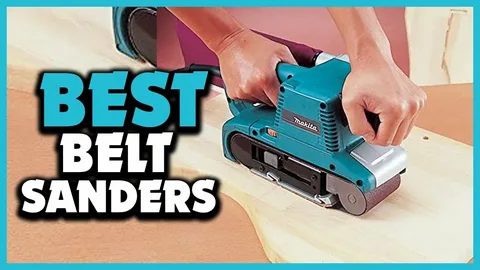
When selecting the best belt sanders for your workshop, it’s essential to consider the features that will make the tool effective, efficient, and versatile for a wide range of tasks. Whether you’re working with wood or metal, the right belt sander can drastically improve your precision, productivity, and overall project quality.
This article breaks down the top five features to look for in best belt sanders, helping you choose the most suitable option for your woodworking and metalworking projects.
1. Variable Speed Control for Greater Versatility
One of the most important features of the best belt sanders is variable speed control. Whether you’re working on delicate woodworking projects or tackling tougher metalworking tasks, having the ability to adjust the sanding speed can make all the difference.
- Woodworking: Lower speeds are ideal for fine sanding and smoothing delicate woods without damaging the surface.
- Metalworking: Higher speeds are essential for quickly removing rust, paint, or smoothing rough metal surfaces.
A variable speed control feature allows you to tailor the sanding process to suit the material and task at hand, making your sander more versatile across different projects.
Benefits of Variable Speed:
- Customization: Adjust speed to meet the needs of different materials and tasks.
- Greater control: Offers finer results with delicate materials and faster sanding for tougher materials.
- Reduced risk of damage: Helps prevent gouging or over-sanding delicate surfaces.
2. Powerful Motor for Tough Jobs
The motor power of the best belt sanders directly influences their performance. A more powerful motor is particularly useful when working with tough materials, like hardwood or metals, where faster material removal is required. For woodworking, a motor between 6 to 10 amps is typically sufficient, while metalworking tasks may require a motor with higher power to handle tougher, thicker materials.
When selecting a belt sander, consider the type of projects you’ll be working on and choose a model with an appropriate motor for the job.
Benefits of a Powerful Motor:
- Faster material removal: More power allows for quicker sanding on tougher materials.
- Ability to handle thick materials: A powerful motor ensures smooth, consistent results even on dense woods or metals.
- Enhanced durability: High-powered motors tend to last longer and handle heavy-duty use better.
3. Effective Dust Collection System
Dust is a natural byproduct of sanding, especially when working with wood and metal. The best belt sanders come equipped with an efficient dust collection system to help maintain a clean workspace and improve air quality. A good dust collection system not only prevents the workspace from becoming cluttered but also keeps your sanding surfaces clean, leading to better results.
Some sanders offer dust bags, while others are compatible with shop vacuums for more efficient dust removal. For both woodworking and metalworking, consider a sander that provides strong suction and easy dust disposal.
Benefits of Dust Collection:
- Cleaner workspace: Reduces mess and maintains a tidy workshop.
- Improved visibility: Less dust means a clearer view of your workpiece.
- Health benefits: Prevents the buildup of harmful dust particles, protecting your respiratory health.
4. Adjustable Tracking for Precision and Control
Adjustable tracking is a crucial feature in the best belt sanders that ensures the sanding belt stays centered during operation. If the belt shifts out of alignment, it can cause uneven sanding and a poor finish, which is especially important when working on intricate or precise projects.
Most high-quality belt sanders allow for easy tracking adjustments to ensure the belt remains properly aligned throughout the sanding process. This feature provides better control and consistency, making it ideal for both fine woodworking and metalworking tasks.
Benefits of Adjustable Tracking:
- Consistent sanding: Keeps the belt aligned, ensuring a smooth and uniform finish.
- Reduced wear: Prevents unnecessary wear on the sanding belt by keeping it in proper alignment.
- Enhanced precision: Makes it easier to achieve accurate, professional-quality results.
5. Ergonomics and Comfort for Extended Use
Sanding can be physically demanding, especially on larger projects that require long hours of operation. The best belt sanders are designed with ergonomic handles and lightweight builds to reduce user fatigue and improve comfort during extended use. Features like padded grips, adjustable handles, and balanced weight distribution make a big difference when working for long periods.
Additionally, some sanders feature vibration-reducing technology, which minimizes hand and arm strain, making the tool more comfortable to operate and improving overall control.
Ergonomics and Comfort Benefits:
- Reduced fatigue: Ergonomically designed handles and balanced weight make sanding more comfortable.
- Better control: Vibration-reducing features enhance stability, helping you maintain accuracy.
- Extended usage: Comfortable tools allow for longer work periods without discomfort or strain.
Closing Perspective: Choosing the Best Belt Sanders for Your Projects
When selecting the best belt sanders, it’s essential to consider features like variable speed control, motor power, dust collection, adjustable tracking, and ergonomics. Each of these features plays a vital role in ensuring that your sander provides optimal performance, precision, and efficiency for both woodworking and metalworking tasks.
By carefully evaluating your needs and understanding the key features that make a belt sander effective, you can choose the perfect model to enhance your workflow and help you achieve professional-quality results. Whether you’re smoothing wood surfaces or preparing metal for finishing, the right belt sander is an invaluable tool for any workshop.