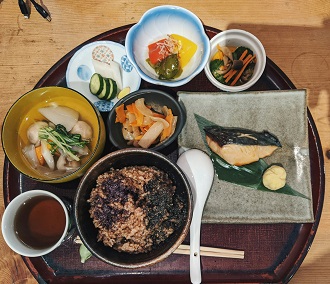
Sushi Recipes, a culinary treasure of Japan, is both an art form and a gastronomic delight that has captured the hearts of food lovers worldwide. Its origins date back to the 8th century as a method for preserving fish in fermented rice. Over centuries, sushi evolved into the delightful dishes we enjoy today, featuring a range of flavors and presentations. The different types of sushi include nigiri, which consists of a slice of fish atop a small mound of rice, maki, rolled sushi encased in seaweed, and sashimi, which is sliced fresh fish served without rice.
In Japanese culture, sushi holds great significance, embodying themes of freshness, seasonality, and craftsmanship. Each piece of sushi is prepared with utmost care, showcasing the chef’s skill and dedication. The sushi bar experience is not merely about eating but also about engaging with the chef, often referred to as ‘itamae’. Diners are encouraged to appreciate the artistry involved in sushi making, which adds a layer of richness to the meal.
When enjoying Sushi Recipes, certain etiquettes should be observed. For instance, using chopsticks properly, refraining from mixing wasabi directly into soy sauce, and consuming sushi in one bite are all practices that enhance the cultural experience. To choose high-quality sushi, look for freshness, vibrant colors, and the right balance of flavors. A reputable sushi bar will offer sustainably sourced fish and adhere to traditional preparation methods, ensuring a delightful dining experience.
Ramen – A Noodle Lover’s Paradise
Ramen, a beloved Japanese dish, is recognized globally as a comforting noodle soup that has captured the hearts of many. With roots tracing back to China, ramen was introduced to Japan in the late 19th century and has since evolved into various distinctive styles across the country. The core components of ramen include the noodles, broth, and toppings, but the combinations and interpretations are virtually endless.
There are several prominent styles of ramen, each distinguished by its broth and flavoring. Shoyu ramen, for instance, features a soy sauce-based broth that delivers a savory and slightly sweet taste, making it a favorite among many. Miso ramen, on the other hand, incorporates fermented soybean paste, resulting in a rich, hearty flavor profile that is particularly popular in Hokkaido. Lastly, tonkotsu ramen is renowned for its creamy, milky broth made from simmered pork bones, providing a depth of flavor that pairs exceptionally well with its chewy noodles.
Regional variations greatly influence the flavors and ingredients used in ramen, reflecting local tastes and culinary customs. For instance, Hakata-style ramen is characterized by its thin, straight noodles and an intense tonkotsu broth, while in Kyoto, a lighter, shoyu-based broth is preferred. This diversity underscores the adaptability of ramen, making it a canvas for chefs and home cooks alike to express their creativity.
To fully appreciate ramen, one should pay attention to the broth, as it is the heart of the dish. A well-prepared broth requires careful simmering and balancing of flavors, which is paramount in elevating the overall experience. Additionally, enjoying ramen involves slurping the noodles, a cultural practice that not only enhances flavors but also expresses satisfaction. Whether indulging in a bowl at a local stall or trying a more upscale version at a restaurant, ramen remains a quintessential element of Japanese cuisine that continues to entice food lovers worldwide.
Tempura – A Delicious Deep-Fried Dish
Tempura is an iconic Japanese dish that showcases the art of deep-frying, with a unique lightness that sets it apart from other fried foods. It traditionally features a variety of ingredients, including vegetables and seafood, which are coated in a delicate batter made from a mixture of cold water, flour, and sometimes egg. This batter is essential for achieving the signature crispy texture, as its mixture is designed to create a barrier that keeps the moisture within the food while allowing the outside to become perfectly crisp.
The origins of tempura can be traced back to the 16th century, influenced by Portuguese missionaries and traders who arrived in Japan. The technique of frying food in batter was assimilated over time, leading to the creation of the dish we know today. Typically, tempura is served as a small portion alongside rice or soba noodles, making it a staple in many Japanese meals. The visual appeal also plays a significant role; vibrant colors and crunchy textures create an attractive presentation on the plate.
When it comes to enjoying tempura, dipping sauces are an integral part of the experience. The most commonly used sauce is tentsuyu, which is made from a combination of dashi stock, soy sauce, and mirin. This sauce amplifies the umami flavor of the fried items while providing a contrasting moistened taste texture against the crunch of tempura. To experience authentic tempura, it is advisable to seek out specialized tempura restaurants that prioritize fresh ingredients and expert frying techniques.
Recipes may vary greatly, but the essence of tempura remains the same, promising a delightful culinary experience with every bite. Whether you are enjoying shrimp, sweet potato, or seasonal vegetables, tempura embodies the simplicity and elegance of Japanese cuisine.
Okonomiyaki – Japanese Savory Pancakes
Okonomiyaki, often referred to as Japanese savory pancakes, is a quintessential dish in Japan that deserves a prominent spot on any food enthusiast’s itinerary. This versatile delicacy can be found in various forms across the country, showcasing different regional styles, most notably the Hiroshima-style and Osaka-style preparations. The name ‘okonomiyaki’ translates to “grilled as you like it,” reflecting the dish’s inherent flexibility that allows diners to customize their toppings and ingredients according to their preferences.
The primary ingredients of okonomiyaki consist of a batter made from flour, grated yam, dashi stock, and shredded cabbage, combined with a variety of additional components such as meat, seafood, or mochi. Hiroshima-style okonomiyaki is distinct as it layers the ingredients rather than mixing them into a batter, allowing for a unique texture and flavor profile. In contrast, Osaka-style combines all ingredients into a single mixture before cooking it on a hot griddle.
The cultural significance of okonomiyaki extends beyond mere culinary enjoyment; it has become a popular social meal in Japan. Many families and friends gather at specialized teppanyaki restaurants or take on the experience at home, where they can prepare the dish interactively. Diners often participate in the cooking process, adding their desired ingredients and swapping ideas for creative toppings, such as okonomiyaki sauce, mayonnaise, seaweed flakes, or bonito flakes.
The regional variations and personal adaptations make okonomiyaki a highlight in Japanese cuisine and a reflection of Japan’s rich culinary heritage. Those who explore this dish are not just savoring a meal but also engaging in a cultural experience that embodies the communal spirit and creativity of Japanese dining traditions.