



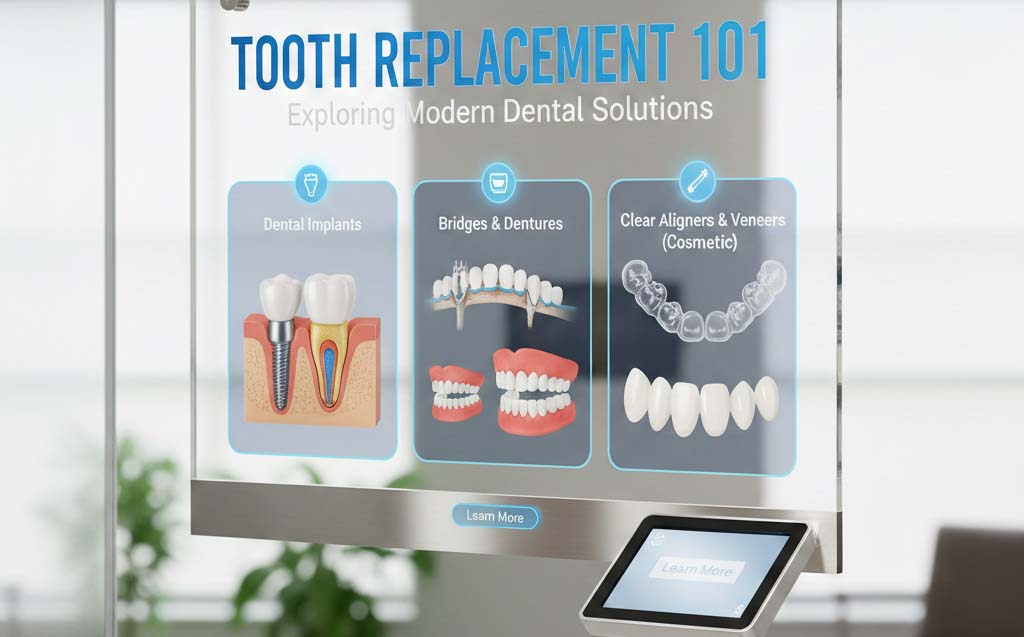
Losing a tooth can be a jarring experience. Whether it happens suddenly due to an injury or gradually because of decay or gum disease, the gap left behind affects more than just your appearance. It can impact your ability to chew properly, speak clearly, and maintain the alignment of your remaining teeth. Fortunately, modern dentistry has evolved significantly. Patients today have access to several effective solutions that restore both function and aesthetics. Understanding these options is the first step toward reclaiming a complete smile.
Why Replacing a Tooth Matters
Many people might be tempted to ignore a missing tooth, especially if it is in the back of the mouth where it is not visible. However, every tooth plays a vital role in your oral structure. When a gap exists, the surrounding teeth can start to shift into the empty space. This movement can lead to bite misalignment, difficulties in cleaning, and increased risk of decay for the remaining teeth. Furthermore, the jawbone underneath the missing tooth begins to deteriorate over time due to a lack of stimulation, potentially altering facial structure. Addressing the loss promptly helps preserve overall oral health.
Dental Bridges: A Traditional Approach
For decades, dental bridges have been a standard solution for replacing one or more missing teeth. As the name suggests, this method bridges the gap created by the missing tooth.
How Bridges Work
A traditional bridge consists of an artificial tooth, known as a pontic, which is held in place by dental crowns attached to the natural teeth on either side of the gap. These adjacent teeth, called abutment teeth, provide the necessary support. The process typically involves preparing these support teeth by removing a portion of their enamel to fit the crowns.
Pros and Cons
Bridges are a fixed solution, meaning they are cemented in place and do not need to be removed for cleaning. They restore chewing function effectively and prevent adjacent teeth from drifting. However, the primary drawback is the requirement to alter healthy teeth to support the bridge. Additionally, because the artificial tooth sits on top of the gums, it does not stimulate the underlying bone, which may still recede over time.
Removable Partial Dentures
Partial dentures offer a solution for patients who may have lost several teeth but still retain some healthy natural teeth.
Mechanism and Fit
These appliances consist of replacement teeth attached to a gum-colored plastic base. They often use a metal framework and clasps that grip onto the remaining natural teeth to stay in place. Modern materials have made these more comfortable and natural-looking than in the past.
Advantages and Considerations
Partial dentures are generally the most affordable tooth replacement option and do not require invasive surgery. They are also relatively easy to repair if damaged. On the downside, they can feel bulkier than other options and may take time to get used to. They must be removed for cleaning and sleeping, and the clasps can sometimes be visible when smiling. Like bridges, they do not prevent bone loss in the jaw.
The Modern Standard: Dental Implants
In recent years, dental implants have become the gold standard for tooth replacement. Unlike other methods that only replace the visible crown of the tooth, implants replace the tooth root as well.
Structural Integrity
An implant is a small titanium post that is surgically placed into the jawbone. Over a period of healing, the bone fuses with the titanium in a process called osseointegration. This creates a sturdy foundation for an artificial tooth. Because it mimics the natural root, it provides stimulation to the jawbone, preventing the bone loss that typically follows tooth extraction.
Long-Term Benefits
Implants function remarkably like natural teeth. They are stable, durable, and do not require the alteration of adjacent healthy teeth. While the initial process takes longer than getting a bridge, the long-term benefits often outweigh the wait. For residents seeking a specialized approach, finding a provider for a single tooth implant in Lafayette, LA can offer a permanent solution that blends seamlessly with the natural smile.
Making the Right Choice
Selecting the best tooth replacement option is a personal decision that depends on various factors.
Clinical Considerations
The health of your jawbone is a critical factor. Implants require sufficient bone density for placement. If bone loss has already occurred, a bone graft might be necessary before an implant can be placed. The condition of remaining teeth and gums also plays a role; gum disease must be treated before any restorative procedure begins.
Lifestyle and Budget
Budget constraints and lifestyle preferences are also important. Bridges and dentures typically have lower upfront costs compared to implants. However, implants often last longer, potentially making them more cost-effective over a lifetime. Patients should also consider maintenance requirements; implants are cared for like natural teeth, while bridges and dentures require specific cleaning tools and routines.
Taking the Next Step
Ignoring a missing tooth can lead to more complex dental issues down the road. To move forward with restoration:
- Schedule a Consultation: A dentist can evaluate your specific situation using X-rays and exams.
- Discuss Your Priorities: Be open about your budget, timeline expectations, and concerns regarding surgery.
- Review the Treatment Plan: Ensure you understand the steps involved, from preparation to final placement.
- Commit to Hygiene: Regardless of the option you choose, rigorous oral hygiene is essential for the longevity of the restoration.
By exploring these modern solutions, you can find a path to restoring not just your smile, but your confidence and quality of life.