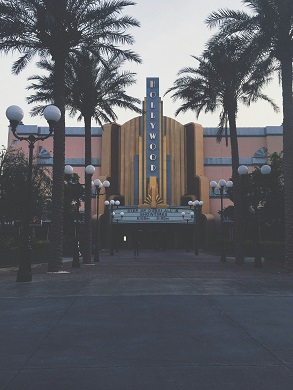
Classic movies possess a unique and enduring appeal that transcends generations. One of the primary reasons for this lasting charm lies in their storytelling. The plots of classic films often revolve around universal themes such as love, sacrifice, honor, and the human experience, allowing viewers from various backgrounds to resonate with the characters’ journeys. This ability to connect on an emotional level has ensured that these films remain relevant even decades after their initial theatrical release. Furthermore, character development in classic cinema plays a pivotal role in maintaining viewer interest. Iconic characters have been thoughtfully crafted, showcasing rich backstories and profound personal growth. For instance, characters like Rick Blaine from “Casablanca” or Scarlett O’Hara from “Gone with the Wind” illustrate complex emotions and conflicts that continue to captivate audiences. Their struggles and triumphs often mirror contemporary societal issues, reaffirming that the essence of human nature remains unchanged through time. The cultural significance of these films cannot be overlooked either. Classic movies often serve as reflections of the era in which they were made, providing a lens through which future generations can explore past social norms, values, and challenges. By examining these cultural artifacts, viewers gain insight into historical contexts and the evolution of societal attitudes. Movies like “The Wizard of Oz” and “Psycho” not only showcase the artistic techniques of their time but also contribute to ongoing discussions about identity, morality, and societal issues.
Ultimately, the combination of compelling storytelling, multifaceted characters, and cultural impact contributes to the timeless nature of classic movies. Their ability to evoke nostalgia while still engaging new audiences ensures that they will continue to hold a cherished place in the world of cinema for years to come.
Iconic Classic Movies Worth Watching
Classic cinema holds a unique place in film history, providing a foundation for storytelling that resonates even in today’s modern context. Several films have transcended their original release dates, cementing their status as timeless masterpieces. One such film is “Casablanca” (1942), starring Humphrey Bogart and Ingrid Bergman. This romantic drama not only captivated audiences with its poignant love story but also introduced unforgettable quotes and memorable performances, securing its reputation as one of the greatest films in cinematic history.
Another noteworthy film is “Gone with the Wind” (1939). This epic historical romance set against the backdrop of the American Civil War features groundbreaking cinematography and production design. The portrayal of complex characters and themes of love, loss, and resilience have made it a staple of classic cinema, influencing countless filmmakers and film enthusiasts alike.
Additionally, we cannot overlook “Citizen Kane” (1941), often heralded as the pinnacle of film innovation. Directed by Orson Welles, this film revolutionized narrative techniques and visual storytelling. Its non-linear structure and use of deep focus cinematography set new standards and have inspired generations of directors.
Walt Disney’s “Snow White and the Seven Dwarfs” (1937) also deserves recognition for its role in establishing animation as a legitimate art form. As the first-ever feature-length animated film, it paved the way for future animated classics, proving that animation can convey profound stories and emotions.
Finally, examine “12 Angry Men” (1957), a powerful courtroom drama that delves into themes of justice and morality. The film’s ability to maintain tension and provoke thought through dialogue alone marks it as a significant achievement in both writing and acting. These iconic classic movies not only entertain but also offer invaluable insights into the human experience, ensuring their place in the hearts of viewers across generations.
How Classic Movies Influence Modern Filmmaking
Classic movies have left an indelible mark on the landscape of modern filmmaking, acting as a reference point for filmmakers seeking to create compelling narratives and resonant themes. The rich tapestry of storytelling found in these early films serves as both an inspiration and a blueprint for writers and directors today. Elements such as characterization, plot development, and thematic depth in classic cinema continue to shape the way contemporary narratives unfold.
For instance, the archetypical character structures first developed in films such as Casablanca or Gone with the Wind are frequently seen in modern cinema. Filmmakers often draw from these archetypes to create relatable characters and engaging story arcs. These classic films introduced complex moral dilemmas that resonate with viewers, fostering an emotional connection that modern films strive to replicate.
Moreover, the stylistic choices made in early cinema have also influenced current cinematic practices. Techniques such as deep focus, non-linear storytelling, and the seamless integration of visual and auditory elements have their roots in the classical era. Directors like Alfred Hitchcock and Orson Welles revolutionized the art of suspense and narrative structure, setting a standard that modern filmmakers continue to emulate and expand upon. Their innovations opened up new avenues for storytelling and established genre conventions.
In addition to thematic and stylistic influences, classic films have defined genres that are still prevalent today. The foundations laid by classic horror, film noir, and romantic comedies inform the genre conventions of contemporary cinema. Each new wave of filmmakers acknowledges the masterful techniques and storytelling approaches of the past, ensuring that classic movies remain relevant and influential in today’s ever-evolving film industry.
Ways to Experience Classic Movies Today
The landscape of film consumption has evolved significantly, and classic movies remain a vital part of cinematic history that can be appreciated through various modern platforms and methods. Streaming services have taken the lead in making classic films more accessible than ever. Platforms such as Criterion Channel and TCM (Turner Classic Movies) curate extensive libraries that include timeless classics, offering viewers the chance to explore films that have shaped the art of cinema. These services often provide valuable context and background information, enhancing the viewing experience.
In addition to streaming, film festivals dedicated to classic cinema present another exciting opportunity for enthusiasts. Events such as the TCM Classic Film Festival and local retrospectives showcase classic films on the big screen, providing a communal experience that can rekindle passion for these iconic works. Film festivals often feature discussions and panels with filmmakers, critics, and historians, enabling audiences to gain deeper insights into the significance of these films. Such events serve to foster a love for the classics among both new audiences and seasoned cinephiles.
Moreover, various preservation programs play an essential role in ensuring that classic films remain accessible for future generations. Organizations like the Library of Congress and The Film Foundation actively work on restoring and preserving original prints, which can sometimes be screened at special events. These efforts are crucial in safeguarding the integrity of classic films while also addressing the growing interest in remakes and restorations. As discussions around these remakes unfold, it is vital that the original work continues to be celebrated, reminding audiences of the timeless relevance of these cinematic gems.