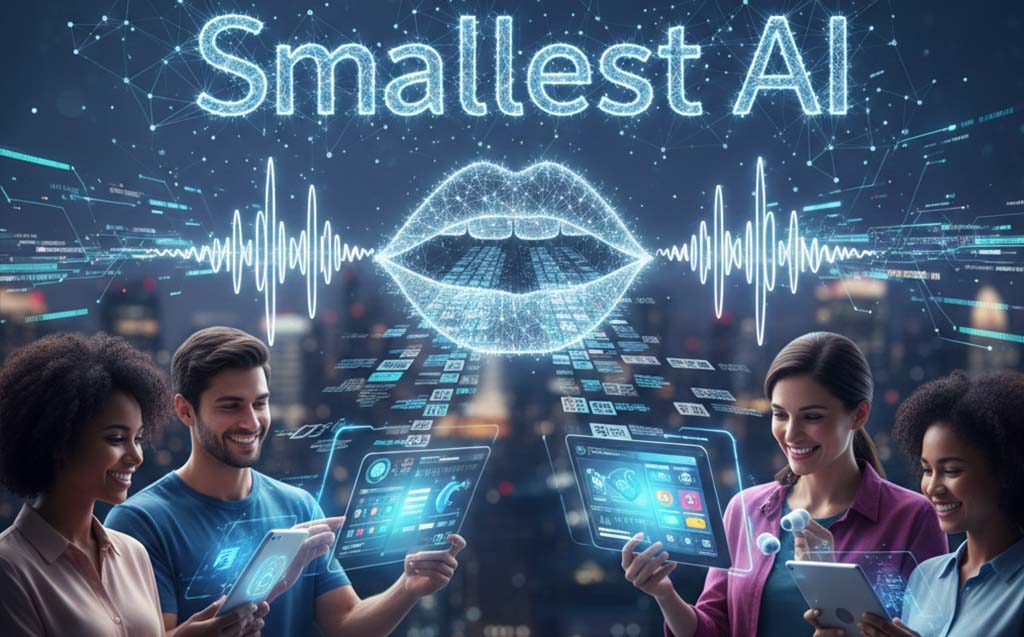
As technology continues to evolve, artificial intelligence (AI) is transforming the way we interact, work, and communicate. One of the most significant breakthroughs in recent years is AI-driven text-to-speech (TTS) technology, which has paved the way for more natural, efficient, and accessible forms of communication. With applications ranging from virtual assistants and customer service bots to accessibility tools and content creation, TTS is becoming an essential part of the modern digital experience.
At the forefront of this revolution is Smallest AI, a pioneering company that is shaping the future of AI-driven text-to-speech solutions. By combining cutting-edge machine learning techniques with powerful speech synthesis, Smallest AI is not only making communication more seamless but also more personalized and adaptive to individual needs.
In this blog, we will explore how AI-driven text-to-speech technology is evolving, the impact it has on various industries, and how Smallest AI is driving this change to redefine communication in the digital age.
Understanding the Evolution of AI-Driven Text to Speech
AI-driven text-to-speech technology has come a long way since its early days. Initially, TTS systems were robotic and unnatural, with voices that lacked emotional depth and clarity. However, thanks to advances in AI and deep learning, TTS has evolved significantly, offering human-like, expressive voices that sound more natural and conversational.
What is AI-Driven Text to Speech?
AI-driven text-to-speech is a technology that converts written text into spoken words using artificial intelligence. Unlike traditional TTS systems, which rely on pre-recorded voice snippets, AI-powered solutions use machine learning models to generate natural-sounding speech from text in real-time. These systems can mimic the nuances of human speech, including intonation, pitch, and emotion, creating a more immersive and engaging experience for users.
Key Benefits of AI-Driven Text to Speech:
- Enhanced Accessibility: TTS technology is a game-changer for individuals with visual impairments or reading difficulties, making content more accessible.
- Improved User Experience: AI-driven TTS makes interactions with virtual assistants, apps, and devices smoother and more natural.
- Cost Efficiency: By automating voice generation, businesses can reduce the need for human voice actors or recording studios.
As we move into the future, AI-driven text-to-speech will continue to evolve, becoming more refined and integrated into various aspects of communication, entertainment, and business.
The Key Trends in AI-Driven Text to Speech for the Future
1. More Natural and Expressive Voices
One of the most notable trends in AI-driven TTS technology is the increasing naturalness and expressiveness of the generated voices. Early TTS systems were often criticized for sounding robotic and monotone. Today, thanks to advancements in neural networks and deep learning, AI voices are becoming more fluid, dynamic, and capable of expressing a range of emotions.
How Smallest AI is Leading the Way:
Smallest AI is at the forefront of creating realistic, human-like voices that can convey emotion, tone, and nuance. By utilizing deep neural networks and vast amounts of data, Smallest AI has developed a TTS solution that is capable of producing voices that sound natural and relatable, making them ideal for applications such as customer service, audiobooks, and personal assistants.
Why This Matters:
Natural-sounding AI voices enhance user engagement and improve the overall experience, making interactions with digital assistants, virtual agents, and accessibility tools feel more personal and human-like.
2. Personalization of AI Voices
As AI continues to advance, one of the key areas of growth is personalization. In the future, we will see TTS systems that not only generate natural-sounding voices but can also adapt to individual preferences. This level of personalization could involve adjusting voice tone, pitch, accent, and even speech patterns to match the user’s preferences or needs.
How Smallest AI is Personalizing Communication:
With Smallest AI, businesses and developers can customize their TTS solutions to create voices that resonate with specific audiences. This could include adjusting the voice for different age groups, genders, or regional accents, allowing for a more tailored and relatable user experience.
Why It Matters:
Personalization helps improve customer satisfaction and ensures that TTS technology is inclusive, catering to diverse users. Whether for a voice assistant or an e-learning platform, having a voice that feels familiar or comfortable can significantly enhance the user experience.
3. Integration with Multilingual Capabilities
As businesses expand globally, the need for multilingual support is becoming increasingly important. AI-driven TTS systems are evolving to provide accurate and fluent speech in multiple languages, opening up new opportunities for cross-border communication.
How Smallest AI is Embracing Multilingualism:
Smallest AI is incorporating multilingual capabilities into its TTS solutions, allowing businesses to provide content in multiple languages while maintaining the quality and naturalness of the speech. Whether it’s translating marketing materials, providing customer support, or creating multilingual voice assistants, Smallest AI ensures that its TTS solutions cater to a global audience.
Why It Matters:
Multilingual TTS systems break down language barriers, allowing businesses to expand their reach and communicate with a wider audience, regardless of geographical location. This is particularly valuable for customer service, content localization, and global e-commerce.
4. Voice Cloning and Custom AI Voices
Voice cloning technology has seen significant improvements in recent years, allowing users to replicate a specific voice with high accuracy. In the future, AI-driven TTS will enable businesses and individuals to create custom voices that closely match real human voices, offering even more personalization and flexibility.
How Smallest AI is Shaping the Future with Voice Cloning:
With Smallest AI, businesses can create custom voices for their virtual assistants or voice-enabled applications. This could include replicating a CEO’s voice for personalized customer communication or creating a unique voice for a brand’s virtual assistant.
Why It Matters:
Voice cloning allows for stronger brand identity and more authentic interactions with customers. Custom voices also provide consistency across marketing campaigns, creating a more cohesive and professional experience for users.
How Smallest AI is Shaping the Future of Communication
Smallest AI is revolutionizing the TTS industry by pushing the boundaries of what AI-driven voice technology can achieve. Through innovative solutions that prioritize naturalness, expressiveness, and personalization, Smallest AI is making communication more accessible, efficient, and engaging for enterprises and consumers alike.
1. Enhancing Customer Support with AI Voices
Customer support is one of the key areas where Smallest AI is making a major impact. By integrating TTS technology into customer service applications, businesses can provide faster, more efficient responses to customer inquiries. AI-driven voices can handle common queries, provide instructions, and resolve issues—without the need for human intervention.
How It Works:
- Automated Support: AI voices can guide customers through troubleshooting steps or help them navigate websites, making customer support faster and more efficient.
- 24/7 Availability: With TTS, businesses can provide round-the-clock support, ensuring customers can always get the help they need, no matter the time zone.
2. Revolutionizing Content Creation and Marketing
AI-driven TTS is also transforming how businesses create and distribute content. From generating voiceovers for marketing videos to creating audio content for social media, Smallest AI enables enterprises to produce high-quality audio content quickly and cost-effectively.
How It Works:
- Quick Turnaround: TTS technology accelerates the content creation process, allowing businesses to produce voiceovers for videos, podcasts, and more, without the need for professional voice talent.
- Brand Consistency: Customizable voices ensure that marketing content stays consistent with a brand’s identity, helping businesses maintain a professional image.
Case Study: The Power of Smallest AI in Action
To understand how Smallest AI is revolutionizing communication, let’s take a look at a Smallest AI case study. A global e-commerce platform integrated Smallest AI into their customer service system to handle routine inquiries and order tracking. The results were impressive: the platform saw a 40% reduction in response time and an increase in customer satisfaction.
Results:
- Faster Customer Support: AI-powered voices were able to handle common inquiries and process orders, reducing the need for human intervention.
- Improved Customer Experience: Customers appreciated the quick, accurate responses, leading to better overall satisfaction.
For more insights, check out the full Smallest AI case study.
The Future of AI-Driven Text to Speech with Smallest AI
The future of communication is AI-driven, and Smallest AI is at the forefront of this transformation. By offering natural-sounding, customizable, and multilingual text-to-speech solutions, Smallest AI is helping businesses enhance customer support, create engaging content, and improve accessibility. As AI technology continues to advance, we can expect even more sophisticated TTS solutions that revolutionize how we interact with the digital world.
For businesses looking to stay ahead of the curve and leverage the power of AI-driven communication, Smallest AI is the partner you need. Embrace the future of communication today and explore how Smallest AI can reshape your customer experience and content creation processes.