
Visual storytelling has changed dramatically in recent years. What once required large teams, expensive equipment, and long production cycles can now be achieved with smart tools and creative thinking. One of the most interesting developments in this space is how pictures of editor play an important role in shaping the quality and style of AI generated video. Together, these elements are redefining how videos are created, edited, and experienced.
From content creators and educators to businesses and casual users, people are discovering new ways to bring ideas to life through visuals that feel polished, expressive, and engaging.
Understanding the Role of Visual Editors
At the heart of any video project lies the editor. Editors are responsible for shaping raw material into a meaningful story. The pictures of editor often reflect the creative process behind the scenes, showing timelines, frames, layers, and visual decisions that influence the final result. These images are more than just screenshots; they represent control, creativity, and precision.
In modern tools, editor visuals help users understand how scenes are structured. They show how images, clips, text, and effects come together in a balanced way. Whether someone is experienced or new, seeing pictures of editor layouts makes the editing process feel approachable and less intimidating.
The Rise of AI Generated Video
Technology has introduced a new dimension to video creation. AI generated video allows users to produce complete visuals using minimal input. Instead of manually editing every frame, users can rely on intelligent systems that generate scenes, transitions, and animations automatically.
This shift does not remove creativity; instead, it changes how creativity is applied. Users focus more on ideas, storytelling, and direction, while AI handles repetitive or technical tasks. The result is faster production and more room for experimentation.
How Pictures of Editor Help Shape AI Output
Even with automation, human guidance remains essential. Pictures of editor interfaces show where users adjust parameters, select styles, and refine generated content. These visual environments allow creators to see how AI decisions translate into actual video frames.
By working inside editor layouts, users can guide AI generated video results toward a desired mood or message. Small adjustments in visuals, timing, or composition can significantly change how a video feels. The editor visuals act as a bridge between human intention and machine execution.
Visual Consistency and Creative Control
One common concern with AI generated video is consistency. Without guidance, automated visuals may feel disconnected or generic. This is where pictures of editor become valuable. They show how different scenes align, how colors remain balanced, and how transitions flow smoothly.
Editors allow creators to review generated content frame by frame. They can remove unnecessary elements, enhance important moments, and ensure the final video matches their vision. The combination of AI speed and editor control creates a balanced creative process.
Accessibility for New Creators
Not everyone has a background in video production. For beginners, traditional editing tools can feel overwhelming. Modern platforms address this by providing intuitive editor visuals. Pictures of editor layouts often use simple timelines, clear icons, and visual cues that make editing easier to understand.
When paired with AI generated video features, new creators can achieve impressive results without technical stress. They can start with automated visuals and then fine-tune them through the editor. This learning-friendly environment encourages confidence and creativity.
Storytelling Through Intelligent Visuals
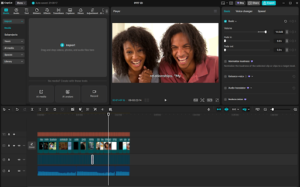
Storytelling remains the core of any successful video. AI generated video can quickly assemble scenes based on scripts, prompts, or concepts. However, storytelling improves when creators interact with these scenes visually. Pictures of editor tools allow users to see pacing, emotional beats, and narrative flow.
Editors make it possible to slow down important moments or speed up less critical parts. They help creators emphasize emotions through visuals, music, and timing. Even when AI creates the base structure, the editor ensures the story feels human and intentional.
Creative Flexibility Across Different Uses
Videos are used in many contexts, including education, marketing, entertainment, and personal projects. AI generated video adapts easily to these needs by producing different styles quickly. Pictures of editor interfaces show how users switch between formats, aspect ratios, and visual themes.
This flexibility allows creators to reuse content in multiple ways. A single idea can become a short clip, a presentation video, or a longer narrative. Editors provide the space where these transformations happen smoothly.
The Human Touch in Automated Creation
Despite automation, videos still need a human touch to feel authentic. Pictures of editor screens highlight moments where creators make decisions that AI cannot fully replace. Choices about tone, emphasis, and emotional impact come from human judgment.
By interacting with editor visuals, creators add personality to AI generated video. This combination prevents content from feeling mechanical and helps maintain originality and connection with viewers.
Looking Ahead at Visual Creation
The relationship between pictures of editor tools and AI generated video will continue to evolve. As technology improves, editors will become even more visual and interactive. Real-time previews, smart suggestions, and adaptive layouts will further simplify the creative process.
What remains constant is the need for clear visual control. No matter how advanced AI becomes, creators will always want to see, adjust, and refine their work. Editor visuals ensure that creativity stays in human hands.
Conclusion
The modern video creation process blends intelligence and imagination. AI generated video brings speed and automation, while pictures of editor represent control, creativity, and clarity. Together, they create an environment where ideas can turn into compelling visuals with ease.
As more people explore video creation, this balance between automation and human input will define the future of visual storytelling. Editors will remain the space where technology meets creativity, and where every video finds its final form.