



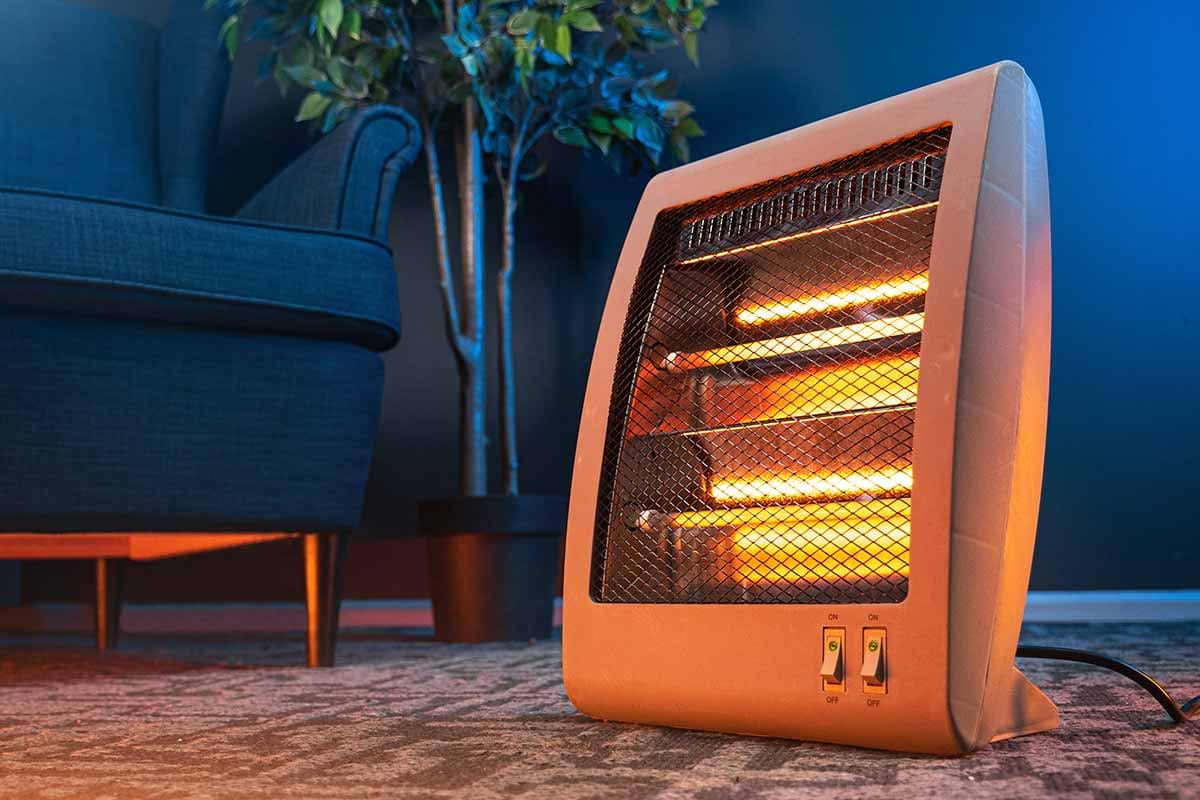
If you have ever tried to work in a freezing box room or step into a bathroom that feels like a fridge, you already get why portable heaters in UK homes are so popular. They are not trying to replace your whole heating setup.
They are for those specific moments when you need quick, targeted room heating without turning the entire house into a sauna.
This portable heater buying guide is basically what you would want someone to tell you before you buy a portable heater in UK shops and regret it two days later.
What are you actually trying to heat?
Start here, not with the price tag. A heater that works nicely in a small bedroom will struggle in a big, draughty living room with high ceilings.
Small space heaters and expectations
Most portable units are small space heaters. That is not an insult, it is the point. If you want to warm up one corner where you sit, a portable heater is perfect. If you want to heat a whole open plan ground floor, you will be disappointed or you will pay for it in power consumption.
Types you will see in portable heater shops
Walk into most portable heater shops and you will see the same few styles again and again. They all work, but they feel different to live with.
Electric portable heaters
Most people end up choosing electric portable heaters because they are simple. Plug in, switch on, done. The difference is in how the heat is delivered.
Oil filled heaters
Oil filled heaters are the slow and steady type. They take a bit longer to warm up, but once they do, they feel consistent and not “blowy”. They are great for bedrooms and home offices where you want background warmth for a few hours.
Ceramic heaters
Ceramic heaters have the opposite vibe. They warm up quickly and are useful when you walk into a cold room and want it to be comfortable fast. If you move your heater between rooms a lot, ceramic models are often lighter and easier to carry.
Heater wattage and what it means for your bill
This is where people get confused, then blame the heater for doing exactly what it was designed to do.
Power consumption explained
Check the heater wattage. Many portable heaters are around 1,000 to 2,000 watts. If it is running on full power for a long time, your power consumption will go up. The trick is choosing a heater with controls so it can ease off once the room is warm.
Safety features you should look for
For solid portable heater safety, look for tip over cut off and overheat protection as basic safety features. If you have kids or pets around, a cooler outer casing is a bonus.
Common sense rules that save hassle
Keep it away from curtains and bedding. Do not dry clothes directly on it. Do not run it on a dodgy extension lead. Boring advice, but it is the stuff that prevents problems.
Cheapest vs best: how to buy smart in the UK
Yes, people Google cheapest portable heaters in the UK and grab whatever is on offer. Sometimes that works. Sometimes you end up with a noisy heater that smells weird and has the build quality of a toy.
Real Life Example: Which? Test Portable Heaters
The most useful real-life example we’ve seen comes from our friends across the pond at Which?, the UK consumer watchdog. Who conduct their own tests on portable heaters they buy from UK heater shops and larger retailers like Amazon.
As a completely independent test they assessed oil-filled radiators, ceramic fan heaters, and convector heaters, benchmarking them against heat output as well as running costs, noise, and general usability.
A key point they made was that oil-filled heaters were more efficient (and cheaper to run) over long periods of time, whereas fan and ceramic heaters guzzle more electricity but provide instant heat – better for short-term use.
The tests also demonstrated how cheaper portable heaters could actually end up costing more to run if they lack effective thermostatic controls, staying on at full power when they don’t need to – something consumers are often only reminded of when they get their next energy bill.
You can check out Which?’s portable heater reviews and how they conduct their tests here:
👉 https://www.which.co.uk/reviews/portable-heaters
Take away points from independent tests like this are why good portable heater shops pride themselves on offering the same advice in person. There is no “best” heater, the most efficient model for your needs depends on how long you will run it for, the size of the room you intend to heat, and how efficiently the heat output is controlled – not the price sticker.
Portable Heater FAQs
Which type of portable heater has the lowest running costs?
In general; oil-filled heaters for longer-term use. Ceramic/fan heaters for short periods of time.
How many watts does a portable heater use?
Portable heaters consume between 1kW and 2kW typically. To work it out; a 2kW heater running for 1 hour uses 2kWh of electricity.
Do portable heaters use a lot of electricity?
They can! Especially if you’re using them to try and heat your entire home instead of an individual room or space.
Are portable heaters safe indoors?
Yes, as long as you buy one with some basic safety features like tip-over cut-off, overheat protection, and thermostatic controls. Plus always follow some general safety advice when using them too.
Can I leave my portable heater on overnight?
Only if it’s specified as such by the manufacturer. Some oil-filled radiators are great for leaving on overnight, but fan heaters should never be used when you’re asleep or unattended.
Are portable heaters cheaper in shops than online?
Prices won’t always be vastly different but heater shops can help advise on the best type of heater for your room.
Will portable heaters heat a draughty room?
Not efficiently. Just like single-panel electric radiators, draughty rooms make your heater work harder (run longer) and will cost you more money to run. Cover those gaps!
Best portable heaters for home in UK are the ones that match your routine
The best portable heaters for home in UK use are the ones that suit your space and habits. If you want quiet background heat, oil filled may win. If you want quick blasts of warmth, ceramics may suit you better. Ask in store if you are unsure, especially in portable heater shops where staff see what gets returned.