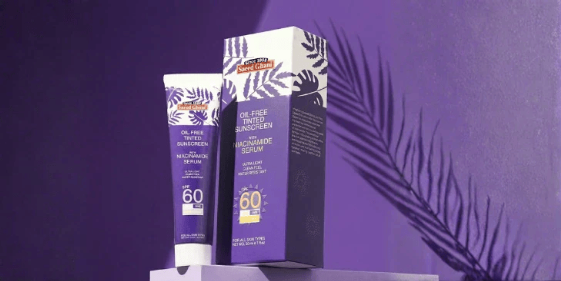
Most people with acne-prone skin avoid the use of sunscreen when they feel it is making them break out. If you’ve experienced SPF-related pimples, you’re not the only one. Heavy or oily formulas can block pores, particularly in hot and humid climates. But forgoing sunscreen entirely creates an even larger issue. Sun exposure does the opposite of what you want when dealing with acne (it exacerbates inflammation, dark spots, and oil production).
The answer is not to stop using SPF. It’s to pick the best sunscreen for oily skin that protects without clogging pores.
Why Some Sunscreens Cause Breakouts
Some sunscreens simply aren’t good for acne-prone skin. Rich creams and oily formulations can suffocate sweat and bacteria beneath the skin. This accumulation clogs pores and causes new pimples.
If you are getting pimples because of your SPF, see the texture of your sunscreen. Thick, greasy formulas tend to sit on the skin rather than soak in properly. This is the type of sunscreen you should avoid and switch to an oil-free sunscreen.
Connection Between Acne and Sun Protection
Getting by without sunscreen might seem like a time-saver, but it can damage your skin. UV rays cause inflammation (redness) and prolong the healing of acne scars. It can also cause excess oil production, which produces clogged pores.
A good sunscreen for acne-prone skin protects the skin barrier. Protection for your skin also helps it heal faster and prevents breakouts.
How to Choose Sunscreen for Acne-Prone Skin
If you’re puzzled as to what to use, concentrate on these features:
- Oil-free or lightweight formula
- Non-comedogenic (won’t clog pores)
- Matte or gel-based texture
- Suitable for sensitive skin
These characteristics prevent SPF from breaking out on her face but still provide adequate sun protection.
How to Wear Sunscreen Without Making Acne Worse
Applying the right product incorrectly can create problems. Follow these simple steps:
- Apply sunscreen after moisturizer
- Just apply a thin layer and rub
- Don’t layer too many thick products underneath.
- Apply thin layers instead of applying thick layers
These behaviors will enable your sunscreen or sunblock for the face to perform its job without blocking pores.
Final Thoughts
If you suspect sunscreen is triggering breakouts, don’t stop applying it. It’s typically the formula, not the SPF itself, that is problematic. Find the best sunscreen in Pakistan that is lightweight and easy to use. A good SPF protection can protect your skin and keep your pores clear.
Missing sunscreen may seem to help in the moment, though it usually makes acne worse and leaves marks that look darker. The right sunscreen makes sure that your skin remains balanced, protected, and healthier as time goes on.
Browse to find the best range of Sunscreens and sunblocks made for your skin type by Saeed Ghani.