Introduction
Pet healthcare products are no longer limited to basic treatments. Today’s veterinary market demands highly effective, safe, and precisely packaged solutions—especially when it comes to topical ointments. From skin infections to wound healing, these semi-solid formulations require careful handling during production.
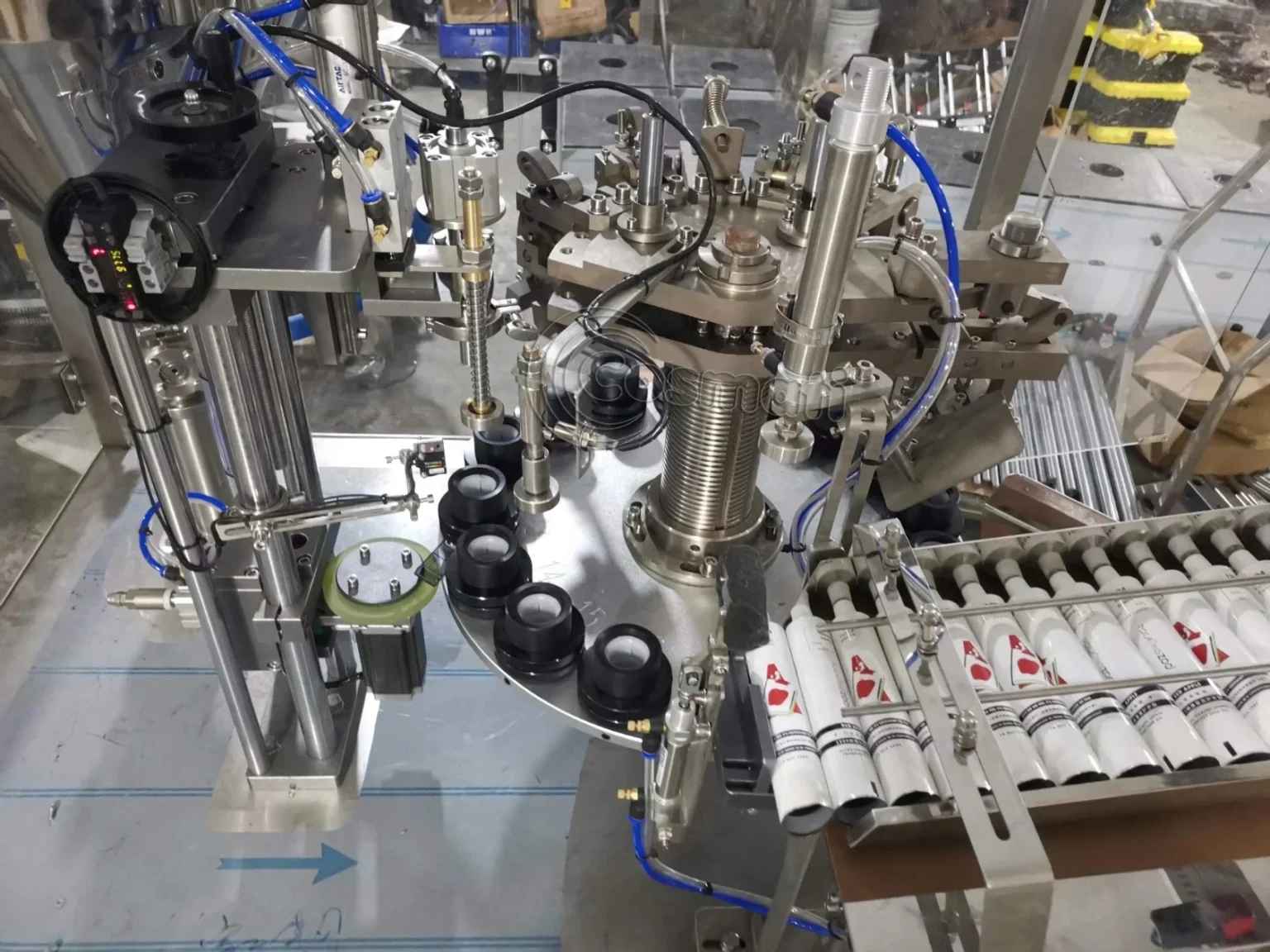
This is where pet ointment filling and sealing systems step in as a critical part of modern manufacturing. Instead of just filling containers, these systems ensure that every product maintains its effectiveness, stability, and hygiene from factory to end user.
Why Ointment Production is More Complex Than It Seems
Unlike liquid products, ointments present unique challenges:
- Thick and uneven consistency
- Sensitivity to temperature
- Risk of contamination during exposure
- Requirement of airtight packaging
Because of these factors, traditional filling methods are not suitable. Specialized filling and sealing systems are designed to handle these complexities without compromising quality.
Understanding the Full Process
The process of pet ointment filling and sealing is not just one step—it’s a carefully controlled workflow:
1. Controlled Material Preparation
Ointments are first prepared under controlled temperature conditions to maintain consistency and texture.
2. Accurate Dispensing
Using piston or servo-driven mechanisms, the ointment is dispensed into containers with high precision.
3. Immediate Sealing
Once filled, containers are instantly sealed to prevent contamination and maintain product stability.
4. Final Handling
Labeling, coding, and inspection ensure the product is ready for distribution.
Each stage is interconnected, and even a small inefficiency can impact the final product.
Where These Systems Are Used
You’ll find these systems at the core of manufacturing for:
- Veterinary skin treatment creams
- Anti-fungal and anti-bacterial ointments
- Healing balms for wounds and injuries
- Protective coatings for sensitive skin
- Specialty medicated gels
Each of these products requires careful handling, making advanced equipment essential.
Real Impact on Manufacturing Performance
Investing in the right system doesn’t just improve production—it transforms the entire operation.
Consistency Across Every Batch
Uniform filling ensures that every product meets the same quality standard.
Faster Production Cycles
Automation reduces manual work, allowing manufacturers to scale efficiently.
Reduced Product Loss
Precise dosing minimizes waste, which directly improves profitability.
Longer Shelf Life
Proper sealing protects the product from air and moisture, maintaining effectiveness.
Emerging Innovations in the Industry
The future of pet ointment filling and sealing is being shaped by smart technologies and automation.
- Integration with smart factory systems
- Real-time performance tracking
- Energy-efficient machinery
- Advanced leak detection systems
These innovations are helping manufacturers achieve higher precision with lower operational costs.
Practical Tips for Better Results
Even the best equipment needs proper handling. Here are some practical tips:
- Maintain consistent cleaning schedules
- Train operators thoroughly
- Monitor temperature and viscosity levels
- Regularly inspect sealing quality
These small steps can significantly improve performance and product reliability
Conclusion
In today’s competitive pet healthcare market, quality is everything. A well-designed pet ointment filling and sealing system does more than just package products—it ensures safety, consistency, and long-term reliability.
Manufacturers who invest in smarter, more adaptable systems are better positioned to meet growing demand while maintaining high standards. As technology continues to evolve, these systems will become even more essential in delivering effective and trusted veterinary solutions.