



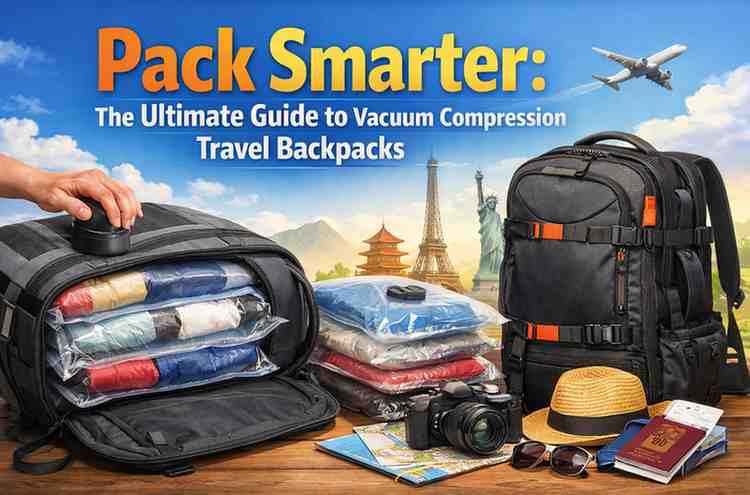
Planning a trip is about more than booking flights and picking destinations. For many travelers, the journey begins long before departure—when deciding what to pack and how to fit it all into a single bag. True to the spirit of in‑depth guides often found on lifestyle sites, this article dives deep into the benefits of a vacuum compression travel backpack and offers practical advice to make your next adventure smoother and more organized.
How vacuum compression works
A vacuum compression backpack integrates a sealed compartment and one‑way valve (or pump) into its design. After placing your clothes inside the compartment, you seal it and expel air by rolling, pressing or pumping. Air leaves the compartment but cannot re‑enter, causing the contents to compress. This simple process dramatically reduces the volume of soft items like shirts and jackets, freeing up space for other essentials.
The advantages of vacuum compression travel backpacks
- Maximized space: Compressing clothes means you can pack more without exceeding carry‑on limits. A single pair of jeans that typically takes up substantial space flattens to a fraction of its original size.
- Organized packing: Many compression backpacks include separate pockets for shoes, toiletries and electronics. Keeping items segregated makes it easy to locate what you need, whether you’re rushing through customs or unpacking in a hotel.
- Protection and cleanliness: Sealed compartments protect your clothes from moisture and dirt—an advantage when travelling to humid or dusty environments.
- Reduced wrinkling: Compressed clothes shift less during travel, helping garments remain relatively wrinkle‑free upon arrival.
- Versatility: These backpacks suit various travel types: city breaks, business trips, camping weekends or backpacking adventures. When you don’t need to compress, you can use the bag like any other backpack.
Step‑by‑step packing guide
Organized packing maximizes the benefits of your vacuum compression backpack:
- List your essentials: Write down everything you plan to bring. Divide items into categories such as clothing, toiletries, electronics and documents.
- Fold strategically: Fold tops and bottoms neatly to create flat, stackable layers. Rolling isn’t necessary here; flat items compress more effectively.
- Pack the compression sleeve: Place soft items inside the vacuum sleeve. Avoid overfilling—you’ll need room to seal it properly.
- Remove the air: Zip the sleeve shut, then press or roll out the air toward the valve. If your bag has a pump, use it according to instructions. Once air is expelled, close the valve securely.
- Add non‑compressible items: Shoes, toiletries, tech accessories and snacks go into separate pockets or the main compartment outside the vacuum sleeve.
- Adjust and secure: Fasten any exterior straps, adjust shoulder and waist belts for comfort, and test the weight distribution. Make adjustments if necessary to avoid back strain.
Common mistakes to avoid
Even the best gear can fail if misused. Avoid these pitfalls:
- Over‑stuffing: If you overfill the sleeve, air cannot escape effectively, and zippers may strain. Leave some room for the air to move.
- Ignoring airline weight limits: Compression reduces volume but not weight. Check your airline’s regulations and pack accordingly.
- Neglecting valve care: Dirt or sand can compromise the valve’s seal. Wipe it clean after each use and ensure it’s fully closed before travel.
- Storing damp clothes: Compression compartments trap moisture. Always pack dry items; dampness can lead to odors and mildew.
Choosing the right size and features
When shopping for a vacuum compression travel backpack, consider:
- Trip length: Weekend travelers may need a 20–30‑litre pack, while longer trips require more capacity. Remember that carry‑on dimensions vary by airline.
- Valve design: Manual valves are lightweight and reliable; mechanical pumps add convenience but may break or require batteries.
- Materials: Look for water‑resistant fabrics, sturdy zippers and reinforced seams. A good backpack should withstand years of use.
- Comfort: Padded straps, ventilated back panels and adjustable chest and waist straps can make a world of difference on long days.
- Added features: Hidden pockets, external attachment points and detachable organizers enhance versatility.
Sustainability and quality
Investing in a high‑quality backpack benefits both you and the environment. Cheaper bags with flimsy valves or thin fabric may need replacement after a few trips, creating waste. Durable materials and ethical manufacturing practices reflect a brand’s commitment to sustainability. Brands such as Black Voyage focus on craftsmanship and longevity, offering gear built to accompany you on numerous journeys.
By following this guide and using a vacuum compression travel backpack, you can pack smarter, travel with ease and stay organized. Smart packing saves time, reduces stress and leaves you free to enjoy the adventures that await you at your destination.