


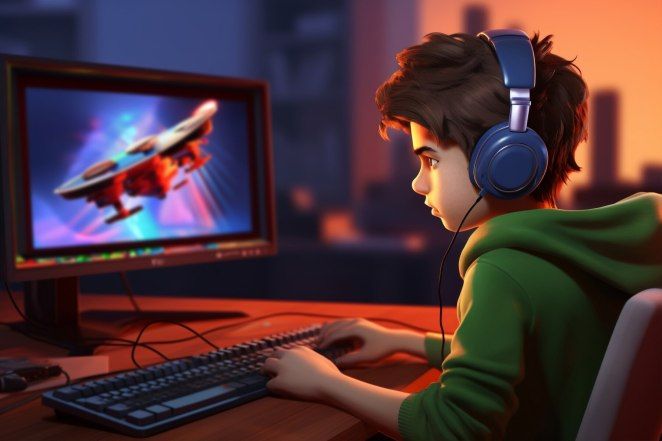
Online gaming has grown from a niche hobby into a worldwide phenomenon, capturing the attention of millions of people across all age groups. What makes it so popular isn’t just the thrill of playing a game—it’s the combination of challenge, creativity, and social connection. Today, online gaming is more than entertainment; it’s a lifestyle, a community, and sometimes even a career path.
What Online Gaming Really Is
At its core, online Slot97 gaming refers to video games that require an internet connection to play. These games let players interact in real time, either competing against each other or working together toward a common goal. Unlike traditional single-player games, online games are dynamic—each session is unique, shaped by the actions of other players. The scope ranges from casual mobile games like Clash of Clans to massive, immersive worlds like World of Warcraft, ensuring that there is a game for every type of player.
The Appeal of Online Gaming
One of the main reasons online gaming has exploded in popularity is its social aspect. Players can make friends around the world, join teams, and build communities. Many people find that online games provide a sense of belonging that is hard to replicate in real life. Whether teaming up for a raid in an MMORPG or competing in a fast-paced shooter, collaboration and communication are often key to success.
Another factor is accessibility. Modern games are available on a wide range of devices, from gaming consoles and PCs to smartphones and tablets. Cloud gaming and free-to-play models have lowered the barriers to entry, making it easier than ever for anyone to join in.
Types of Online Games
Online gaming isn’t just one experience—it’s a universe of options. Here are some of the most popular types:
- Massively Multiplayer Online Role-Playing Games (MMORPGs) – These games, like Final Fantasy XIV, immerse players in vast worlds where they can complete quests, fight bosses, and interact with thousands of other players.
- Battle Royale and First-Person Shooters (FPS) – Fast-paced games like Fortnite or Call of Duty: Warzone test players’ reflexes and strategic thinking in competitive environments.
- Casual and Mobile Games – For lighter, shorter gaming experiences, titles like Among Us or Candy Crush allow players to enjoy fun challenges without a huge time commitment.
- Creative and Sandbox Games – Platforms like Minecraft and Roblox encourage creativity, letting players design worlds, games, and stories that can be shared globally.
Positive Impacts of Online Gaming
Online gaming is often dismissed as a waste of time, but research and player experiences suggest otherwise. Games can improve cognitive skills like problem-solving, memory, and hand-eye coordination. Multiplayer games also enhance social skills and teamwork, as players must communicate effectively and strategize together. Many gamers report that online play relieves stress and provides a sense of accomplishment, particularly when mastering challenging levels or completing difficult objectives.
Challenges and Risks
While online gaming has many benefits, there are also risks. Excessive play can lead to sleep problems, decreased physical activity, and social withdrawal. Toxic behavior in online communities, such as harassment or cheating, can also negatively impact the experience. Moderation is key, and parents should guide younger players to ensure safe and healthy gaming habits. Setting limits and taking breaks can help maintain balance between virtual adventures and real-life responsibilities.
The Future of Online Gaming
The horizon for online gaming is exciting. Virtual reality (VR), augmented reality (AR), and artificial intelligence (AI) are creating more immersive and adaptive game experiences. Imagine exploring a fully interactive world where your choices shape the environment or competing in an esports tournament with lifelike virtual avatars. As internet connectivity continues to improve globally, more people will have the opportunity to participate, making online gaming an increasingly central part of entertainment culture.
Conclusion
Online gaming has transformed the way people play, connect, and compete. It is no longer just a pastime—it is a social and cultural phenomenon that blends strategy, creativity, and teamwork. Whether you are a casual player, a competitive gamer, or a creative builder, online games offer endless possibilities for fun, learning, and social interaction. With mindful play, this digital world can be a place of growth, friendship, and unforgettable adventures.