If you’ve ever felt the discomfort of bloating or tummy troubles after enjoying a creamy bowl of cereal, you might be one of the millions navigating lactose intolerance. But don’t fret—there’s a delicious solution that lets you savor dairy without the digestive dilemma: lactose free milk. This friendly alternative offers all the familiar tastes and textures you love while being kinder on your stomach.
Whether you’re mixing it into your morning coffee, pouring it over granola, or whipping up smoothies, lactose free milk has become a staple in many kitchens. Curious about its benefits? Or perhaps wondering how to work it into your daily routine? Dive in as we explore everything from its advantages to mouthwatering recipes that showcase this versatile ingredient!
Benefits of Lactose Free Milk
Lactose free milk offers a range of benefits for those who struggle with lactose intolerance. It provides the same essential nutrients as regular milk, including calcium and vitamin D, crucial for bone health.
One significant advantage is digestion. Without lactose, many individuals experience fewer gastrointestinal issues like bloating and gas.
Taste is another perk. Many people find that lactose free milk has a slightly sweeter flavor due to the breakdown of lactose into simpler sugars. This can enhance your morning coffee or favorite cereal.
For fitness enthusiasts, it serves as an excellent source of protein without causing discomfort post-workout.
Plus, it’s versatile! You can use it in baking or cooking just like traditional milk while still enjoying its creamy texture and rich taste.
Differences between Lactose Free Milk and Regular Milk
Lactose free milk and regular milk may look alike, but they have key differences that cater to various dietary needs.
The primary distinction lies in lactose content. Regular milk contains lactose, a natural sugar that can be difficult for some people to digest. Lactose free milk undergoes a process where lactase enzyme is added. This breaks down lactose into simpler sugars, making it easier on the stomach.
Flavor-wise, many find lactose free milk slightly sweeter than its regular counterpart due to this breakdown of sugars. The texture remains similar, allowing it to be used interchangeably in most recipes or beverages.
Nutritionally, they are quite comparable; both provide essential nutrients like calcium and vitamin D. However, individuals with lactose intolerance will benefit more from choosing lactose free options without sacrificing taste or nutrition.
Who Should Drink Lactose Free Milk?
Lactose free milk is an excellent choice for those with lactose intolerance. This condition affects many people, causing digestive discomfort when consuming regular dairy products.
Children and adults who experience bloating, gas, or cramps after drinking milk may find relief in lactose free options. It allows them to enjoy the taste of milk without unpleasant side effects.
Those following a low-lactose diet due to specific health conditions can also benefit from switching to lactose free alternatives.
Additionally, anyone seeking a smoother digestion process might consider incorporating this type of milk into their meals. It provides all the essential nutrients found in standard milk while being gentler on the stomach.
Even individuals who aren’t intolerant but simply prefer a lighter option can still enjoy its creamy texture and flavor without worry. Lactose free milk caters to various dietary needs and lifestyle choices seamlessly.
How to Incorporate Lactose Free Milk into Your Diet
Incorporating lactose free milk into your diet can be both simple and enjoyable. Start your day by swapping regular milk with lactose free alternatives in your morning coffee or tea. The creamy texture will enhance the flavor without any discomfort.
For breakfast, pour it over cereal or blend it into smoothies for a nutritious boost. You’ll hardly notice the difference!
When cooking, use lactose free milk in recipes that call for dairy. From creamy sauces to baked goods, this versatile ingredient fits right in.
Consider using it in soups and stews as well. It adds richness while keeping those tummy troubles at bay.
Don’t forget about snacks! Dip fruits or cookies into a glass of chilled lactose free milk for a delightful treat on warm afternoons. Experimenting with this substitute opens new culinary doors while ensuring you feel great afterward!
Delicious Recipes using Lactose Free Milk
Lactose free milk opens up a world of culinary possibilities. It’s perfect for creamy sauces, rich soups, and delightful desserts.
Try making a classic mac and cheese with lactose free milk. The result is cheesy goodness without the discomfort. Simply substitute regular milk in your favorite recipe for that same comforting flavor.
For breakfast lovers, whip up fluffy pancakes using lactose free milk. Add blueberries or chocolate chips for an extra treat.
Don’t forget about smoothies! Blend it with bananas, spinach, and a scoop of protein powder for a nutritious start to your day.
If you’re craving dessert, consider a luscious rice pudding. Cook rice gently in lactose free milk with cinnamon and vanilla until creamy perfection is achieved.
These recipes showcase how versatile lactose free milk can be while keeping meals deliciously satisfying.
Alternatives to Lactose Free Milk
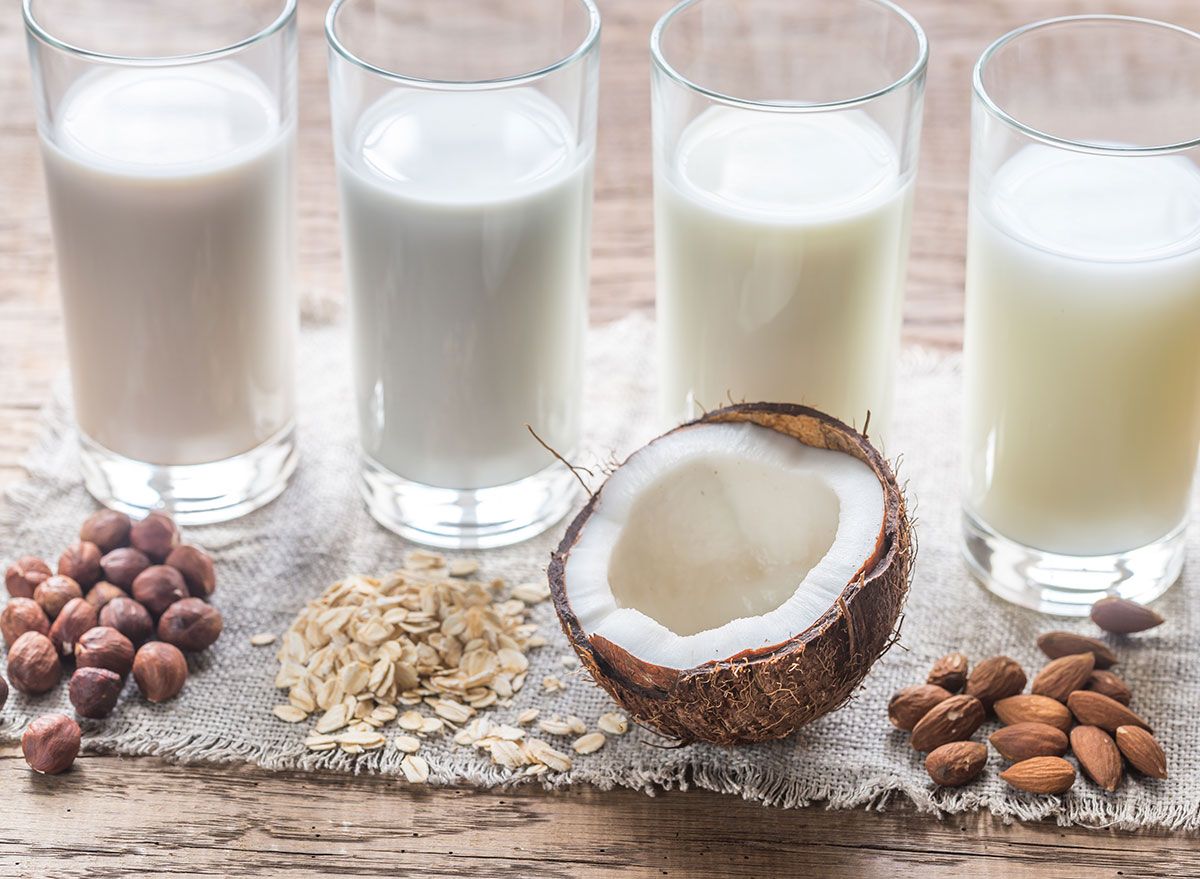
For those seeking alternatives to lactose free milk, there are several options worth exploring. Plant-based milks have surged in popularity and come in various flavors. Almond milk is light and nutty, while coconut milk adds a tropical twist to your favorite recipes.
Soy milk stands out for its protein content, making it a robust choice for smoothies or coffee. Oat milk has gained fans for its creamy texture that works well in baking or as a frothy addition to lattes.
Rice milk offers a sweet flavor profile without any allergens found in nuts or soy. Hemp milk brings an earthy taste packed with omega-3 fatty acids.
Each alternative presents unique culinary possibilities. Experimenting with these options can lead you to discover new favorites while maintaining dietary comfort.
Conclusion
Lactose free milk is a fantastic option for those who love dairy but have difficulty digesting lactose. It offers numerous benefits, making it an excellent choice for a wide range of individuals.
For anyone struggling with lactose intolerance or wanting to reduce digestive discomfort, switching to lactose free milk can be life-changing. It’s rich in calcium and vitamin D, ensuring you still get the nutrients found in regular milk without the unwanted side effects.
Incorporating this versatile product into your meals is easy. Whether you’re adding it to your morning coffee, using it in baking recipes, or whipping up smoothies, there are endless possibilities to enjoy its creamy goodness.
With delicious recipes at hand and various alternatives available if needed, including almond and soy milks for those looking for plant-based options, there’s no reason not to give lactose free milk a try. Embrace this delightful substitute that caters to both taste buds and health needs!