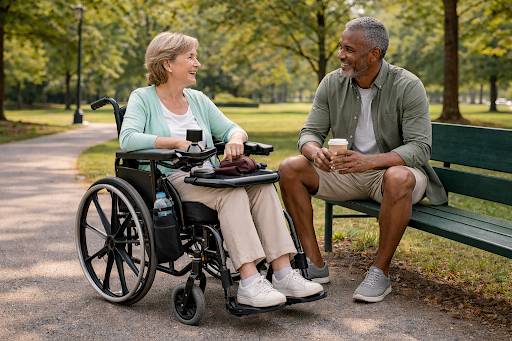
Everyday mobility is influenced by how well support solutions align with personal needs. Thoughtful choices can reduce physical strain, improve comfort and support long term independence. Rather than focusing only on movement, effective mobility support considers how individuals live, interact and participate in daily life.
For many people, maintaining independence depends on having mobility support that is simple and responsive. A Manual Wheelchair often provides a practical balance between control and flexibility, allowing individuals to move at their own pace while remaining actively involved in daily movement. This type of mobility support can be especially effective in familiar environments where adaptability and ease of use matter most.
Understanding the Importance of Comfort in Mobility
Comfort is a key factor in long term mobility use. When mobility support feels uncomfortable or restrictive, individuals may limit their movement, which can affect physical health and confidence over time. Proper comfort encourages regular use and supports healthier daily routines.
Comfort also affects posture and energy levels. Support that aligns well with the body helps reduce fatigue and strain, making everyday movement more manageable and sustainable.
Supporting Confidence Through Ease of Use
Ease of use plays a major role in confidence. When mobility support responds smoothly to movement and feels predictable, individuals are more likely to rely on it throughout the day.
This reliability allows people to focus on activities rather than the mechanics of movement, supporting independence and peace of mind.
Usability in Different Daily Environments
Daily life often involves moving through a variety of spaces, including homes, workplaces and public areas. Mobility support should adapt easily to these environments without requiring constant adjustments.
Usability improves when movement feels intuitive. Clear pathways, adequate space and supportive layouts allow individuals to navigate different settings with less effort and greater confidence.
Encouraging Active Daily Participation
When mobility support works well across environments, individuals are more likely to remain active. Activities such as visiting friends, completing errands or spending time outdoors become more accessible.
This participation supports emotional wellbeing and helps individuals maintain social connections, which are essential for overall quality of life.
The Role of Environment in Mobility Support
The surrounding environment plays an important role in how effective mobility support can be. Even well suited support becomes less useful in spaces that are cluttered or poorly planned.
Environments designed with accessibility in mind allow mobility solutions to function as intended. Smooth surfaces, clear layouts and thoughtful design choices support safe and efficient movement.
Reducing Barriers Through Thoughtful Design
Removing unnecessary obstacles improves both safety and comfort. Simple design considerations can reduce strain and make movement more predictable.
These improvements benefit not only individuals using mobility support but also caregivers, visitors and family members.
Adapting Mobility Support Over Time
Mobility needs can change gradually due to age, health conditions or lifestyle shifts. Choosing support that can adapt to these changes helps maintain continuity in daily routines.
Adaptability allows individuals to adjust without feeling disrupted or restricted. This flexibility supports long term independence and confidence.
Supporting Long Term Wellbeing
Consistent mobility support encourages regular movement, which contributes to physical strength and emotional wellbeing. When individuals feel capable of moving comfortably, they are more likely to stay engaged and motivated.
This ongoing engagement supports a positive outlook and greater independence over time.
Enhancing Daily Movement With Practical Additions
In many cases, small enhancements can significantly improve comfort and usability. Thoughtfully selected Wheelchair Accessories allow individuals to customize their mobility support based on personal preferences and daily routines.
These additions can improve convenience, comfort and functionality without major changes. Customization helps mobility support feel more personal and responsive to individual needs.
Long Term Impact of Thoughtful Mobility Choices
Thoughtful mobility choices provide benefits that extend beyond immediate movement needs. They support consistency, reduce physical strain and encourage continued participation in daily life.
Over time, reliable and well suited mobility support helps individuals maintain independence while adapting to changing circumstances. These choices contribute to a more active, confident and fulfilling daily experience.
Conclusion
Improving comfort and usability in everyday mobility is essential for supporting independence and quality of life. When mobility support aligns with individual needs, it enhances confidence, participation and long term wellbeing.
By focusing on comfort, usability and adaptability, individuals can continue navigating daily life with dignity and control. Thoughtful mobility choices create a foundation for independence, allowing people to remain active and engaged in the activities that matter most.