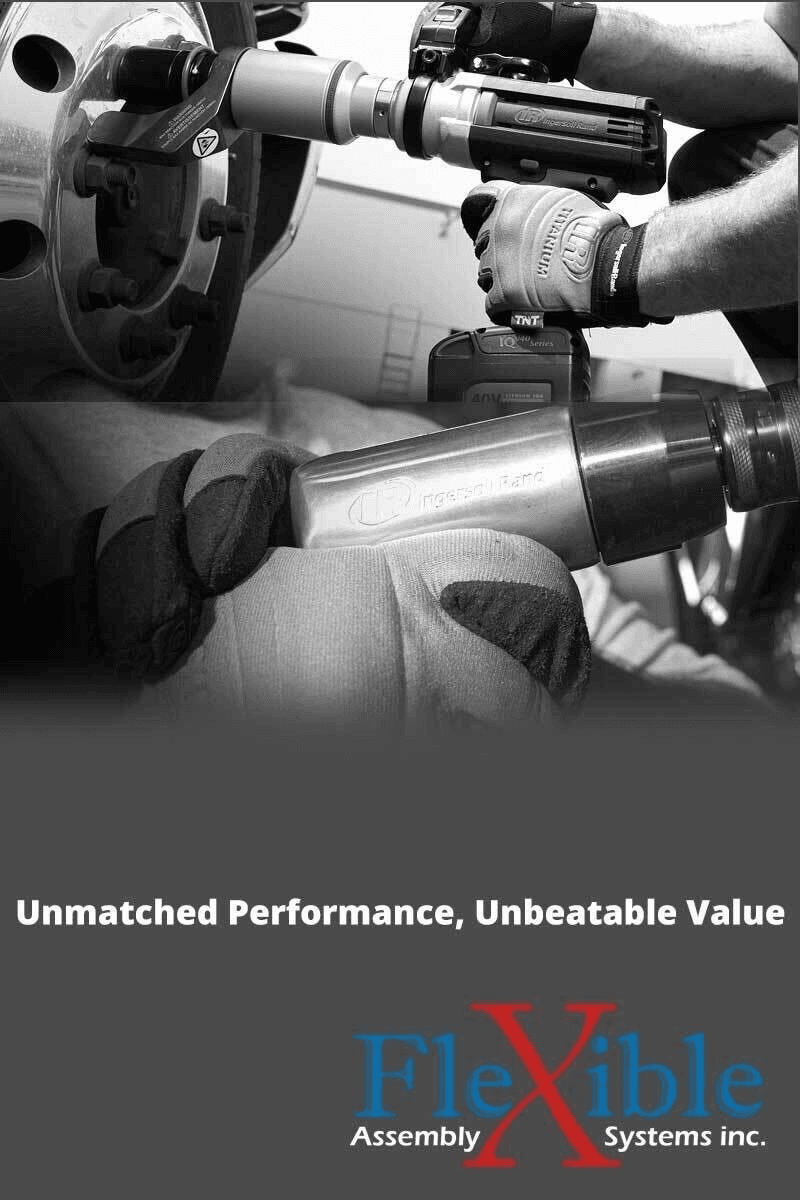
Fast-paced assembly lines demand steady torque, consistent clutch slip, and minimal downtime. For years, corded impact wrenches held down that fort. Yet teams face tangled cables, limited range, and cluttered floors. A shift to cordless impact wrenches unlocks new freedom and performance. This guide explains why so many operators, supervisors, and asset managers make that move. You learn the key benefits, the trade-offs, and the steps to a smooth tool swap.
The rise of impact wrenches
Impact wrenches pack power into every fastener join. They deliver repeated hammer-hammer torque pulses, driving bolts deep into place. In many plants, corded models still sit on the bench or hang from the ceiling. They serve high-torque joints in engines, frames, or heavy chassis. Their draw on AC power gives steady output and endless run time. Yet that tether to a cord brings its own friction.
Challenges with corded units
- Cable clutter on the floor slows operator reach
- Work zones limit to stray cable length
- Cable wear or cuts lead to shocks or tool downtime
- Need for reel systems and regular cable replace
- Risk of cable snag on frames or fixtures
Every shackled operator wastes seconds each cycle on cable management. That drag mounts pain in joints and strain in backs. Over a 10-hour shift, minor delays accrue into lost hundreds of parts.
The cordless impact wrench leap
Battery-powered units once lagged in torque and run time. Today’s lithium pack motors compare head-to-head with corded cousins. You get high torque, steady speed, and quick charge cycles. A single battery swap sustains a full shift. No cord. No reel. No trip hazard.
Core perks
- Tool sits free in hand and arm, no cable pull
- Wider working radius up to complex fixture zones
- Simple swap of one battery for another
- Instant start with no reel up or duct tape
- Tool weight balanced for less operator strain
Operators roam line side, reach under assemblies, and shift between stations without a cable swap. That agility lifts output and cuts rework.
Torque performance on par
A cordless impact wrench now offers peak torque figures that match or exceed corded models. Modern brushless motors deliver high stall torque and consistent pulse rate. A high-density battery pack feeds constant power till its state nears zero.
Key metrics
- Stall torque: up to 1,200 N·m in top models
- No-load speed: 0 to 2,500 rpm with multiple gear settings
- Pulse rate: 3,500 to 4,500 bpm for tough joints
- Battery amps hr: 5 Ah to 12 Ah packs for extended run
With clear torque-setting modes and clutch steps, operators hit the target clamp load every cycle. A digital display on some models shows tool mode and battery life.
Ergonomics and safety gains
Cordless tools remove a major trip-and-fall risk. A loose cable no longer robes the floor. A balanced impact wrench cuts wrist torque. A lighter tool means less shoulder pump.
Operator health
- Less wrist twist from torque reaction
- Reduced back bend when reaching overhead
- No cable trip in narrow aisles
- Lower noise levels with brushless motor pulse control
Safety officers applaud fewer trip hazards and less strain-related absence. Teams report improved morale as tasks feel less like a tug-of-war.
Maintenance and uptime
Corded models need cable checks, reel maintenance, and strain relief worry. A cut cable can ground a station. A worn reel brake leads to cable burn. Cordless units simplify that picture. You keep batteries healthy and tool pads clean. No cable splice or set of reels to overhaul.
Maintenance focus
- Charge batteries per hour-of-use
- Store packs in a cool, dry rack
- Inspect tool heads for worn anvil or hammer parts
- Apply grease and replace seals per schedule
- Calibrate torque mode sensors per ISO 6789 intervals
Fewer maintenance points mean less chance for a missed inspection. Each tool stays live on the floor longer.
Cost considerations
A switch to cordless involves new tool buys and battery inventories. Yet you shed cable reel systems, cord stock, and cable-repair budgets. You also cut downtime tied to cable cuts or reel failures.
Cost factors
- Cordless impact wrench: 250to800 per tool
- Battery pack: 100to300 each
- Battery charger: 200to500 per bank
- Cord replacements: 20to50 per cable
- Reel system: 500to2,000 each
Over 12 months, a site may spend 10–15 % less on maintenance and cable-related parts. Add the productivity gain from no-cord agility and you see total cost of ownership tilt toward cordless units.
Adaptation on the line
Switching tools requires launch steps. A sudden swap can cause chaos. A phased rollout works best. Start at one station with a pilot tool set. Track cycle time, scrap rate, and tool uptime. Gather operator feedback on balance and mode selection.
Rollout steps
- Identify hot spots: zones with cable snarls or high trip risk.
- Demo cordless units at one cell. Collect data for two weeks.
- Tweak battery bank size and tool mode presets.
- Train operators on battery swap, mode switch, and tool care.
- Gradually replace corded units across lines in groups.
- Capture productivity and maintenance data per phase.
This method shrinks risk and lets you build confidence in cordless tech. It also flags any torque-or-mode quirks early.
Integration with data systems
Many cordless models link via Bluetooth or cable to your PC or network. Each torque pulse and counter click can register in an audit log. You confirm each join met spec and track battery hours per tool.
Data points
- Tool ID and serial number
- Torque mode and gear setting
- Battery state at start and end of shift
- Join count per battery pack
- Calibration date and next due date
That log supports quality audits and preventive service. You avoid unplanned stoppage and prove each joint met your spec.
Best practices for battery health
A battery pack sits at the heart of cordless tools. Keep packs healthy and they power a full shift.
Battery care
- Store packs at 20 °C for longest life
- Avoid full discharge; swap at 20 % state
- Cycle packs monthly to prevent cell imbalance
- Clean terminals to avoid high-resistance spots
- Use manufacturer-approved chargers only
A healthy pack retains 80 % capacity after 500 cycles. Lower loss means more runtime per shift and fewer pack swaps.
Impact on floor layout
Cordless units free you from fixed reel points, letting you redesign workstation zones. No reel means no cable reel pillar or bracket. You can narrow aisles and place tool racks where they fit ergonomic flow. A compact battery rack works at each cell. That rise in flexibility yields higher layout density and faster flow.
Layout gains
- Station width shrinks by 20 % without cable
- Fewer overhead tracks and reels to obstruct line robots
- Compact battery bank at work cell
- More space for parts staging or quality check
Lean coordinators love the newfound real estate. They add buffer bins or inspection stations where cable once barred the way.
Operator feedback and buy-in
Operators voice relief at no more cable pinch. They spot immediate ease when swapping tools and roaming line side. They like fewer pulls and twists when they shift from one join to the next. In surveys, many pick cordless first for its freedom and balance.
Feedback highlights
- Tool feels lighter by 10–15 % versus cable model
- Quick swap of battery versus cable reel twist
- Less tool reset when moving from hole to hole
- Ease in tight spaces near fixtures or weld guns
Operator buy-in drives adoption. When they see and feel the gain, they sell cordless across other cells and departments.
Why Choose Flexible Assembly Systems?
Flexible Assembly Systems stands ready to assist in your tool evolution. You gain:
- Tool match: select the right cordless impact wrench models and battery packs for your torque needs
- Station design: layout proposals to maximize cordless freedom and part flow
- Data link: integrate tool logs with your SPC or MES platform
- Coaching: operator sessions for tool swap, mode selection, and battery care
- Field service: mobile techs to calibrate tools, swap faulty packs, and tune your network
Our team guides you from pilot launch to full rollout. You hit quality benchmarks and sustain uptime as you swap cords for battery packs.
Next steps on your cordless journey
Adopt a cordless trial on your most cable-bound station. Track these metrics before and after the trial:
- Cycle time per join
- Error or rework rate
- Operator fatigue score
- Maintenance hours on cables and reels
- Battery swap frequency
Benchmark those values, then expand success to other zones. A data-driven rollout smooths change management and wins instant wins in safety, quality, and throughput.
A shift from corded to cordless impact wrenches calls for planning, buy-in, and expert support. Start with a small pilot, gather results, and scale up. Flexible Assembly Systems backs you at every stage. Swap cords for battery packs and watch your teams finish more parts with fewer mishaps.