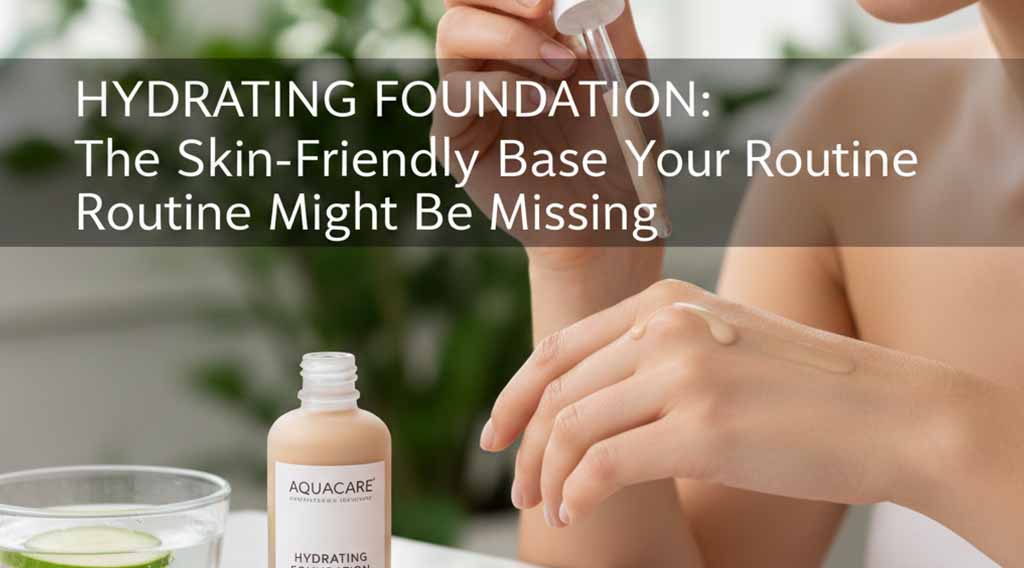
When it comes to makeup, foundation often gets a reputation for being heavy, cakey, or drying — especially for those with dry or sensitive skin. But the world of complexion products has evolved. Enter hydrating foundation: a makeup essential that not only provides coverage but also nourishes and supports your skin’s natural moisture. In this post, we’ll explore what hydrating foundation is, why it’s worth considering, and how to choose and apply it for your best skin yet.
What Is Hydrating Foundation?
Hydrating foundation is a type of complexion makeup formulated to provide lightweight to medium coverage while actively moisturizing the skin. Unlike traditional foundations that can sit on the surface and sometimes accentuate dry patches, hydrating formulas incorporate skin-loving ingredients like hyaluronic acid, glycerin, plant oils, and ceramides. These components attract and lock in moisture, helping your skin look dewier and feel more comfortable throughout the day.
Hydrating foundations often blur the line between skincare and makeup. Many are enriched with antioxidants and vitamins that support skin health over time, making them ideal for everyday use.
Why Choose a Hydrating Foundation?
Hydrating foundations offer a range of benefits that go beyond simply evening out your complexion. Here’s why they’re becoming a go-to choice for many beauty lovers:
1. Moisture That Lasts
Dryness is one of the most common complaints among foundation wearers. A hydrating foundation helps alleviate this by infusing the skin with moisture and preventing that tight, uncomfortable feeling that some heavier foundations can cause.
2. A Natural, Radiant Finish
One of the biggest perks of hydrating formulas is their finish. Where matte foundations can look flat or powdery, hydrating foundations give skin a subtle glow that mimics natural luminosity. This radiant finish is flattering on most skin types and especially complements dry, mature, or normal skin.
3. Comfort for Sensitive Skin
Foundations with hydrating properties tend to be gentler and more soothing on the skin. Because they focus on moisture balance, they’re less likely to accentuate irritation, flakiness, or redness — a big win for sensitive skin types.
4. Flexible Coverage
Hydrating foundations typically offer buildable coverage, meaning you can wear them sheer for a natural look or layer them for more coverage without the mask-like effect. This flexibility makes them ideal for both everyday wear and special occasions.
Key Ingredients to Look For
Not all hydrating foundations are created equal. When choosing a formula that will benefit your skin, consider these nourishing ingredients:
Hyaluronic Acid
A moisture magnet, hyaluronic acid attracts and holds water in the skin, helping to plump fine lines and boost hydration.
Glycerin
Like hyaluronic acid, glycerin draws moisture to the skin and helps keep it there, resulting in a smoother texture.
Antioxidants and Vitamins
Ingredients like vitamin E and plant extracts help protect the skin from environmental stressors while supporting overall skin health.
Plant Oils and Emollients
Natural oils like jojoba or squalane provide nourishing fats that mimic the skin’s own barrier, helping to maintain softness and suppleness.
How to Choose the Right Hydrating Foundation
Picking the right hydrating foundation depends on your skin type, lifestyle, and the kind of finish you want. Use the following guidelines to find your best match:
- For Dry or Dehydrated Skin: Look for formulas labeled “hydrating,” “dewy,” or “moisture-rich.” These will provide the extra nourishment your skin needs.
- For Normal Skin: A hydrating foundation with medium coverage will enhance your natural glow without feeling heavy.
- For Combination Skin: Choose a formula that balances hydration with oil control. You can also pair a hydrating foundation with a mattifying primer in the T-zone.
- For Oily Skin: While hydrating foundations are generally associated with dewiness, many are lightweight and won’t clog pores. Look for non-comedogenic options with a satin finish.
Application Tips for Flawless, Hydrated Skin
Achieving a smooth, radiant look with hydrating foundation is all about preparation and technique. Here’s how to make it work:
1. Start with Skincare
Cleanse and moisturize your skin before makeup. A dewy primer can amplify hydration, especially in dry areas.
2. Apply with Care
Use a damp makeup sponge or a dense foundation brush to gently tap the foundation into the skin. This helps maintain moisture and blend the product seamlessly.
3. Build Coverage Gradually
Hydrating foundations are designed for buildability. Start with a thin layer and add more only where you need it.
4. Set Strategically
If you’re prone to oiliness, lightly set your T-zone with a translucent powder. For a glowing finish, skip powder on the high points of your face.
Who Will Love Hydrating Foundation?
Hydrating foundations are incredibly versatile, but they’re especially suited to:
- People with dry or dehydrated skin
- Those seeking natural, glowing makeup looks
- Anyone who wants makeup that feels comfortable all day
- Makeup beginners who prefer flexible, easy-to-blend formulas
Conclusion
Hydrating foundation has become a must-try for anyone looking to combine skincare benefits with makeup performance. With nourishing ingredients, a radiant finish, and customizable coverage, it offers a fresh alternative to traditional foundations that can sometimes feel heavy or drying.
Whether you’re new to makeup or seeking to elevate your routine, a hydrating foundation can help you achieve a glowing, healthy-looking complexion without sacrificing comfort. By choosing the right formula and applying it thoughtfully, you can enjoy beauty that feels as good as it looks.