



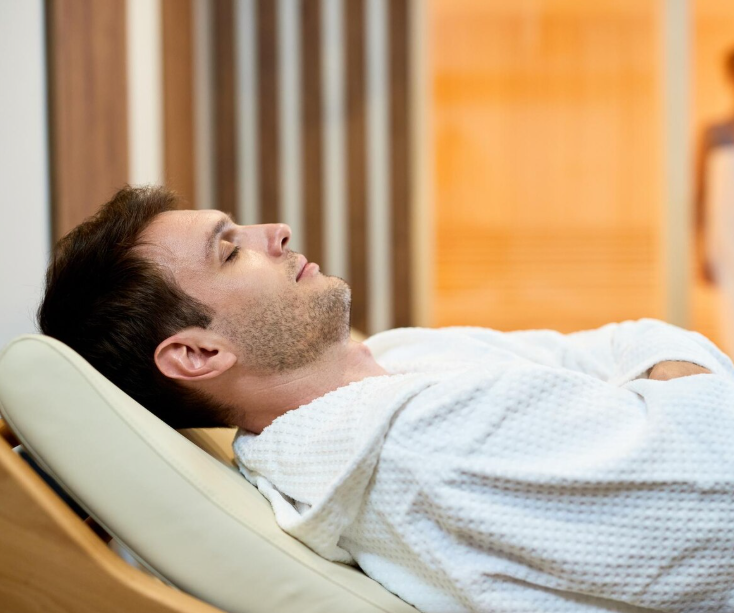
Passive heat exposure can raise heart rate, widen blood vessels and increase blood flow to the skin without the joint impact of strenuous exercise. These responses have prompted researchers to examine whether regular thermal therapy could influence cardiovascular health and healthy ageing.
The evidence is still developing, and passive heating should complement physical activity, sleep and balanced nutrition rather than replace them. It cannot treat a medical condition on its own. The practical challenge is to use heat at a tolerable level, build a repeatable routine and recognise when medical advice is needed.
What Studies Reveal About Longevity
Much of the interest in thermal therapy comes from observational research linking frequent sauna bathing with lower rates of cardiovascular events and premature death. Such findings show an association, not proof that heat exposure caused the outcome. People who use saunas regularly may also exercise more, have higher incomes or follow other health-supporting habits that influence longevity.
Ageing also affects the smaller blood vessels responsible for delivering oxygen and nutrients to tissues. Researchers are investigating whether repeated passive heating could influence these microvascular changes. One area of investigation involves examining how the blood vessels respond to repeated warmth, including through lower-leg immersion in heated water. The registered study on heat, microvascular function and ageing at https://ctv.veeva.com/study/heat-microvascular-function-and-aging explores these responses. Although this research may help explain how the body reacts to repeated heat exposure, it does not yet establish whether sauna bathing can slow age-related vascular changes.
Heat creates a temporary cardiovascular workload. As skin temperature rises, the body sends more blood towards the surface to release heat. Heart rate may increase, and sweating helps control core temperature. Repeated exposure could encourage useful adaptations, though the ideal temperature, session length and weekly frequency remain under investigation.
Longevity claims therefore need perspective. A sauna routine may influence markers associated with long-term health, but no credible session promises extra years of life. Treat thermal therapy as one part of a wider plan that includes regular movement, social contact, restorative sleep and routine healthcare. Those established habits still carry the strongest evidence.
Vascular Elasticity and Blood Flow
Healthy arteries expand and contract as blood moves through them. Ageing, inactivity and certain health conditions can reduce this flexibility, making it harder for the cardiovascular system to respond efficiently to changing demands. Passive heating may influence vascular function because warmth encourages vasodilation, which is the widening of blood vessels.
During a session, increased skin blood flow helps the body release heat. The heart pumps faster to maintain circulation while blood vessels adjust their diameter. Researchers use measures such as flow-mediated dilation, arterial stiffness and microvascular function to assess these responses. However, improvements in these measures are not guaranteed. Research examining passive heat exposure in adults with cardiovascular risk factors or established cardiovascular disease found that eight weeks of Finnish sauna use did not significantly improve measured vascular function or blood pressure in participants with stable coronary artery disease.
A separate investigation involving lower-leg hot-water immersion found a preliminary improvement in endothelial function among adults with type 2 diabetes. These findings, discussed in research on passive heat exposure and vascular function at https://www.physoc.org/abstracts/effect-of-passive-heat-exposure-on-vascular-function-in-adults-with-cardiovascular-risk-factors-or-established-cardiovascular-disease/, show why results need to be considered in relation to the specific population and type of heat exposure being studied.
The immediate sensation of warmth doesn’t prove that lasting vascular change has occurred. Any potential adaptation depends on repeated exposure over time, and researchers are still investigating whether these changes translate into meaningful long-term health benefits. Consistency may matter more than making an occasional session exceptionally hot or long.
You can support cardiovascular health through regular movement, including daily walking and resistance exercise on two or more days each week. Stand up regularly if your work keeps you seated for long periods. Hydration also matters because heavy sweating reduces fluid volume and can cause dizziness, headache or unusual fatigue.
Anyone with heart disease, low blood pressure, circulation problems or a history of fainting should ask a clinician for individual guidance first. Stop immediately if you experience chest discomfort, confusion, nausea or pronounced light-headedness.
Selecting Traditional or Infrared Models
Traditional and infrared models create heat in different ways. A traditional sauna warms the surrounding air, commonly producing a hotter environment that heats the body through contact with that air. An infrared model uses radiant energy to warm the body more directly, often at a lower air temperature. Hybrid designs allow users to choose between the two experiences.
Comfort should guide the initial choice. Someone who enjoys enveloping heat and brief, hotter sessions may prefer a traditional model. A person who finds high air temperatures uncomfortable might favour infrared heat. The lower displayed temperature shouldn’t be confused with an automatically gentler session, since duration, hydration and individual tolerance still affect the physical load.
When comparing home sauna options, consider the type of heat you prefer, how many people will use the cabin and the space available for installation. The different options at vidalux.co.uk/home-saunas include infrared, traditional Finnish and hybrid models, allowing you to compare heating styles and cabin configurations. Check each model’s dimensions, electrical requirements and installation instructions before choosing, as these details can vary between sauna types and sizes.
Think about who will use the space. Easy controls and a comfortable bench height can matter more than decorative features, particularly in a shared household. Surfaces should be simple to clean, and the room needs enough space for users to sit without touching the heater or feeling confined.
No model can guarantee a particular health outcome. The best practical option is usually the one you can use comfortably and maintain correctly. If heat feels oppressive within a few minutes, a lower setting and shorter session provide a more workable starting point.
Sensible Protocols for Habit Building
Start conservatively, even if you’re fit. A first session of around five to ten minutes gives you time to assess how your body reacts. Leave the heated space if you feel unwell, then cool down gradually and drink water. If several short sessions feel comfortable, you can increase duration in small increments instead of changing time and temperature together.
A simple routine might involve two sessions per week at a moderate setting, scheduled after a light day or at a time when you’re already well hydrated. Record the temperature, approximate duration and how you felt afterwards. This brief log can reveal that a particular setting disrupts sleep, causes a headache or works well after an easy walk.
Avoid chasing extreme sweat levels. Sweat rate varies widely and doesn’t measure toxin removal, fitness gains or session quality. Fluid lost through sweating is mainly water and electrolytes, so rapid weight change after heating reflects temporary fluid loss. Replace fluids steadily and allow your body to return to a comfortable temperature before showering or moving into a colder setting.
Speak to a healthcare professional before starting if you’re pregnant, take medicines that affect blood pressure or fluid balance, or have a cardiovascular, kidney or neurological condition. Never use passive heat when feverish, dehydrated or acutely unwell.
A routine that remains comfortable for months has more practical value than an intense plan abandoned after a week. If you prefer using the sauna in the evening, allow enough time afterwards to cool down, rehydrate and prepare for sleep. This transition from work to rest can include other simple habits, too. Gentle movement, adequate hydration and a consistent bedtime can all help you unwind after a demanding day, as part of a broader end-of-day recovery routine discussed at https://charfen.co.uk/how-busy-professionals-can-build-a-simple-end-of-day-recovery-routine/. Choose a repeatable time, keep the temperature moderate and let your response guide gradual changes. The most useful session should leave you feeling settled and recovered, not depleted.