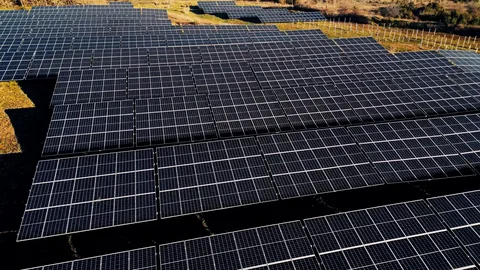
As the world increasingly turns towards renewable energy solutions, technologies like solar panels play a critical role in reducing our dependence on fossil fuels and mitigating climate change. Optical coating plays a crucial role in enhancing the performance and efficiency of solar panels and other green technologies. By optimizing light absorption and energy conversion, these coatings contribute to making renewable energy solutions more effective and sustainable.
In this article, we explore how optical coating improves the efficiency of solar panels and other green technologies, increasing energy output and helping industries focused on renewable energy achieve greater sustainability.
1. Enhancing Light Absorption in Solar Panels
One of the primary ways optical coating improves the efficiency of solar panels is by enhancing light absorption. Solar panels work by converting sunlight into electricity, but not all the light that hits the panel is captured and used for energy conversion. Optical coatings can be applied to the surface of solar panels to optimize the way light interacts with the materials, ensuring that more sunlight is absorbed and converted into energy.
By reducing the reflection of light and allowing more light to penetrate the panel’s surface, optical coating increases the amount of energy that can be captured, directly improving the efficiency of solar energy conversion.
Light Absorption Benefits:
- Increased energy conversion: More light is absorbed, improving the efficiency of solar panels.
- Reduced reflection: Coatings minimize the amount of sunlight reflected off the surface, maximizing absorption.
- Enhanced performance: Optimized light interaction leads to better overall performance of solar panels.
2. Reducing Surface Reflectance for Better Efficiency
Optical coating plays a key role in reducing surface reflectance, a common issue in solar panel design. Without coatings, a significant portion of sunlight can be reflected away from the panel, decreasing its efficiency. Anti-reflective coatings are commonly used to address this issue by reducing the amount of light reflected off the surface.
By applying anti-reflective optical coatings to solar panels, manufacturers can ensure that more light reaches the active layers of the panel, increasing energy capture and improving the overall efficiency of the solar system. This reduction in reflectance helps solar panels achieve higher output, even in less-than-ideal weather conditions.
Reflectance Reduction Benefits:
- Higher energy output: Less light is lost to reflection, allowing more energy to be captured.
- Improved performance in diverse conditions: Solar panels with anti-reflective coatings perform better in a range of lighting conditions, including cloudy days.
- Cost-effective: Increased efficiency means that solar panels can generate more energy over their lifespan, offering better returns on investment.
3. Protecting Panels from Environmental Damage
Environmental factors, such as dust, dirt, and moisture, can affect the performance of solar panels. Optical coating can also be used to protect solar panels from these elements by creating a durable, resistant surface. Hydrophobic and anti-dirt coatings can help prevent debris from accumulating on the panel, ensuring that the solar panel surface remains clear and optimized for light absorption.
In addition, coatings can provide protection from UV radiation, which can degrade the surface materials of solar panels over time. By applying UV-protective optical coatings, manufacturers can enhance the durability of solar panels, allowing them to function efficiently for longer periods.
Protection Benefits:
- Reduced maintenance: Coatings help prevent dirt and debris buildup, making solar panels easier to clean and maintain.
- UV resistance: UV coatings protect the solar panels from degradation, extending their lifespan.
- Enhanced durability: Coatings provide additional protection from environmental wear, ensuring the solar panels perform at their best for longer.
4. Improving the Efficiency of Other Green Technologies
The benefits of optical coating extend beyond solar panels. Other green technologies, such as energy-efficient windows, LED lighting, and even sensors used in environmental monitoring, can also benefit from optical coatings.
In the case of energy-efficient windows, optical coating can help control the amount of light and heat that passes through, improving energy efficiency in buildings. Similarly, optical coatings used in LED lighting can enhance the brightness and efficiency of light emissions, reducing energy consumption.
By improving the efficiency of a range of green technologies, optical coating contributes to the overall sustainability and effectiveness of renewable energy solutions.
Broader Green Technology Benefits:
- Energy-efficient windows: Coatings help regulate light and heat, reducing energy consumption for heating and cooling.
- LED efficiency: Optical coatings improve the brightness and efficiency of LEDs, leading to lower energy use.
- Versatility: Coatings can be applied to a variety of green technologies, enhancing their overall energy efficiency.
5. Future Trends: Advancements in Optical Coating Technology
The field of optical coating continues to evolve, with new advancements that further improve the efficiency of solar panels and other green technologies. Researchers are exploring new materials and techniques that can enhance the properties of coatings, such as increasing their light absorption capabilities or making them more environmentally friendly.
Nanotechnology is one such area of development, where coatings at the nanoscale can further reduce light reflection and enhance energy conversion. These innovations are expected to play a significant role in the future of renewable energy, making green technologies even more effective and affordable.
Future Trends Benefits:
- Nanotechnology: Emerging advancements in nanocoatings promise even greater improvements in light absorption and energy conversion.
- Sustainability: New, more sustainable materials and processes are being developed to reduce the environmental impact of coatings.
- Increased efficiency: As technology advances, the efficiency of solar panels and other green technologies will continue to improve, leading to more cost-effective renewable energy solutions.
Closing Perspective
Optical coating is a critical technology in improving the performance of solar panels and other green technologies. By enhancing light absorption, reducing surface reflectance, and providing protection from environmental damage, optical coatings help maximize the efficiency and longevity of these technologies.
As the renewable energy industry continues to grow, optical coating will play an even more important role in making solar panels and other green technologies more effective, affordable, and sustainable. Embracing optical coating today ensures that your renewable energy solutions will perform at their best, contributing to a more sustainable future.