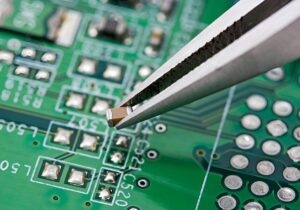
As environmental awareness continues to grow across industries, electronics manufacturing is also shifting toward safer and more sustainable materials. Traditional PCB materials often contain halogens such as chlorine and bromine, which can release toxic substances when exposed to high temperatures or during disposal. To address these concerns, manufacturers are increasingly adopting Halogen Free PCB solutions. These circuit boards are designed to minimize environmental impact while maintaining high performance and reliability.
Understanding the characteristics and advantages of halogen-free PCBs can help businesses meet regulatory requirements and contribute to a more sustainable future.
What Is a Halogen Free PCB?
A Halogen Free PCB is a printed circuit board manufactured using materials that contain little to no halogen elements such as chlorine (Cl) and bromine (Br). According to industry standards, a PCB is considered halogen-free when the concentration of chlorine and bromine is below specific limits, typically less than 900 parts per million for each element.
Halogens are commonly used in traditional PCB materials to improve flame resistance. However, when these materials are burned or exposed to high temperatures, they can release harmful gases such as dioxins and furans, which pose risks to human health and the environment.
Halogen-free PCBs use alternative flame-retardant materials that provide safety without the environmental drawbacks associated with halogens.
Key Properties of Halogen Free PCBs
The primary feature of a Halogen Free PCB is its environmentally friendly composition. By eliminating or significantly reducing halogens, these boards help reduce the release of toxic substances during manufacturing, operation, and disposal.
In addition to their eco-friendly nature, halogen-free PCBs offer excellent thermal stability. They can withstand high temperatures without degrading, making them suitable for modern electronic applications.
These boards also provide good electrical insulation and reliable signal performance. Their dielectric properties are comparable to traditional PCB materials, ensuring consistent operation in various applications.
Mechanical strength is another important property. Halogen-free materials are designed to maintain durability and resist mechanical stress during assembly and use.
Moisture resistance is also improved in many halogen-free materials, which helps enhance long-term reliability in humid environments.
Structure of a Halogen Free PCB
The structure of a Halogen Free PCB is similar to that of standard PCBs but uses specialized materials that do not contain halogens. The base layer typically consists of a halogen-free epoxy resin combined with reinforcing materials such as fiberglass.
Copper layers are laminated onto the substrate to form conductive pathways. These layers are etched to create the circuit design.
A solder mask is applied to protect the copper traces from oxidation and environmental damage. In halogen-free PCBs, the solder mask material is also formulated to meet halogen-free standards.
A silkscreen layer may be added for labeling and assembly guidance, just like in conventional PCBs.
The overall design and structure remain consistent with traditional PCBs, ensuring compatibility with standard manufacturing and assembly processes.
Manufacturing Process of Halogen Free PCBs
The manufacturing of a Halogen Free PCB follows similar steps to standard PCB fabrication, with careful selection of materials to ensure compliance with halogen-free requirements.
The process begins with choosing halogen-free laminate materials. Copper foil is then laminated onto the substrate to create the base board.
A photoresist layer is applied, and the circuit design is transferred using photolithography. The board is etched to remove unwanted copper, leaving the desired circuit pattern.
Drilling is performed to create holes for vias and component mounting. These holes are plated with copper to establish electrical connections.
For multilayer boards, layers are stacked and bonded using a lamination process. The materials used in this step must also be halogen-free to maintain compliance.
After lamination, a halogen-free solder mask is applied, followed by the silkscreen layer. The board is then tested and inspected to ensure it meets both performance and environmental standards.
Advantages of Halogen Free PCBs
One of the main advantages of a Halogen Free PCB is its reduced environmental impact. By eliminating harmful halogens, these boards contribute to safer manufacturing processes and easier recycling.
Another benefit is compliance with global environmental regulations. Many industries require the use of halogen-free materials to meet standards such as RoHS and other environmental directives.
Halogen-free PCBs also offer improved safety. In the event of a fire, they produce fewer toxic fumes compared to traditional materials, reducing risks to both people and equipment.
Performance is not compromised, as these boards provide reliable electrical and thermal characteristics. In some cases, halogen-free materials may even offer better thermal stability and moisture resistance.
These advantages make halogen-free PCBs an attractive option for companies aiming to combine performance with sustainability.
Applications of Halogen Free PCBs
The use of Halogen Free PCB technology is growing across various industries. In consumer electronics, these boards are used in smartphones, laptops, and other devices where environmental compliance is important.
The automotive industry also adopts halogen-free PCBs to meet strict environmental and safety regulations. These boards are used in control systems, sensors, and infotainment units.
Telecommunications equipment benefits from halogen-free PCBs due to their reliability and performance. Networking devices and communication systems often require materials that meet environmental standards.
Medical devices also use halogen-free PCBs, as safety and reliability are critical in healthcare applications.
Industrial equipment and renewable energy systems are increasingly using halogen-free PCBs to support sustainable manufacturing practices and reduce environmental impact.
Design Considerations for Halogen Free PCBs
Designing a Halogen Free PCB requires careful material selection to ensure compliance with environmental standards. Engineers must choose laminates, solder masks, and other materials that meet halogen-free requirements.
Thermal management is an important consideration, as some halogen-free materials may have different thermal properties compared to traditional materials. Proper design can help maintain stable performance.
Signal integrity and electrical performance should also be considered. Designers must ensure that the chosen materials support the required frequency and signal characteristics.
Manufacturing compatibility is another factor. While halogen-free PCBs can be produced using standard processes, slight adjustments may be needed to optimize performance and reliability.
By addressing these considerations, designers can create efficient and environmentally friendly PCB solutions.
Conclusion
The Halogen Free PCB represents a significant step toward sustainable electronics manufacturing. By eliminating harmful halogens, these boards reduce environmental impact while maintaining high performance and reliability. Their adoption across industries such as consumer electronics, automotive, and telecommunications highlights the growing importance of eco-friendly materials in modern technology.
As regulations continue to evolve and environmental concerns increase, the demand for halogen-free PCBs will continue to rise. Businesses aiming to meet these requirements and deliver high-quality products often partner with a trusted Halogen Free PCB manufacturer to ensure compliance, performance, and long-term reliability.