


The logistics industry is undergoing a remarkable transformation, driven largely by advancements in artificial intelligence (AI) and robotics. As e-commerce continues to thrive and consumer expectations rise, businesses are looking for innovative solutions to optimize their supply chain processes. Enter AI-powered logistics robotics—an exciting frontier that promises efficiency, accuracy, and speed like never before.
Imagine autonomous robots navigating warehouses with pinpoint precision or AI algorithms predicting demand trends before they even emerge. The fusion of these technologies not only enhances operational capabilities but also sets the stage for a new era in logistics. In this blog post, we’ll unpack how AI is reshaping logistics robotics and explore its potential impact on the industry as a whole. Whether you’re an industry professional or simply curious about the future of transportation and delivery systems, there’s much to discover in the world of logistics robotics news.
Advantages of AI in Logistics
AI brings a host of advantages to logistics, transforming the way operations are managed. One significant benefit is enhanced efficiency. Automated systems streamline processes, reducing delays and optimizing routes.
Cost savings are another key advantage. With AI handling repetitive tasks, companies can allocate resources more effectively. This leads to lower operational costs over time.
Data analysis is revolutionized through AI as well. Advanced algorithms process vast amounts of information quickly, enabling better decision-making based on real-time insights.
Moreover, predictive analytics plays a vital role in inventory management. By anticipating demand trends, businesses can minimize stockouts and reduce excess inventory.
Customer satisfaction improves significantly with AI-driven solutions. Faster deliveries and accurate tracking enhance the overall experience for clients in an increasingly competitive market.
Examples of AI in Logistics Robotics
One prominent example of AI in logistics robotics is the use of autonomous mobile robots (AMRs) in warehouses. These machines navigate complex environments, moving goods from one location to another with precision.
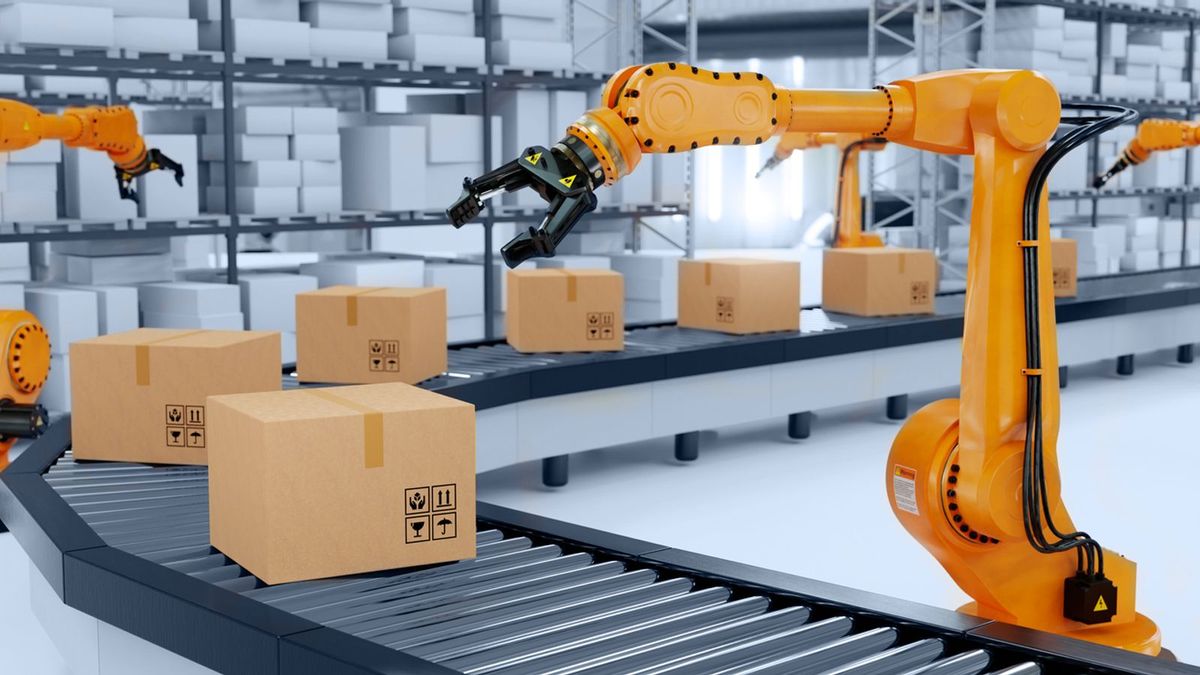
Another innovative application is robotic arms equipped with machine learning algorithms. They can sort packages based on size and weight, improving efficiency during peak shipping seasons.
Drones are also making waves in logistics. Companies utilize them for last-mile deliveries, reducing time spent on transport while accessing hard-to-reach areas.
AI-powered predictive analytics help optimize supply chain operations by forecasting demand and inventory levels. This data-driven approach enables companies to respond swiftly to market changes.
Collaborative robots or cobots work alongside human staff to enhance productivity without replacing jobs. Their ability to learn from human actions makes them adaptable and efficient in various tasks throughout the logistics process.
Challenges and Limitations of Using AI in Logistics
Implementing AI in logistics is not without its hurdles. One major challenge lies in data quality and accessibility. Poor or inconsistent data can lead to inaccurate predictions, undermining the efficiency that AI aims to provide.
Another limitation involves integration with existing systems. Many logistics companies still rely on legacy software that may not easily accommodate advanced AI solutions.
Cost is also a significant factor. The initial investment for AI technology can be substantial, making it a barrier for smaller businesses looking to compete.
Moreover, there’s a skills gap within the workforce. Not every employee has experience working with sophisticated AI tools, which can hinder full adoption across operations.
Ethical concerns regarding job displacement are ever-present. As automation increases, so does anxiety about the future of human roles in logistics sectors worldwide.
The Future of AI in Logistics Robotics
The future of AI in logistics robotics promises to revolutionize the industry. Emerging technologies are making automation smarter and more efficient.
We can expect advanced algorithms that learn from real-time data, optimizing supply chains like never before. Robots will not only handle tasks but also predict challenges, ensuring smoother operations.
Integration with IoT devices is set to enhance connectivity between machines. This synergy enables better inventory management and reduces downtime significantly.
As autonomous vehicles gain traction, they’ll reshape last-mile delivery systems. Drones and self-driving trucks may become commonplace on our roads.
Moreover, collaborative robots are evolving to work alongside human workers seamlessly. This collaboration fosters a new dynamic in warehouses and distribution centers.
With continuous improvements in machine learning, the landscape is ripe for innovation. The potential applications seem limitless as industries adapt to these transformative changes.
Impact on the Industry and Job Market
The rise of logistics robotics is reshaping the industry landscape. Companies are adopting AI-driven solutions to optimize their supply chains, improve efficiency, and reduce costs. This shift brings a wave of innovation that enhances operational capabilities.
However, the impact on the job market is complex. While automation may eliminate certain repetitive tasks, it also creates demand for skilled workers who can manage these advanced technologies. Roles in programming, maintenance, and oversight are becoming increasingly vital.
Moreover, training programs focused on AI and robotics are emerging to equip employees with necessary skills. As businesses adapt to this new era of logistics robotics, a workforce proficient in technology will be essential for future growth.
Organizations must balance technological advancements with human talent development to navigate this evolving environment effectively. The integration of AI could lead to exciting opportunities as well as challenges moving forward.
Ethical Considerations
As AI continues to shape logistics robotics, ethical considerations become paramount. The deployment of autonomous systems raises questions about accountability and decision-making.
How do we ensure that these machines operate fairly? Bias in algorithms can lead to unintended consequences, affecting everything from delivery times to job displacement. Transparency is crucial; stakeholders should understand how decisions are made by AI systems.
Data privacy also comes into play. With the increasing reliance on data for optimizing operations, safeguarding sensitive information is essential. Companies must prioritize security measures to protect both their assets and customer trust.
There’s a human element at stake. As robots take on more tasks, the workforce faces transformation. How will displaced workers be supported? Ethical frameworks must evolve alongside technology to address these complex issues responsibly and inclusively.
Conclusion: The Growing Importance of AI in Logistics Robotics
The ongoing integration of AI in logistics robotics is reshaping the industry. Companies are increasingly adopting advanced technologies to streamline operations and improve efficiency. Automated systems powered by AI facilitate faster decision-making, optimize supply chains, and reduce operational costs.
As logistics continues to evolve, the demand for skilled professionals who understand both technology and traditional processes will rise. This shift offers new opportunities but also requires a workforce ready to adapt quickly.
Ethical considerations surrounding job displacement due to automation are significant. Stakeholders must collaborate on solutions that balance innovation with social responsibility.
AI’s role in logistics robotics is not just about efficiency; it’s also about creating sustainable practices that benefit businesses and society alike. Embracing this technology can lead to safer working environments, reduced environmental impact, and enhanced customer experiences.
The landscape of logistics robotics is dynamic as advancements continue at an unprecedented pace. The future looks promising for those willing to embrace change in this transformative era of logistics innovation.