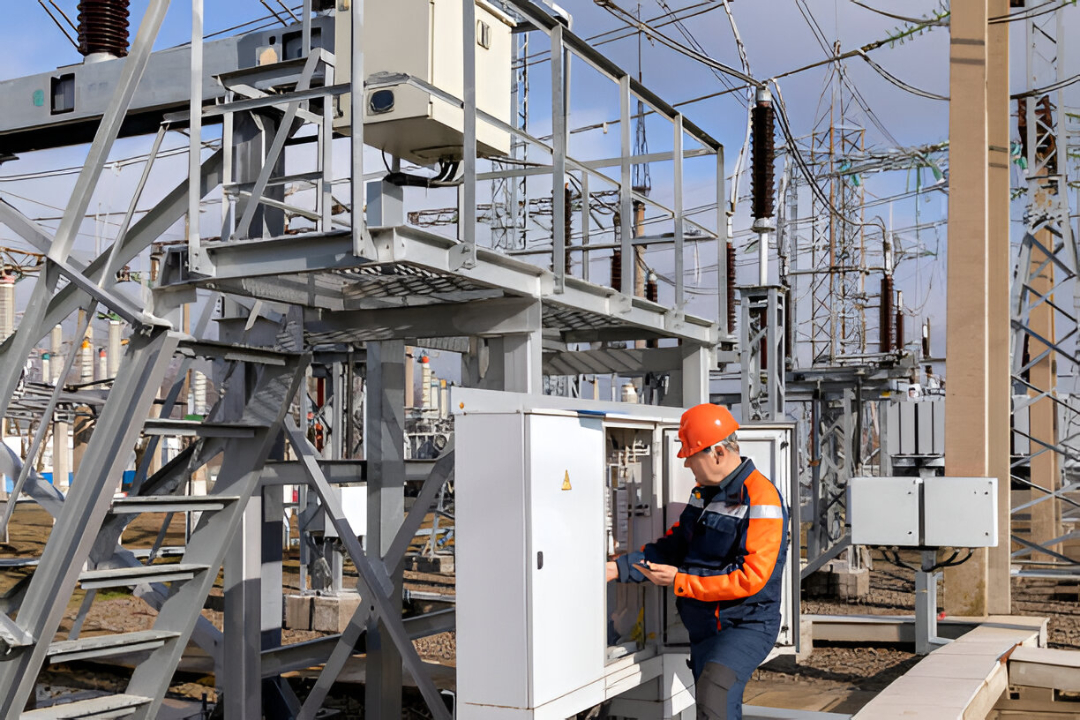
Power Reliability and Electrical System Stability: Ensuring Uninterrupted Operations in a Digital Era
In today’s highly connected and technology-driven world, power reliability has become a critical factor for operational success. Businesses, industries, and commercial facilities depend on continuous electricity to function efficiently. From production lines and data centers to hospitals and office buildings, even a brief power interruption can cause serious disruption.
As electrical systems grow more complex and energy demands increase, organizations must shift their focus from basic power supply to system stability and reliability. Modern electrical solutions are now designed to ensure uninterrupted operations, protect valuable equipment, and support long-term growth.
Why Power Reliability Is a Business Necessity
Power reliability directly affects productivity, safety, and financial performance. Unexpected outages can stop operations instantly, leading to downtime, lost revenue, and damaged reputation. In critical sectors such as manufacturing, healthcare, and logistics, power disruptions can also pose serious safety risks.
Reliable electrical systems help organizations:
- Maintain continuous operations
- Protect sensitive and expensive equipment
- Reduce downtime and repair costs
- Improve overall operational confidence
Businesses that invest in reliable electrical infrastructure gain a competitive advantage by ensuring stability even during challenging conditions.
Understanding Electrical System Stability
Electrical system stability refers to a system’s ability to operate smoothly despite fluctuations in demand or external disturbances. Changes in load, equipment startup, or voltage variations can affect performance if systems are not designed properly.
Stable electrical systems are engineered to:
- Balance electrical loads efficiently
- Manage sudden changes in power demand
- Minimize voltage fluctuations
- Maintain consistent power quality
Achieving this level of stability requires careful planning, quality components, and professional expertise.
The Hidden Costs of Power Interruptions
Power interruptions are more costly than they appear. Beyond immediate downtime, they can cause long-term damage to equipment and systems. Sensitive electronics, automated machinery, and digital control systems are particularly vulnerable to unstable power.
Common consequences of unreliable power include:
- Equipment malfunction and failure
- Data loss and system crashes
- Increased maintenance expenses
- Reduced equipment lifespan
These hidden costs highlight the importance of investing in robust electrical solutions designed for reliability.
Designing Electrical Systems for Maximum Reliability
Reliable electrical systems begin with thoughtful design. Load analysis, system layout, and component selection all play a crucial role in ensuring dependable performance.
Key elements of reliable electrical design include:
- Accurate load calculations
- High-quality power distribution components
- Effective protection devices
- Proper grounding and insulation
Professional electrical solution providers ensure that these elements work together to deliver stable and uninterrupted power.
One company contributing to reliable electrical infrastructure is Eabel Electrical Solutions, which focuses on delivering electrical products designed to enhance system stability and long-term operational reliability.
Preventive Maintenance and Its Role in Stability
Preventive maintenance is essential for sustaining power reliability. Over time, electrical components experience wear due to heat, load stress, and environmental factors. Without regular inspection, minor issues can escalate into major failures.
Preventive maintenance helps organizations:
- Detect potential faults early
- Avoid unexpected breakdowns
- Extend system lifespan
- Maintain consistent performance
Modern electrical systems often include monitoring tools that support proactive maintenance, reducing the risk of sudden outages.
Reliability in Industrial and Commercial Environments
Industrial and commercial facilities operate under demanding conditions. Heavy machinery, continuous operations, and complex processes require dependable power at all times. Electrical failures in such environments can lead to production losses and safety hazards.
Reliable electrical solutions in these sectors focus on:
- Load management and balancing
- Power quality control
- Equipment protection
- System redundancy where needed
By prioritizing reliability, organizations ensure uninterrupted workflows and operational efficiency.
Custom Electrical Solutions for Enhanced System Stability
Every facility has unique power requirements. Generic electrical setups may not address specific operational challenges, leading to inefficiencies and instability. Customized electrical solutions bridge this gap by tailoring system design to actual needs.
Customized solutions provide:
- Better load distribution
- Improved system resilience
- Enhanced safety
- Long-term efficiency
Tailored electrical systems perform better under real-world conditions, making them a preferred choice for modern infrastructure projects.
The Role of Technology in Power Reliability
Technological advancements have transformed electrical system management. Modern solutions include real-time monitoring, fault detection, and performance analysis tools that improve reliability.
Technology-driven electrical systems allow organizations to:
- Monitor power usage continuously
- Identify abnormalities quickly
- Respond proactively to potential issues
- Optimize system performance
These technologies reduce downtime and help maintain stable power delivery even under fluctuating conditions.
Professional Expertise in Reliable Electrical Design
Designing and managing reliable electrical systems requires technical expertise and industry knowledge. Professional electrical solution providers understand how to balance performance, safety, and scalability.
A company like eabel.com focuses on providing modern electrical products that support stable and efficient power systems across industrial and commercial applications. Such expertise ensures systems perform consistently over time.
Preparing Electrical Systems for Future Power Demands
As businesses grow and technologies evolve, power demands increase. Electrical systems must be designed with future expansion in mind to avoid costly upgrades and disruptions.
Future-ready electrical solutions emphasize:
- Scalability and flexibility
- Advanced protection features
- Compatibility with new technologies
- Long-term reliability
Planning for future demand ensures electrical systems remain dependable as operational requirements change.
Long-Term Benefits of Reliable Electrical Infrastructure
Reliable electrical infrastructure offers benefits that extend beyond immediate performance. Stable systems reduce operational risks, protect investments, and support sustainable growth.
Organizations that prioritize reliability benefit from:
- Lower maintenance and repair costs
- Improved safety and compliance
- Enhanced operational confidence
- Better long-term planning
For businesses seeking dependable and stable power systems, Eabel Electrical Solutions continues to support modern operations through quality-driven and reliability-focused electrical solutions.
Conclusion
Power reliability and electrical system stability are essential for uninterrupted operations in today’s digital era. As systems become more complex, the importance of professionally designed electrical solutions continues to grow. Reliable electrical infrastructure protects assets, reduces downtime, and supports long-term success.
By investing in high-quality and stable electrical solutions, organizations build a strong foundation for operational efficiency, safety, and future growth.