The question of whether curb appeal influences professional property valuations touches on the fundamental tension between objective assessment methodologies and the subjective human psychology that ultimately drives property markets. While professional valuers are trained to look beyond surface appearances and focus on structural condition, location factors, and comparable sales evidence, the reality is that first impressions significantly influence buyer behaviour and market values.
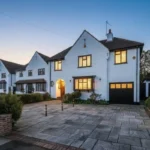
Curb appeal encompasses everything potential buyers observe before entering a property, from garden maintenance and exterior decoration to parking arrangements and street presence. These visual factors create immediate emotional responses that can enhance or diminish a property’s perceived value, affecting both how quickly properties sell and the prices they ultimately achieve. When seeking to value my home accurately, understanding how external presentation influences both professional assessments and market appeal provides crucial insights into maximising property value through relatively modest investments in exterior improvements.
The Psychology of First Impressions
Research consistently demonstrates that humans form lasting judgements within seconds of encountering new environments, with positive first impressions creating psychological bias toward favourable evaluation whilst negative initial reactions prove difficult to overcome despite subsequent positive discoveries.
Professional valuers, despite their training and experience, remain susceptible to unconscious bias influenced by property presentation, though they apply systematic methodologies designed to minimise subjective influences and ensure objective assessment based on measurable factors.
Market psychology suggests that properties creating positive first impressions generate more viewing interest, increased bidding activity, and stronger emotional connections that translate into higher offers and faster sales compared to equivalent properties with poor external presentation.
Components of Effective Curb Appeal
Garden maintenance represents perhaps the most visible element of curb appeal, with well-maintained lawns, pruned hedges, and seasonal planting creating impressions of care and attention that suggest overall property maintenance standards exceed those of neglected alternatives.
Exterior decoration including paintwork condition, window cleanliness, and front door presentation communicates maintenance quality whilst creating inviting appearances that encourage positive initial reactions from potential buyers and professional assessors.
Boundary treatments including fences, gates, and driveways affect privacy, security, and accessibility perceptions whilst contributing to overall street presence that influences neighbourhood positioning and property desirability within local markets.
Direct Valuation Impact Mechanisms
Comparable sales analysis considers presentation quality when assessing achieved prices, with well-presented properties typically achieving premium values compared to equivalent properties requiring exterior maintenance or improvement, creating measurable valuation differences.
Market appeal factors influence time-on-market and negotiation dynamics, with attractive properties generating competitive interest that supports asking prices whilst poorly presented alternatives might face extended marketing periods and reduced offers.
Condition assessment includes exterior maintenance standards as indicators of overall property care, with good curb appeal suggesting systematic maintenance approaches that extend to structural and mechanical systems affecting long-term value and buyer confidence.
Professional Valuer Considerations
Systematic valuation approaches attempt to separate presentation factors from fundamental value drivers, though research suggests that even experienced professionals experience unconscious bias toward well-presented properties when forming initial value impressions.
Adjustment methodologies enable valuers to account for presentation differences when comparing properties, adding value for superior presentation whilst discounting for poor exterior condition that affects market appeal and buyer response.
Market evidence review considers how presentation quality affects achieved sale prices within specific market segments, with data analysis revealing consistent correlations between curb appeal and transacted values across different property types and price ranges.
Cost-Benefit Analysis of Improvements
Investment returns from curb appeal improvements typically exceed costs substantially, with modest expenditure on garden maintenance, exterior decoration, and minor repairs often generating value increases that provide attractive returns on invested capital.
Maintenance versus improvement decisions require distinguishing between addressing neglect that detracts from value and enhancing presentation beyond normal standards, with maintenance typically providing better returns than elaborate improvements that exceed local market expectations.
Seasonal timing affects improvement impact, with spring garden preparation and exterior decoration providing maximum benefit during peak selling seasons when properties present most attractively to increased buyer numbers.
Market Segment Variations
Family market sensitivity to curb appeal proves particularly strong, with buyers seeking safe, attractive environments for children placing substantial importance on garden quality, street appeal, and neighbourhood presentation standards.
Luxury market expectations include superior presentation standards as baseline requirements rather than optional extras, with poor curb appeal creating significant barriers to achieving premium prices expected for high-value properties.
Investment buyer priorities might emphasise rental appeal over personal taste, though attractive exterior presentation supports rental income potential and tenant quality whilst reducing void periods between lettings.
Regional and Cultural Differences
Urban market expectations differ from rural standards, with city properties judged against different presentation criteria including street parking, security features, and density-appropriate landscaping rather than traditional suburban garden standards.
Cultural preferences influence curb appeal effectiveness, with different communities valuing various presentation elements from formal landscaping and architectural consistency to individual expression and creative garden design.
Economic demographics affect curb appeal investment viability, with improvements appropriate for affluent areas potentially exceeding market expectations in modest neighbourhoods where simpler presentation approaches provide better value returns.
Seasonal and Environmental Factors
Weather conditions during viewings significantly influence curb appeal impact, with properties presenting better during favourable weather when gardens display attractively and exterior features appear most inviting to potential buyers.
Maintenance timing requires coordination with selling schedules, ensuring improvements complete before marketing begins whilst considering seasonal factors that affect presentation quality throughout extended marketing periods.
Climate adaptation influences appropriate curb appeal strategies, with regional weather patterns determining suitable landscaping choices and maintenance requirements that support year-round attractive presentation.
Technology and Virtual Presentation
Online marketing images depend heavily on curb appeal for creating initial interest, with property photographs needing attractive exterior shots that encourage website browsers to request viewings and engage with property listings.
Virtual viewing technology highlights exterior presentation quality, with 360-degree tours and drone photography showcasing gardens and street presence that influence buyer interest before physical property visits occur.
Social media marketing amplifies curb appeal importance, with attractive properties generating more shares and engagement through platforms where visual appeal drives user interaction and property awareness.
Quantifying Curb Appeal Impact
Research studies suggest that superior curb appeal can add 5-10% to property values whilst poor presentation might reduce values by similar amounts, though impacts vary significantly based on property type, location, and market conditions.
Time-on-market analysis reveals that attractive properties typically sell 20-30% faster than equivalent properties with poor presentation, reducing marketing costs whilst enabling better price achievement through reduced negotiation pressure.
Bidding competition increases for well-presented properties, with multiple interested buyers creating competitive situations that support asking prices whilst poorly presented alternatives might face single offers below asking prices.
Professional Enhancement Strategies
Landscape design investment provides lasting value through mature planting and structural improvements that enhance property appeal whilst requiring minimal ongoing maintenance compared to high-maintenance decorative approaches.
Architectural enhancement including exterior lighting, period feature restoration, or contemporary updates can significantly improve street presence whilst adding functional value that appeals to modern buyer requirements.
Professional maintenance services ensure consistent presentation standards throughout marketing periods, preventing deterioration that might affect buyer impressions during extended sales processes.
Long-Term Value Considerations
Investment property portfolios benefit from systematic curb appeal maintenance that supports rental income and capital appreciation whilst reducing tenant turnover and marketing costs through enhanced property appeal.
Neighbourhood positioning improves when individual properties maintain high presentation standards, creating positive spillover effects that benefit all local property values through enhanced area reputation and desirability.
Resale planning should consider curb appeal maintenance as ongoing investment rather than pre-sale expense, with consistent exterior upkeep supporting value retention whilst enabling rapid market preparation when selling opportunities arise.
Measurement and Assessment Techniques
Comparative photography enables objective assessment of presentation improvements, documenting before and after conditions whilst providing evidence of enhancement value for future reference and potential buyer marketing.
Professional assessment helps identify cost-effective improvement opportunities whilst avoiding over-investment in presentation enhancements that exceed local market expectations or provide diminishing returns on capital invested.
Market feedback from viewings and estate agent reports provides insights into how curb appeal affects buyer response, enabling targeted improvements that address specific presentation weaknesses affecting property appeal.
The evidence overwhelmingly demonstrates that curb appeal significantly influences both professional valuations and market outcomes, making exterior presentation a crucial factor in maximising property value and achieving optimal sales results through relatively modest investment in exterior maintenance and enhancement.