Lymphedema is a chronic condition characterized by swelling in body parts, usually the limbs, due to the accumulation of lymphatic fluid. This condition affects approximately 10 million Americans, according to the National Lymphedema Network. Without proper management, lymphedema can lead to pain, recurrent infections, and decreased mobility, significantly impacting an individual’s quality of life.
Understanding the complexities of lymphedema is vital in developing effective treatment strategies and improving patient outcomes. Below, we explore the causes, symptoms, and diagnosis of lymphedema, as well as the latest approaches in its treatment, self-management techniques, and medical advancements in monitoring and care.
Comprehensive Treatment Approaches for Lymphedema
Effective lymphedema management typically requires a multifaceted approach. Complete decongestive therapy (CDT) is widely regarded as the primary method of treatment. This approach combines manual lymph drainage (MLD), compression garments, exercise, and skincare to reduce swelling and enhance lymphatic function.
In conjunction with CDT, individuals may benefit from a specialized lymphedema treatment that incorporates pneumatic pumps or surgical interventions. Pneumatic compression devices can be used at home to help maintain the results achieved through CDT. Surgery, such as lymphovenous anastomosis or lymph node transfer, is considered in more severe cases.
Patients should engage in regular follow-ups with their lymphedema therapists to assess the effectiveness of the treatment plan. Adjustments to the regimen may be necessary to address changes in condition or to integrate new therapies as they become available.
Understanding Lymphedema: Causes, Symptoms, and Diagnosis
Lymphedema arises when the lymphatic system is disrupted or damaged, impeding the normal flow of lymph fluid, which can lead to swelling and discomfort. Primary lymphedema is often inherited, while secondary lymphedema may develop due to surgery, radiation therapy, or infection. Recognizing the early signs, such as persistent swelling or a feeling of heaviness, is critical for timely intervention.
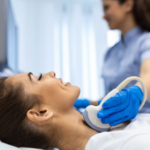
Diagnosing lymphedema typically involves a comprehensive medical history and physical examination. Healthcare professionals may employ imaging tests, like lymphoscintigraphy or MRI, to obtain a clear picture of the lymphatic system’s health. Measuring limb circumference and volume can also provide quantifiable data to guide diagnosis and monitor progress.
For individuals at risk of lymphedema, proactive monitoring of limb size and skin condition is recommended. Early consultation with a healthcare provider can facilitate a prompt diagnosis, enabling a swift onset of treatment to minimize the condition’s impact on daily living.
Self-Management Techniques for Living with Lymphedema
Living with lymphedema requires daily attention to prevent exacerbation of the condition. Self-care routines, including diligent skincare to avoid infections and consistent use of compression garments, are important for maintaining limb volume reductions.
Exercise and diet also play a significant role in lymphedema self-management. Low-impact activities that promote lymph circulation, such as swimming or yoga, are often recommended. A balanced diet can assist in maintaining a healthy weight, which reduces stress on the lymphatic system.
Support groups and educational resources can empower individuals to effectively manage their lymphedema. Knowledge about protective measures, such as avoiding blood pressure readings on the affected limb, is crucial. Moreover, sharing experiences with others who have the same condition can provide emotional support and practical advice.
Advances in Medical Technology for Lymphedema Monitoring and Care

Medical technology continues to evolve, offering new solutions for lymphedema monitoring and care. Wearable devices have been developed that enable continuous tracking of limb volume, offering patients and clinicians real-time data to inform treatment decisions.
Research is also underway to enhance lymphatic imaging and introduce regenerative therapies, such as stem cell treatments, that aim to rebuild lymphatic structures. Innovations in compression garment design are improving patient comfort and compliance, making daily management easier and more effective.
Staying abreast of the latest medical advancements is critical for healthcare providers and patients alike. Access to cutting-edge treatments can lead to improved long-term outcomes for those living with lymphedema. Engaging with a multidisciplinary care team can ensure that individuals receive the most advanced care customized to their unique needs.
Overall, understanding lymphedema’s intricacies and employing comprehensive treatment and self-management strategies can significantly enhance the quality of life for those affected. As medical technology advances, new possibilities for better care and monitoring continue to emerge, bringing hope for improved management of this chronic condition.