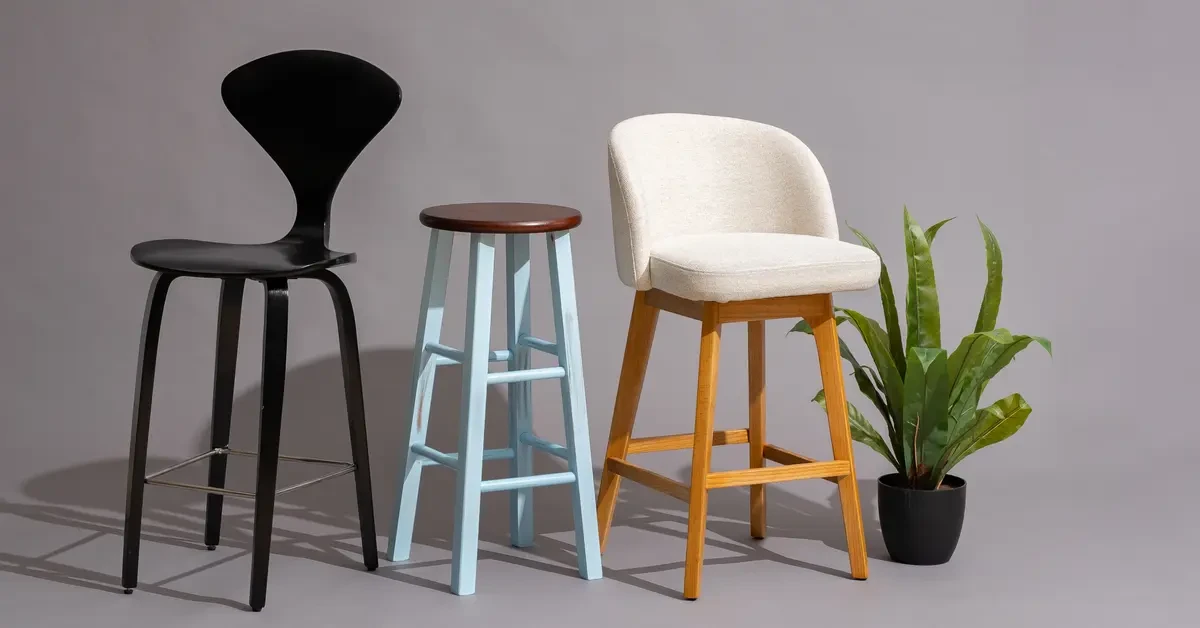
A bar stool looks harmless when it is sitting under a counter. It has one job, or so it seems. Hold the guest, match the room, survive the dinner rush, and stay out of the way. That is why cheaper stools are so tempting when a restaurant owner is staring at invoices, opening costs, payroll, insurance, equipment, food prices, and a long list of expenses that all feel urgent.
At first, the cheaper option looks like control. It feels like discipline. Why spend more on something as ordinary as seating when the kitchen still needs work, the patio needs lighting, and the menu still has to be printed?
Then real restaurant life begins.
A guest drags the stool across the floor instead of lifting it. A server bumps it with a tray. Someone leans back too far. Shoes scrape the foot rail. Cleaning chemicals hit the finish every night. The lunch rush turns into happy hour, happy hour turns into late night service, and suddenly that low price starts behaving like a loan with hidden interest.
This is where commercial bar stools restaurant buyers choose are no longer just a design detail. They become part of the operating cost, the guest experience, and the long-term durability of the dining space.
In an industry where food costs, labor costs, recruiting, and employee retention remain major concerns for operators, every avoidable replacement cost matters more than it used to. The National Restaurant Association reported that these pressures were among the top challenges expected by both full-service and limited-service restaurants in 2025.
The Price Tag Is Only the Beginning
Many owners mistakenly believe the purchase price represents the real cost. You can see the number in front of you on a cheaper stool, and it seems like savings. It’s found in the quote. It’s in the first budget. It helps the spreadsheet appear more peaceful.
But restaurant furniture doesn’t exist in a spreadsheet.
It’s present in people, in spilled drinks, in wet shoes, in crowded aisles, and among guests who rarely think about how hard commercial seating works. It might be used dozens of times a day, like a bar seat in a busy restaurant. It gets tugged, pushed, leaned against, kicked, wiped down, and put through a level of abuse that most household furniture would never know.
And that’s where the cheap seats start showing their real colors. Screws come loose, frames bend. Welds are weak. Couch breaks. The wood finishes degrade unevenly. Foot rails are scraped and worn. The stool might still theoretically be working, but the dining room is beginning to look worn.
Guests don’t always complain, “This restaurant bought bad barstools.
They sense it. That’s all.
The room looks less cared for. The brand is less refined. It feels a bit lower than the menu price. In hospitality, the unspoken feeling is important because perception is part of the product.
The Dining Room Is a Daily Stress Test
A restaurant bar area is one of the toughest places for seating. It is active, social, crowded, and often louder than the main dining room. Guests sit differently at a bar than they do at a regular table. They turn to talk, lean into conversations, rest their feet on the rails, shift their weight, and sometimes stay longer than expected.
A weak stool has nowhere to hide in that setting.
Even small design flaws become expensive over time. A poorly balanced stool can feel unstable. A weak foot rail can bend or loosen. A finish that looked attractive on day one can start showing wear within months. A seat that was comfortable for five minutes in a showroom may feel stiff or awkward through a full meal.
This is why commercial-grade seating matters. It is not about buying the most expensive piece in the catalog. It is about buying something designed for repeated use in a business environment, not occasional use in a home kitchen.
A good restaurant bar stool must carry more than body weight. It carries part of the guest experience, part of the brand image, and part of the owner’s long-term budget discipline.
Cheap Seating Creates Operational Friction
The most expensive problems are not always dramatic. Sometimes they show up as small interruptions.
A loose stool needs to be pulled from the floor. A cracked seat needs to be repaired. A wobbly frame needs inspection. A replacement order has to be placed. Matching the original finish may be harder months later. Staff members have to move damaged pieces into storage, rearrange the room, or apologize when a guest notices.
None of this looks like a major financial crisis. That is why it is easy to ignore.
Yet every interruption has a cost. It steals time from managers, creates extra work for staff, and makes the space feel less dependable. Restaurants already operate under pressure from labor and food expenses. Bank of America has noted that 2025 food service industry sales are projected to reach about $1.5 trillion, but that strong demand is occurring alongside inflation, workforce issues, and strained household budgets.
In that environment, cheap furniture is not just a purchasing decision. It becomes a recurring management issue.
A bar stool that fails early does not simply need to be replaced. It needs to be noticed, removed, reported, reordered, received, unpacked, checked, and worked back into the dining room. The original savings are slowly eaten away, one inconvenience at a time.
Guests Notice More Than Owners Think
Restaurant owners often underestimate how closely guests read a room. People may not know the difference between a light-duty stool and a contract-grade stool, but they understand comfort, stability, and atmosphere.
A stool that rocks slightly changes how a guest sits. A seat that feels too small makes the bar feel less welcoming. A worn frame can make the room look older than it is. A torn cushion can make guests question cleanliness, even if the kitchen is spotless.
The emotional response is quick.
When furniture feels solid, guests relax. When seating feels unstable or worn, they become more aware of the space in the wrong way. Their attention moves away from the food, the drink, and the conversation. They start noticing flaws.
That is dangerous because restaurants compete on trust as much as taste. A guest who feels that the dining room is neglected may quietly wonder what else is being overlooked. Fair or not, the furniture becomes part of the judgment.
This is especially important for bars, cafes, hotel restaurants, breweries, fast-casual concepts, and high-traffic casual dining spaces, where seating often shapes a guest’s first physical interaction with the brand.
The Replacement Cycle Is Where the Money Disappears
Cheap bar stools rarely announce their cost all at once. They create a replacement cycle.
At first, one stool is damaged. Then another starts to wobble. A few seats begin to look faded. A foot rail comes loose. The owner decides to replace only the worst pieces. Months later, the room has a mix of new and worn stools, and the design begins to lose its original consistency.
That uneven look can be worse than a full replacement. It makes the room feel patched together.
The smarter way to think about bar stools is in terms of cost per year of use, not just cost per piece. A stool that costs more upfront but lasts years longer may be the more affordable choice. It may also protect the space’s visual identity, reduce maintenance headaches, and keep the guest experience more consistent.
Owners who focus only on the first invoice often miss the larger pattern. Cheap stools may save money at purchase, but they can exact a toll through repairs, replacements, downtime, visual decline, and guest discomfort.
Better Stools Support Better Staff Flow
Good bar stools not only serve guests but also help staff work more effectively.
A well-planned stool fits the counter height, supports clear movement, and holds up under constant cleaning. It does not create awkward spacing. It does not force servers to squeeze through tight areas. It does not need constant adjustment. It belongs to the room instead of fighting against it.
That matters because restaurant staff already work in fast, physically demanding environments. When furniture is unstable, poorly spaced, or difficult to move, it adds friction to the shift. Small annoyances become part of the daily rhythm.
A strong stool, by contrast, disappears into the operation. It does its job quietly. It lets the team focus on service rather than furniture issues.
This is one of the hidden values of quality. The best restaurant furniture is often noticed least when it is doing its job well.
The Smarter Question Is Not “What Is Cheapest?”
A better purchasing question is simple: what will this stool cost the restaurant over its full working life?
That question changes everything.
It forces owners to consider frame strength, seat material, foot rail durability, finish quality, weight, cleanability, comfort, availability of replacements, warranty support, and whether the stool truly fits the concept. It also pushes the decision beyond appearance. A stool can look stylish in a product photo and still be wrong for a packed bar that turns over seats multiple times a night.
Before buying, owners should consider:
- How many hours per day will the stools be used
- Whether the bar area serves food, drinks, or both
- How often will the stools be cleaned, dragged, stacked, or moved
Those practical details matter more than a small difference in upfront price.
A quiet coffee bar, a sports bar, a hotel lounge, and a high-volume restaurant all place different demands on seating. The wrong stool in the wrong setting becomes expensive faster.
A Better Seat at the Bar
Cheap bar stools do not always look like a bad decision at first. That is what makes them so risky. They arrive new, fill the room, photograph well, and help the opening budget breathe a little easier.
The trouble comes later, after the shine wears off and the restaurant begins doing what restaurants do every day. Hosting people, moving fast, cleaning constantly, absorbing wear, and creating impressions.
A restaurant does not need to buy the fanciest barstools in the market. It needs to buy the right ones: strong enough for the traffic, comfortable enough for the guest, practical enough for the staff, and consistent enough for the brand.
In the end, the cheapest stool is not the one with the lowest price. It is the one that works the longest without asking for attention.