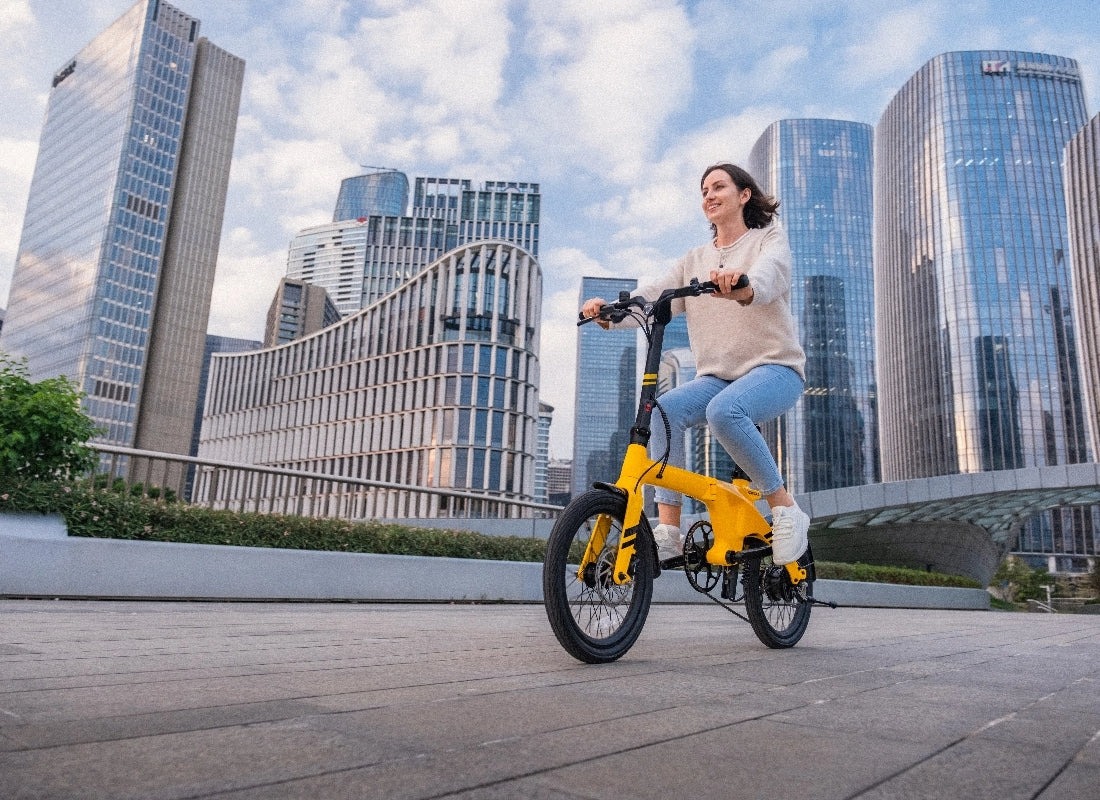
The American commute is undergoing its most significant transformation since the post-war highway boom. For decades, the choice for travelers was binary: a grueling, sweat-inducing pedal-powered trek or a sedentary, soul-crushing crawl in a car. Today, a middle ground has emerged that is rapidly becoming the gold standard for urban and suburban mobility.
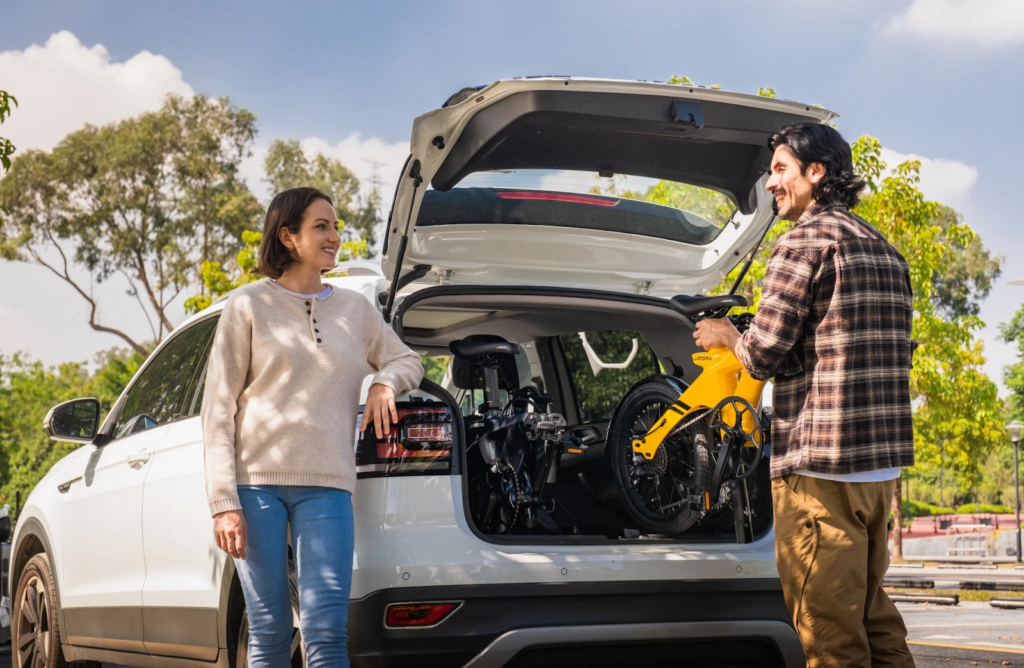
E-bikes, once a niche novelty, have matured into a sophisticated transport category. By utilizing advanced pedal-assist technology to amplify human effort, these machines have democratized cycling. They make the activity accessible to those who may have previously found it too physically demanding or logistically impractical. Whether it is a lightest electric bike designed for agile city maneuvering and easy apartment storage, or a rugged cargo model capable of hauling 400 pounds of gear, these machines are bridging the gap between weekend recreation and daily utility.
Enhanced Commuting and Practicality
Overcoming the “Sweat Factor”
Historically, the biggest hurdle for traditional bike commuting in the U.S. has been the “logistics of arrival.” In a professional culture that prizes a polished appearance, arriving at a 9:00 AM boardroom meeting drenched in sweat is not a viable option. The best e-bikes effectively neutralize this barrier. By allowing the motor to handle the heavy lifting—especially during acceleration—riders can maintain a consistent 20 mph pace with the same physical exertion as a leisurely stroll. You arrive at your destination looking as fresh as if you had driven a luxury sedan, yet you’ve avoided the $40 daily parking fee and the irritation of gridlock.
Flattening the American Landscape
In iconic American cities like San Francisco, Seattle, or even the rolling hills of the Northeast, a traditional bike can feel like a tool for punishment rather than transport. E-bikes “flatten” these geographical obstacles. With a simple adjustment of the assist level, a daunting 10% grade is transformed into a manageable path. This consistency is a psychological game-changer; it makes it easier for users to commit to cycling every single day, regardless of a headwind, a humid morning, or a hilly route that would otherwise discourage them.
The Rise of the “Car-Lite” Lifestyle
Modern e-bikes, specifically those recognized as the best commuter ebike options in 2026, are no longer just bicycles with motors tacked on. They are purpose-built “car-lite” vehicles. Equipped with integrated heavy-duty racks, full-coverage fenders, and high-torque mid-drive motors, they are designed for the “errand-run.” Whether it’s picking up a week’s worth of groceries from Trader Joe’s or transporting a child to daycare in a integrated safety seat, e-bikes often beat car travel times in congested downtown corridors where searching for parking alone can take fifteen minutes.
Health, Inclusivity, and the “Safety Net” Effect
Low-Impact Exercise for All Fitness Levels
A persistent myth suggests that e-bikes are for “lazy” riders. In reality, recent studies in the Journal of Transport & Health indicate that e-bike owners actually get more exercise than traditional cyclists over the long term. This is because they ride more often and for significantly longer distances. The motor acts as a “safety net,” providing the rider with the confidence to explore further, knowing they won’t be stranded by exhaustion. This makes e-bikes an unparalleled tool for seniors, individuals managing chronic joint pain, or those beginning a fitness journey who need a scalable way to build cardiovascular health.
Mental Health and Outdoor Engagement
The psychological barrier to entry for exercise is significantly lowered by electric assist. When the prospect of the return trip home—perhaps after a long, draining workday—no longer feels like an insurmountable struggle, people are far more likely to choose the bike over the car keys. This increased “time under the sky” is directly linked to lower cortisol levels and improved mental clarity. It turns a stressful commute into a period of decompression and outdoor engagement.
Economic and Environmental Impact
The Staggering ROI of E-Bikes
While a high-quality e-bike requires an upfront investment—ranging from $1,500 to $5,000—the long-term savings compared to car ownership are staggering. When you factor in the cost of fuel, insurance, registration, and the brutal depreciation of a motor vehicle, an e-bike typically pays for itself within the first 12 to 14 months of regular use. Charging an e-bike battery costs mere pennies, and maintenance is a fraction of the cost of a car’s brake job or transmission repair.
A Greener Footprint for the Modern City
As the climate crisis intensifies, e-bikes represent one of the most sustainable forms of motorized transport available. They produce zero tailpipe emissions and require significantly fewer rare-earth minerals and raw materials to manufacture than even the smallest electric cars. By choosing a 60-pound bike over a 4,000-pound SUV for a three-mile grocery run, you are contributing to a quieter, cleaner, and less congested urban environment.
Safety and Control in Modern Traffic
Keeping Up with the Flow
Safety in an American urban environment is often a matter of “speed differentials.” On a traditional bike, slow acceleration from a stoplight can leave a rider vulnerable to aggressive drivers. Modern electric bikes provide instant torque, allowing the rider to “take the lane” and keep pace with the flow of traffic at intersections. This visibility and speed parity significantly reduce the risk of the “right-hook” or being squeezed to the curb by overtaking vehicles.
Integrated Tech: The 2026 Standard
In 2026, tech integration has reached a peak where safety is built-in, not bolted-on. Standard features on premium models now include:
- Integrated LED Lighting: High-lumen systems powered by the main battery, ensuring you are never caught without lights at dusk.
- Hydraulic Disc Brakes: Essential for stopping heavier loads safely and reliably in wet weather.
- IoT Connectivity: Smart systems with GPS tracking, remote lockout, and anti-theft sensors that alert your phone if the bike is moved.
Conclusion
The traditional bicycle will always have a place for those who ride for the “pure burn” of a workout. However, for the modern American looking to reclaim their time, slash their cost of living, and enjoy the outdoors without physical burnout, the e-bike is the clear winner. It isn’t just a bike with a motor; it is a portal to a more efficient, healthier, and more sustainable way of living. As our cities continue to densify, the e-bike stands as the most logical tool for navigating the future.