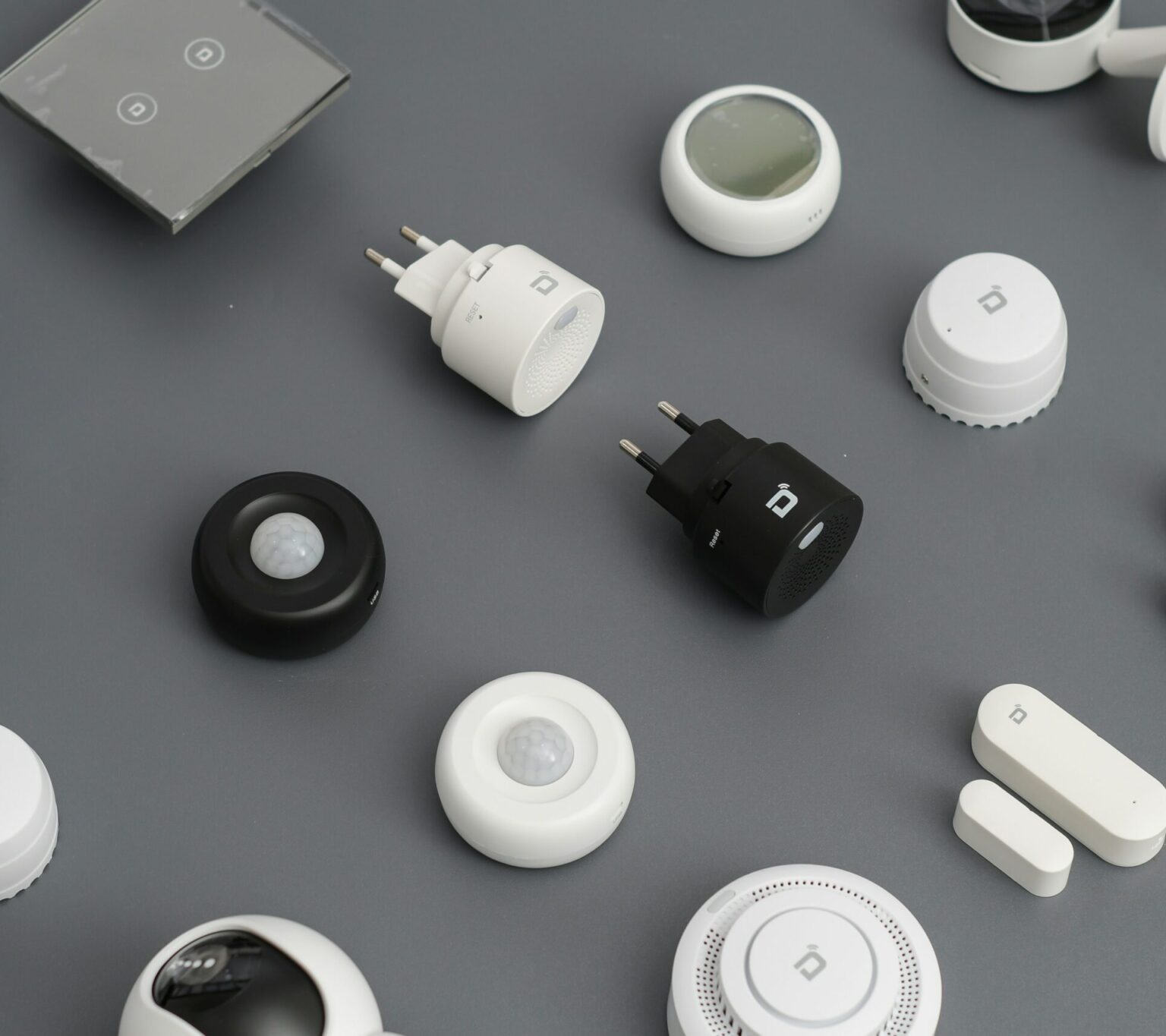
Introduction to Smart Home Technology
Smart home technology has seen a rapid rise in popularity over recent years, becoming an essential element in modern real estate. Homebuyers increasingly seek properties equipped with intelligent systems that deliver enhanced convenience, security, and energy efficiency. This evolution in residential technology has created a significant shift in how homes are designed and marketed, emphasizing the importance of smart upgrades in elevating property value.
The concept of smart homes revolves around interconnected devices that are managed through a central hub or mobile application. These devices can range from simple smart thermostats to comprehensive surveillance systems, all designed to streamline daily activities and improve the quality of life for homeowners. The convenience of controlling various aspects of a home remotely appeals to buyers who are looking for modern living solutions.
Moreover, advancements in smart home technology also contribute significantly to security. Features such as smart locks, security cameras, and motion detectors provide homeowners with increased safety and peace of mind. This heightened security aspect appeals to families and individuals alike, contributing to the growing demand for such properties in the real estate market.
Energy efficiency is another key area where smart home technology shines. Devices like smart thermostats and energy-efficient appliances help homeowners to reduce energy consumption and lower utility bills. As environmental consciousness continues to rise, buyers are more inclined to invest in homes that align with sustainable practices, reinforcing the relevance of technologically advanced systems in the housing market.
As we move forward, the integration of smart home features will likely play a crucial role in determining property values. These upgrades not only enhance the living experience but also contribute to the overall appeal of a home, making it essential for prospective homeowners to consider them in their purchasing decisions.
Benefits of Smart Home Upgrades for Property Value
Smart home upgrades are increasingly recognized for their ability to enhance property value significantly. As prospective buyers become more tech-savvy, properties equipped with advanced technology become more appealing. The integration of smart devices—such as security systems, thermostats, lighting controls, and automated appliances—can meet the growing demand for convenience and increased functionality in residential spaces.
Market demand for smart homes has surged, driven by a trend that favors energy efficiency and innovative living solutions. Properties that showcase smart technologies often attract buyers willing to pay a premium, thereby elevating the overall market value. Not only do these upgrades offer practical benefits, such as reduced energy consumption and enhanced security, but they also create a modern lifestyle that many buyers seek.
Moreover, buyers today frequently prioritize smart features in their home purchasing decisions. According to various studies, a significant percentage of homebuyers indicate they prefer homes with smart technologies over traditional homes. This preference can lead to quicker sales and potentially higher offers on homes that are equipped with the latest smart systems. Furthermore, smart technology often provides a sense of comfort and control that resonates with buyers, making homes more attractive in a competitive market.
In addition to individual preferences, many real estate agents note that listings with smart home features tend to stand out in advertisements and open houses. This enhanced visibility can result in greater foot traffic and, ultimately, a faster sale. These factors collectively underscore the importance of smart home upgrades as not just amenities but as significant investments that can substantially boost property value.
Smart Security Systems: Enhancing Safety and Appeal
In the contemporary real estate market, enhancing a property’s security with smart home technology has become synonymous with improving its overall value. Smart security systems are a worthwhile investment for homeowners, as they not only provide peace of mind but also elevate the appeal of the property to prospective buyers.
Among the various smart security devices available, smart locks stand out for their convenience and safety features. These locks enable homeowners to manage access remotely, allowing them to grant entry to guests or service providers without the need for physical keys. This level of security has proven particularly appealing, reducing the likelihood of break-ins and thereby increasing property value.
Another notable category of smart security systems includes doorbell cameras. These devices enhance security by allowing homeowners to monitor activities at their front door in real time. With features such as motion detection, two-way audio, and video recording, doorbell cameras provide invaluable evidence in the event of suspicious activities. This heightened level of surveillance often attracts buyers who prioritize safety and lifestyle convenience.
Additionally, motion detectors are essential components of a comprehensive smart security system. By detecting unusual movements within the property, these sensors can alert homeowners instantly, allowing them to respond promptly to potential threats. Properties equipped with advanced motion detectors add an extra layer of security that resonates with safety-conscious buyers, thus positively affecting property value.
In conclusion, implementing smart security systems — including smart locks, doorbell cameras, and motion detectors — significantly enhances both the safety and market appeal of a property. As technology continues to evolve, homeowners who invest in such upgrades can expect not only increased safety but also a notable boost in their property’s overall value.
Smart Thermostats and Energy Efficiency
In today’s environmentally conscious society, smart thermostats are becoming increasingly popular among homeowners seeking to enhance energy efficiency, making them an appealing upgrade for potential buyers. These devices allow users to control their home’s heating and cooling systems remotely, providing greater convenience and helping to reduce energy consumption. Popular models, such as the Nest Learning Thermostat and Ecobee SmartThermostat, utilize advanced technology to learn user habits and adjust temperatures automatically for optimal performance.
One of the key features of smart thermostats is their ability to significantly cut down on energy costs. By creating customized heating and cooling schedules, homeowners can minimize energy use during peak hours when utility rates are the highest. Studies have shown that with proper use, homeowners can save approximately 10 to 15 percent on their annual heating and cooling bills, translating to substantial savings over time. This financial incentive is a strong selling point to prospective buyers, as higher efficiency often results in lower utility expenses.
Additionally, many smart thermostats offer integration with other smart home devices, such as smart speakers and light systems. This level of connectivity not only enhances the user experience but also adds to the overall value of the property. Furthermore, having an energy-efficient home may qualify homeowners for government incentives or rebates, further increasing the property’s allure. As the market shifts toward sustainable living, smart thermostats represent a beneficial investment that aligns with modern buyers’ preferences for eco-friendly and cost-effective home features.
Home Automation Systems: Convenience Meets Luxury
Home automation systems have transformed the modern living experience by enabling homeowners to manage various aspects of their homes efficiently and conveniently. These systems serve as a centralized control mechanism, allowing users to operate lighting, heating, ventilation, and air conditioning (HVAC), security, and entertainment systems from a single device, such as a smartphone or tablet. The use of cutting-edge technology in home automation elevates not only the comfort but also the luxury of living spaces.
The integration of smart technologies into residential properties has shown a significant uptick in appeal among potential buyers. Home automation features are increasingly viewed as valuable upgrades that can positively affect property value. For instance, adjustable smart lighting can be programmed for different moods and occasions, enhancing both aesthetic appeal and energy efficiency. Similarly, a smart thermostat can optimize heating and cooling to improve comfort while reducing energy consumption, thereby serving both sustainability and luxury.
Moreover, security and surveillance systems are integral components of home automation. Automated locking mechanisms, video doorbells, and surveillance cameras not only provide peace of mind but can also captivate the interest of homebuyers looking for safety and convenience. As technology evolves, homeowners can easily update these systems for added functionality and features, ensuring that their homes remain current with market trends.
The appeal of home automation in the real estate market cannot be understated. Properties equipped with modern automation systems often fetch higher prices, given that modern buyers prioritize convenience, efficiency, and enhanced living experiences. Ultimately, investing in home automation stands as a promising strategy for homeowners looking to elevate their property value while enjoying the luxury it brings to daily life.
Smart Lighting Solutions: A Touch of Elegance
Smart lighting technology has transformed the way homeowners interact with their living environments, offering a sophisticated touch that enhances property value and usability. These innovative lighting solutions create an ambiance that can be customized to fit any mood or occasion, allowing homeowners to adjust brightness and color temperature through mobile devices or voice commands. The versatility of smart bulbs and fixtures enables users to program different lighting scenarios, whether it’s a soft glow for a cozy movie night or bright, energizing light for a lively gathering.
Moreover, smart lighting systems are designed with convenience in mind. Many smart bulbs are compatible with various platforms, such as Amazon Alexa, Google Assistant, or Apple’s HomeKit, enabling seamless integration with existing smart home ecosystems. This connectivity allows for effortless control, whether one is at home or away, making it easy to adjust lighting settings remotely. The potential for automated lighting schedules not only aligns with daily routines but also contributes to energy efficiency, thereby reducing utility costs.
In addition to mood and customization, smart lighting also plays a significant role in enhancing home security. Programmable lighting systems can be set to mimic the homeowner’s presence while away, deterring potential intruders and providing peace of mind. Automated lighting can be synchronized with home security systems, activating pathways or entryway lights during nighttime hours or when motion is detected. This added layer of security not only benefits the homeowner but also increases the appeal of the property to prospective buyers seeking modern safety features.
Energy Monitoring Devices: Saving Costs and Increasing Value
In today’s environmentally conscious climate, energy monitoring devices have emerged as a notable upgrade that enhances the value of a property. These advanced tools allow homeowners to track their energy consumption in real-time, providing detailed analyses of usage patterns. By pinpointing specific areas of energy waste, these devices empower residents with the information needed to implement effective savings strategies. This not only aids in reducing monthly utility bills but also contributes to a larger effort of energy conservation.
Energy monitoring devices integrate seamlessly into existing home automation systems, often offering compatibility with various smart appliances and systems. This connectivity facilitates an overall increase in energy efficiency, as users can easily control and optimize their energy consumption through mobile applications or voice commands. Moreover, homeowners can set alerts for unusual spikes in energy use, enabling them to quickly address any potential issues that could lead to increased costs.
From a real estate perspective, properties equipped with energy monitoring devices are increasingly attractive to eco-conscious buyers. In many cases, prospective homeowners are willing to pay a premium for properties that promise not only technological advancements but also sustainability. The increased awareness surrounding climate change has made buyers particularly interested in features that support energy efficiency.
Incorporating energy monitoring devices into a home is also viewed as a proactive step toward lower carbon footprints, which can lead to an increase in market demand for the property. As consumers become more focused on sustainability, homes that can demonstrate reduced energy consumption through such monitoring technologies are likely to stand out in a competitive real estate market.
Smart Appliances: Modernizing the Kitchen and Laundry
In recent years, smart appliances have revolutionized the way we manage our kitchens and laundry systems. These innovative devices not only enhance convenience but also significantly improve energy efficiency, making them a valuable upgrade for any property. By integrating advanced technology, homeowners can streamline everyday tasks, from cooking to laundering, ultimately increasing the property’s appeal and worth.
Kitchen smart appliances, such as smart refrigerators, ovens, and dishwashers, come equipped with features that go beyond traditional functionalities. For instance, a smart refrigerator can monitor food inventory, suggest recipes based on available ingredients, and send alerts for items nearing expiration. Moreover, smart ovens can be controlled remotely through mobile applications, allowing users to preheat their appliances or adjust cooking settings while away from home.
Likewise, the evolution of laundry appliances has introduced features such as smart washing machines and dryers that offer greater efficiency and customization. Many models now come standard with energy-saving options, while others include automatic detergent dispensing and steam-cleaning capabilities. Users can start and monitor their laundry cycles from their smartphones, ensuring that laundry chores fit seamlessly into their schedules.
Well-loved brands in the smart appliance market, such as Samsung, LG, and Whirlpool, continue to lead the charge with cutting-edge innovations. These trusted names not only bring reliability into households but also enhance property value by attracting tech-savvy buyers. Homeowners seeking to modernize their living spaces should consider investing in these appliances because their enhanced features and energy efficiencies resonate positively with potential buyers.
Creating a Smart Home Hub: The Future of Connectivity
In an era where technology continually shapes our daily lives, creating a smart home hub has emerged as a pivotal upgrade for homeowners looking to enhance property value. A smart home hub acts as a central control system that connects various devices within the home, fostering seamless communication among them. This integration not only simplifies user interactions but also introduces a level of convenience and efficiency that appeals to a tech-savvy audience.
The advantages of establishing a cohesive smart home ecosystem cannot be overstated. With a central hub, consumers can automate daily routines, such as adjusting lighting, temperature, and security systems, with just a few taps on their smartphones or voice commands. This capability enhances the user experience by removing the need to manage each device separately, ultimately leading to a more streamlined household. Moreover, smart home hubs often come equipped with advanced features, such as energy monitoring and remote access, empowering homeowners to make informed decisions about resource consumption and security.
Furthermore, enhancing accessibility through smart home technology significantly adds to property value. Potential buyers are increasingly attracted to features that promote convenience and control over their living spaces. By promoting user-friendly interfaces and integrations with popular voice assistants, a well-established smart home hub offers an appealing proposition to prospective homeowners. As the demand for intelligent living environments grows, investing in smart home upgrades can translate into a substantial return on investment.
In conclusion, creating a smart home hub represents a forward-thinking approach to property enhancement in today’s real estate market. This integration not only boosts convenience and user experience but also raises the overall property value, making it a prudent choice for homeowners seeking to future-proof their investment.